Bitcoin Slips Below $60K for First Time Since July as Stocks Sink

Bitcoin dropped below the $60,000 mark for the first time since July, according to Cointelegraph, as a broader selloff in US equities dragged risk assets lower. The cryptocurrency fell nearly 6% in the move, reported on November 20, 2026.
The pain was not limited to crypto. Per the same report, the Nasdaq fell by more than 2%, and shares of Anthropic lost almost 10%. When tech-heavy indexes wobble and a headline AI name stumbles, crypto often gets caught in the same current.
That pattern is familiar. Bitcoin has long been billed as digital gold and an escape hatch from traditional markets, but in sharp selloffs it tends to trade like a high-beta tech stock wearing sunglasses. Investors who want to cut risk quickly often sell the most volatile and most liquid assets first, and Bitcoin trades around the clock, so it can react when other markets are closed.
The source material does not spell out what triggered the selloff, and we will not guess. What the numbers do show is that a round-number level like $60,000 matters psychologically. Traders watch such thresholds closely, and a break below can prompt further selling, stop-loss orders and louder commentary, though it does not by itself predict where prices go next.
For now, the takeaway is about correlation. With stocks, AI-linked shares and crypto falling together, this looks like a broad move away from risk rather than a story unique to Bitcoin. Whether it proves a brief shakeout or something longer will depend on how equity markets behave in the coming sessions.
Why it matters
Bitcoin's drop alongside the Nasdaq suggests crypto still behaves like a risk asset, not a safe haven. Anyone holding crypto, or tech and AI stocks, is exposed to the same swings in market sentiment. Round-number breaks can also amplify volatility.
Key points
- Bitcoin fell nearly 6% to below $60,000, its first time there since July.
- The Nasdaq dropped more than 2% in the broader US selloff.
- Anthropic shares lost almost 10%, per Cointelegraph.
Written by the PixelContent newsroom from public reports. Original reporting: Cointelegraph.
More stories

Bitcoin's Quantum Homework: Upgrading Could Take Longer Than Anyone Wants
Quantum computers can't break Bitcoin yet, but Leo Fan warns that upgrading the network and moving funds, including across bridges and custodians, could take longer than expected, CoinDesk reports.

Wrapped Monero token collapses 99.8% after suspected $13.5M exploit
A wrapped Monero token fell about 99.8% after a suspected exploit. Bitquery traced $13.5 million in suspicious sales, and the operator blamed a breach and promised to reimburse traders.

Senate Passes Bill to Ban Prediction Market Bets on War, Terrorism and Death
The Senate passed Sen. Adam Schiff's DEATH BETS Act, which would bar U.S.-regulated exchanges from listing prediction market contracts tied to war, assassinations or deaths, according to Decrypt.
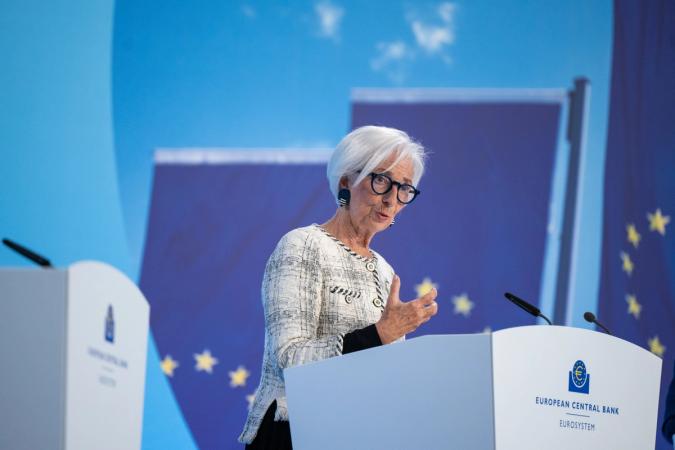
Lagarde Warns Europe Could Lose Grip on Tokenized Assets as a €1 Billion Digital Bond Settles
ECB President Christine Lagarde called for common EU rules on tokenized assets, warning Europe could lose control of the market, as a new blockchain settlement system processed a €1 billion digital bond.

Crypto's Daily Recap: The Market Never Sleeps, and Neither Do the Headlines
Cointelegraph ran its daily crypto roundup on Nov. 22, 2026, covering Bitcoin, DeFi, Web3 and regulation. The source material gave no specifics, so details are not available.

Onchain FX may grow from real users first, not Wall Street-sized liquidity
A Cointelegraph piece argues onchain foreign exchange can become useful by serving real user demand in smaller markets first, without needing to recreate the trillion-dollar institutional FX market.