COP31 Ends in Disaster, Even as a Super El Niño Makes Climate Change Hard to Ignore
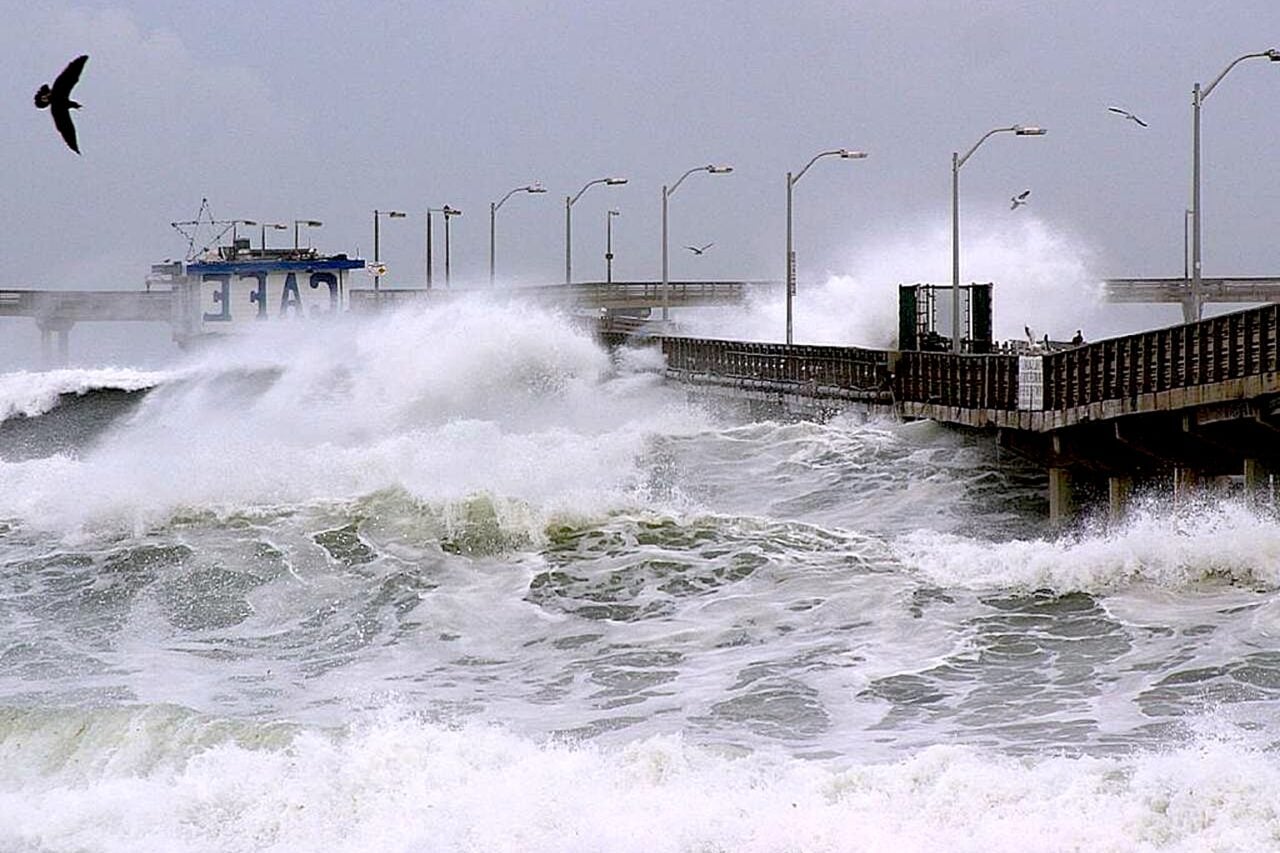
The COP31 climate summit has ended in what Gizmodo describes as a disaster, with a super El Niño failing to spark the kind of action climate advocates had hoped for. The report was published on November 22, 2026.
The core of the story is a mismatch. According to Gizmodo's teaser, people can now feel climate change simply by stepping outside. But that lived experience, the outlet argues, does not automatically translate into better climate politics.
The original article's full text was not available to us, so we can't say which countries, proposals or disputes drove the summit's failure. We also have no figures on emissions pledges or funding, and we won't guess at them.
What the headline does tell us is useful context. Climate summits run on consensus among many governments with competing economic interests, and a hot summer has never been a binding treaty. Public discomfort is a powerful force, but it tends to move policy slowly, if at all.
For businesses and investors, a weak summit outcome generally means more uncertainty rather than less. Without clear global signals, companies are left to read national rules, energy prices and their own risk models, which makes long-term planning in energy, insurance and agriculture a bit harder.
Why it matters
A failed climate summit leaves policy signals murky, which affects energy investment, insurance costs and long-term planning for businesses. For households, weak global coordination can mean more reliance on patchy national rules while extreme weather keeps adding costs.
Key points
- Gizmodo says COP31 ended in disaster.
- A super El Niño did not spur climate action, per the report.
- Felt climate impacts don't automatically improve climate politics.
Written by the PixelContent newsroom from public reports. Original reporting: Gizmodo.
More stories

One Million Orbital Data Centers? Scientists Say Musk's Sky-High AI Plan Could Wreck the Air Up There
UCL researchers warn Musk's proposed million orbital data centers could multiply launch emissions over 150 times. Their estimates rely on assumptions because SpaceX hasn't disclosed key data, and they urge regulators to demand it.

Apple's Siri AI agent may not show up until the end of 2027, and rivals aren't waiting
Bloomberg's Mark Gurman reportedly expects Apple's computer-using Siri AI agent no earlier than the end of 2027, giving ChatGPT, Claude and Gemini a long head start.
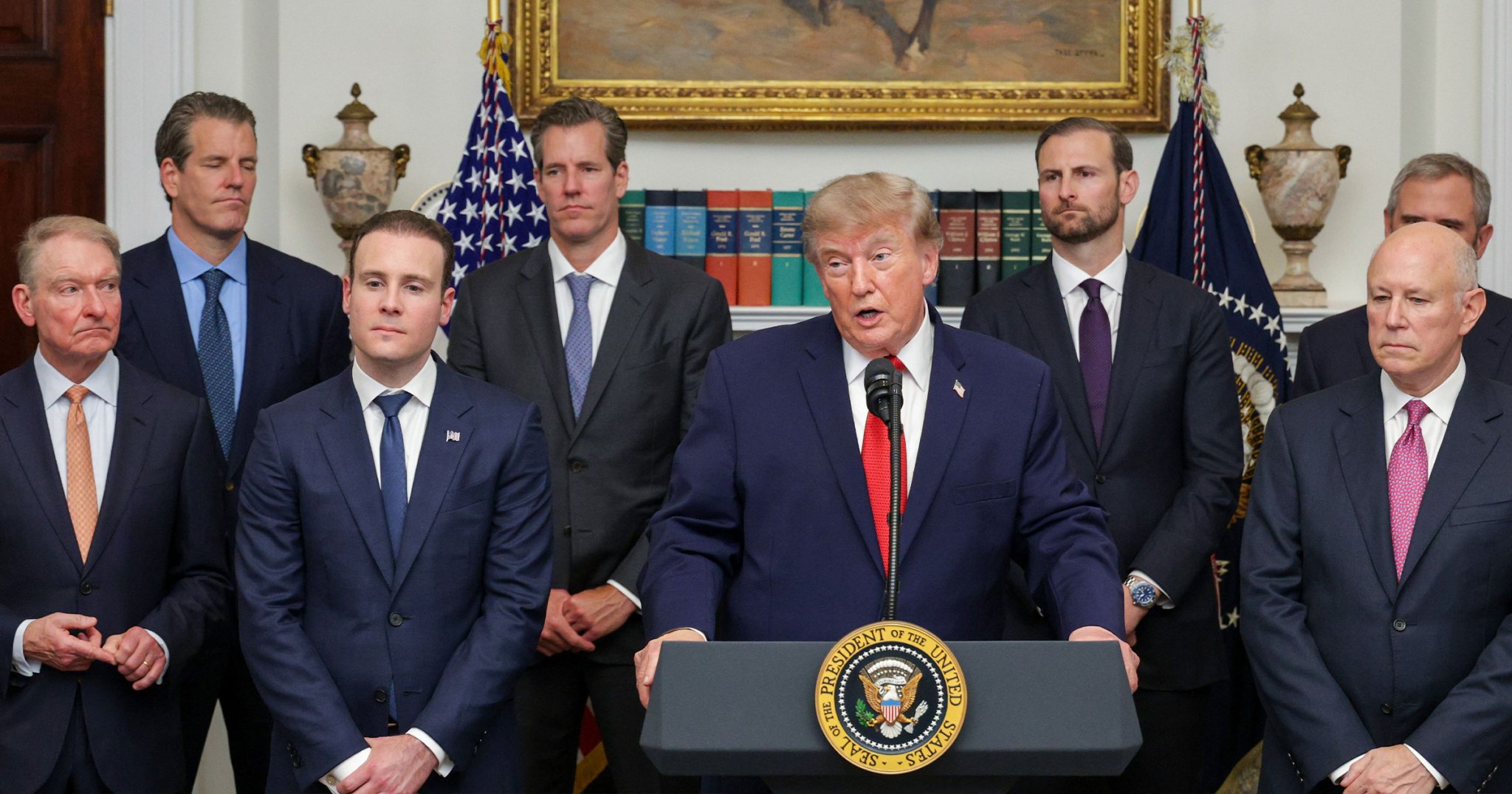
Crypto Lobby Spent $200M Backing Republicans, Lost, and Is Now Discovering a Deep Love for Bipartisanship
Crypto groups spent about $200 million backing Republicans in the midterms and lost, including a $55 million failure against Sherrod Brown. Now industry leaders are pledging to court both parties as Democrats take Congress.

Apple's 2027 to-do list: cheaper iPads, iPhone 18e, OLED Air and smart glasses
Bloomberg reports Apple plans a steady stream of 2027 launches, from a cheaper iPad and iPhone 18e early on to an OLED iPad Air, smart glasses and the iPhone 20 later.

Old GoPro in a drawer? Turn it into a dash cam or webcam
Engadget says an old GoPro can become a dash cam or webcam with little effort. Constant USB power makes a weak battery irrelevant, though older models need extra gear for webcam use.

No ladders, no problem: 10 tiny houses that keep everything on one floor
New Atlas picked 10 single-level tiny house designs with no loft ladders, from compact towables to apartment-sized park models, mostly from North America but with some international examples.