Crypto Lobby Spent $200M Backing Republicans, Lost, and Is Now Discovering a Deep Love for Bipartisanship
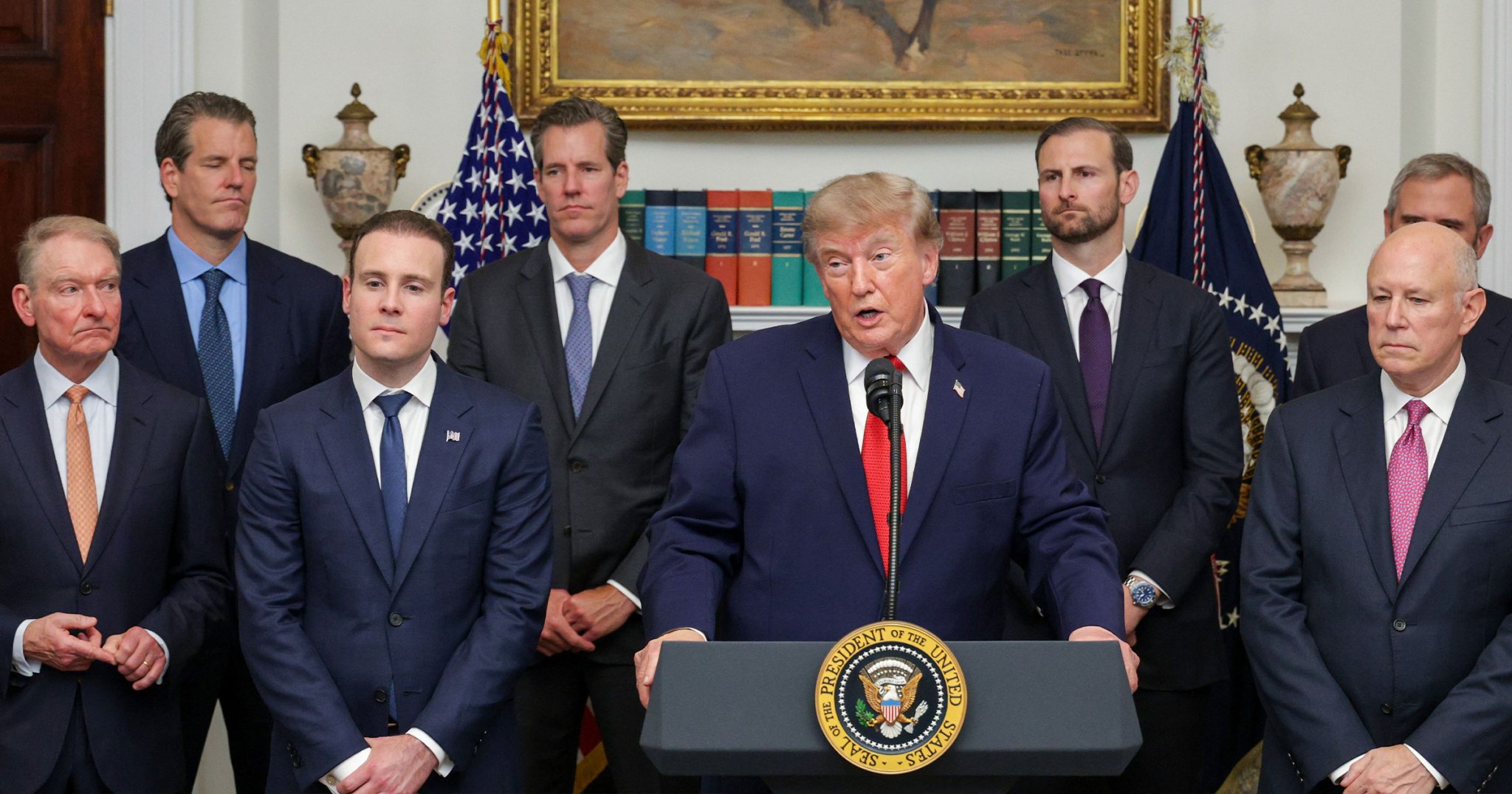
After pouring roughly $200 million into Republican candidates in the US midterms, crypto industry groups are changing their tune toward Democrats, who are set to take over Congress next year, according to Futurism, which cited reporting by Politico.
The spending did not go as planned. Crypto lobbyists put more than $55 million into the Ohio Senate race alone, trying to defeat Sherrod Brown. He won anyway and is returning to the Senate. It is his second run-in with the industry, and Politico reports that many Democrats are in no mood to forgive and forget.
Pro-crypto Democratic Senator Ruben Gallego put the industry's position bluntly, saying that "they're f**ked."
Industry voices are now much more modest. Cody Carbone, CEO of the Digital Chamber, told Politico the sector should adopt an education-first mindset, called the midterms a wake-up call, and said crypto must engage both parties equally. Sheila Warren, a former CEO of the Crypto Council for Innovation, called the campaign against Brown boneheaded and said it looked like a show of force, which is a bad look when you lose.
How hard Democratic leaders will push back in 2027 is still unclear. Late in the Biden administration, Democrats made overtures to the industry, and a coalition urged then-Vice President Kamala Harris to take a friendlier crypto stance. During her 2024 presidential run, Harris announced a policy to promote crypto among Black men, which Futurism describes as a capitulation to heavy industry spending.
The episode is a reminder that political money buys access, not guaranteed outcomes, and that betting everything on one party can leave you holding the bag when power shifts.
Why it matters
A Democratic Congress could shape crypto regulation, market structure rules and enforcement priorities, which affect exchanges, token prices and investors. If the industry's political bet has backfired, policy gains made under Republican rule could face more scrutiny.
Key points
- Crypto groups spent about $200 million backing Republicans in the midterms.
- Over $55 million targeted Ohio's Sherrod Brown, who won anyway.
- Industry leaders now say they will engage both parties equally.
Written by the PixelContent newsroom from public reports. Original reporting: Futurism.
More stories

One Million Orbital Data Centers? Scientists Say Musk's Sky-High AI Plan Could Wreck the Air Up There
UCL researchers warn Musk's proposed million orbital data centers could multiply launch emissions over 150 times. Their estimates rely on assumptions because SpaceX hasn't disclosed key data, and they urge regulators to demand it.

No ladders, no problem: 10 tiny houses that keep everything on one floor
New Atlas picked 10 single-level tiny house designs with no loft ladders, from compact towables to apartment-sized park models, mostly from North America but with some international examples.

AI Agents vs Physical AI: Software That Does Chores vs Robots That Do Them
An Interesting Engineering explainer contrasts AI agents, which automate tasks in software, with physical AI, which puts intelligence into robots. We break down how the two differ and why it matters.

Lancet Psychiatry Study: Over 10% of Humanity Has a Problematic Internet Habit, and the Apps Are Built That Way
A Lancet Psychiatry study estimates over 10% of people worldwide use the internet problematically, and researchers say engagement-driven features like infinite scroll are largely to blame, putting responsibility on tech companies.

Apple's Siri AI agent may not show up until the end of 2027, and rivals aren't waiting
Bloomberg's Mark Gurman reportedly expects Apple's computer-using Siri AI agent no earlier than the end of 2027, giving ChatGPT, Claude and Gemini a long head start.

David Fincher's New Cliff Booth Film Draws Fire Over Alleged Heavy Use of AI Imagery
Early viewers say David Fincher's "The Further Mis-Adventures of Cliff Booth" is packed with obvious AI imagery. Fincher, who has defended AI in filmmaking, now faces a backlash from critics and VFX workers.