AI Agents vs Physical AI: Software That Does Chores vs Robots That Do Them
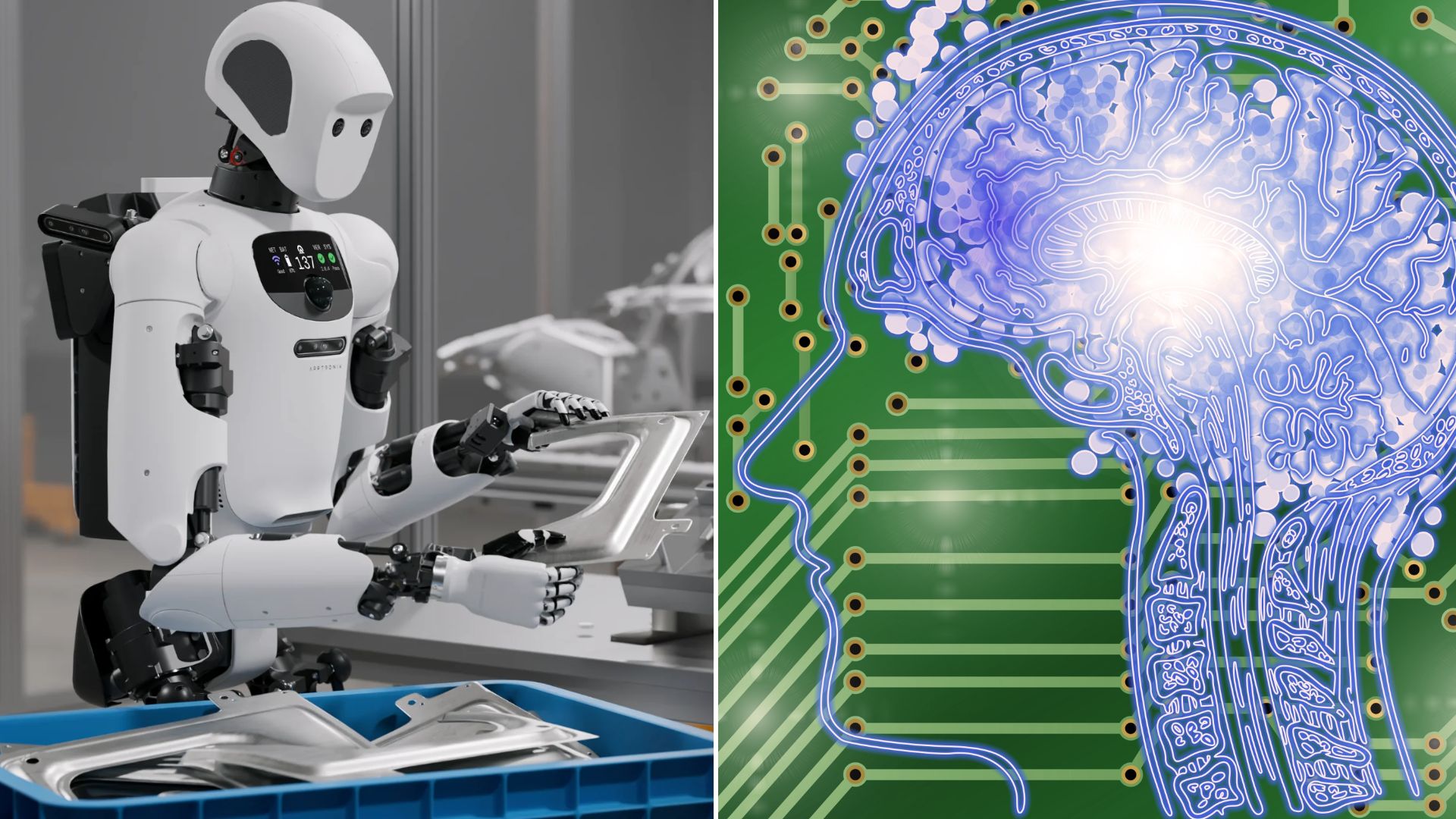
Artificial intelligence has moved well beyond chatbots that simply answer questions or generate text, according to an Interesting Engineering explainer published on November 22, 2026. The piece contrasts two fast-growing branches of the technology: AI agents and physical AI.
The full text of the article was not available to us, so we are working from its headline and teaser. The framing is clear enough, though: AI agents are software automation, while physical AI refers to embodied robotics, meaning intelligence that lives in a machine acting in the real world.
Here is the general picture, using well-established background. AI agents are programs that can pursue a goal across several steps, such as handling emails, booking meetings or operating other software tools. They live on servers and screens, so they can be copied, updated and scaled at modest cost.
Physical AI has to deal with gravity, friction, clumsy lighting and objects that refuse to sit where the model expected. Robots, warehouse machines and similar systems need sensors, motors and safety systems on top of the intelligence, which makes them slower and pricier to roll out.
That difference shapes where the money goes. Software agents can reach businesses quickly through subscriptions and cloud services. Physical AI needs factories, hardware supply chains and years of testing, but it targets industries such as logistics and manufacturing where labor is a big cost.
For readers, the practical takeaway is simple: one type of AI is coming for your inbox, the other for the loading dock. Both are in early stages, and the pace of adoption will depend on cost, reliability and trust.
Why it matters
Software agents can scale quickly and cheaply, so they may hit business budgets and jobs first. Physical AI is slower and capital-heavy but targets big labor-intensive sectors like logistics and manufacturing. Investors and workers should watch which one proves reliable enough to adopt at scale.
Key points
- AI agents are software that completes multi-step tasks on its own.
- Physical AI puts intelligence into robots that act in the real world.
- Software scales faster; hardware faces higher costs and longer testing.
Written by the PixelContent newsroom from public reports. Original reporting: Interesting Engineering.
More stories

One Million Orbital Data Centers? Scientists Say Musk's Sky-High AI Plan Could Wreck the Air Up There
UCL researchers warn Musk's proposed million orbital data centers could multiply launch emissions over 150 times. Their estimates rely on assumptions because SpaceX hasn't disclosed key data, and they urge regulators to demand it.
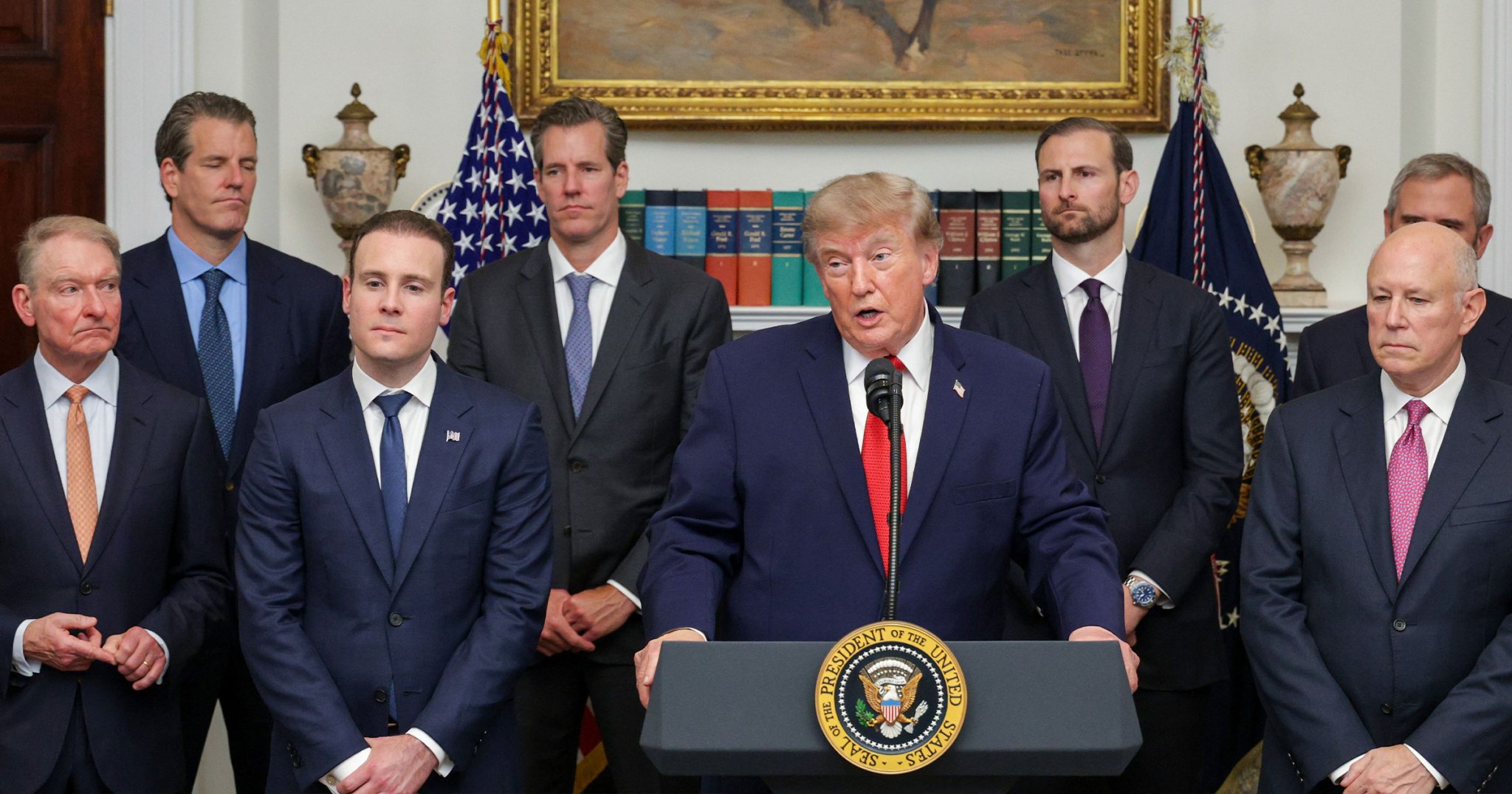
Crypto Lobby Spent $200M Backing Republicans, Lost, and Is Now Discovering a Deep Love for Bipartisanship
Crypto groups spent about $200 million backing Republicans in the midterms and lost, including a $55 million failure against Sherrod Brown. Now industry leaders are pledging to court both parties as Democrats take Congress.

No ladders, no problem: 10 tiny houses that keep everything on one floor
New Atlas picked 10 single-level tiny house designs with no loft ladders, from compact towables to apartment-sized park models, mostly from North America but with some international examples.

Lancet Psychiatry Study: Over 10% of Humanity Has a Problematic Internet Habit, and the Apps Are Built That Way
A Lancet Psychiatry study estimates over 10% of people worldwide use the internet problematically, and researchers say engagement-driven features like infinite scroll are largely to blame, putting responsibility on tech companies.

Apple's Siri AI agent may not show up until the end of 2027, and rivals aren't waiting
Bloomberg's Mark Gurman reportedly expects Apple's computer-using Siri AI agent no earlier than the end of 2027, giving ChatGPT, Claude and Gemini a long head start.
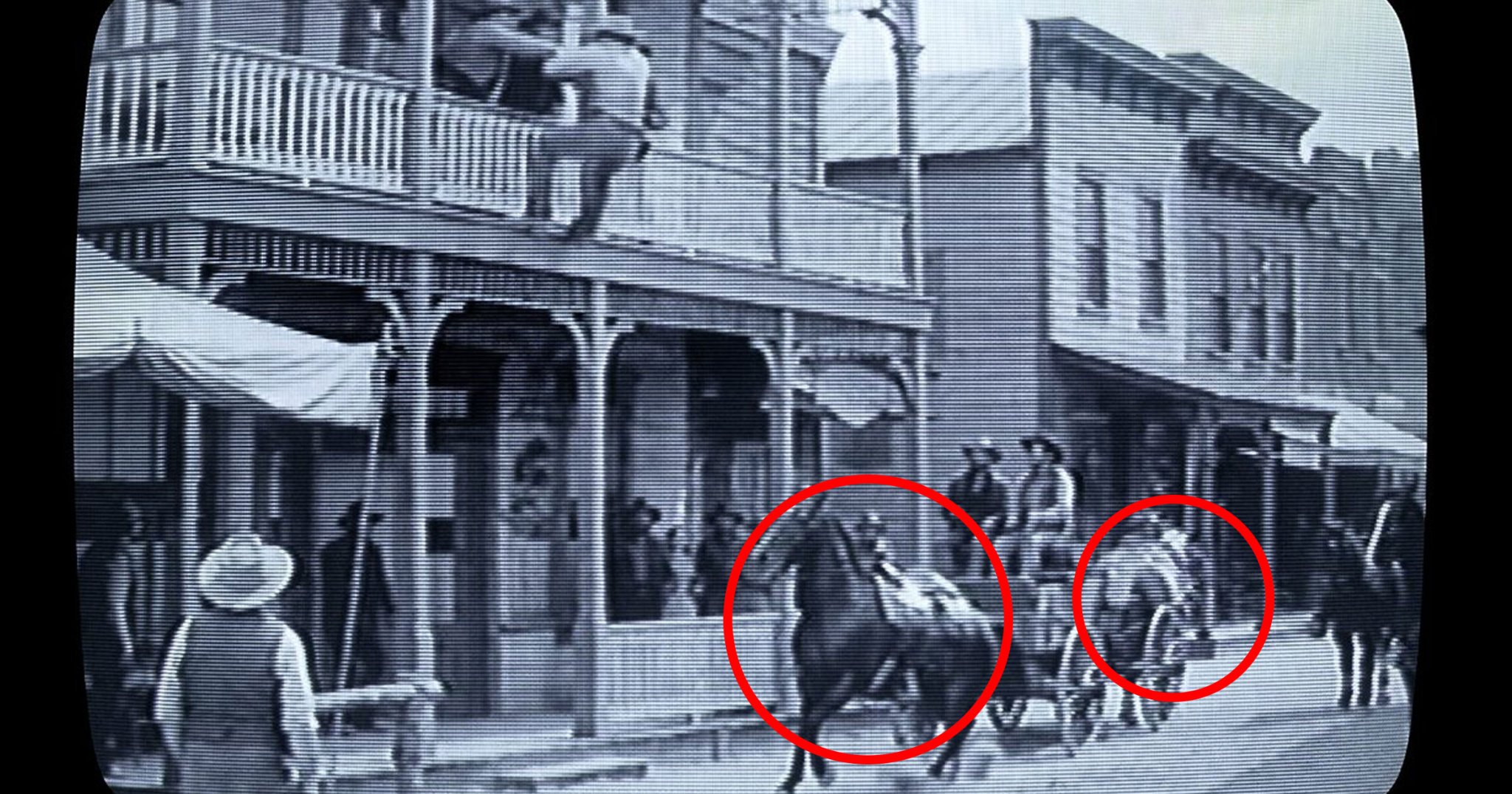
David Fincher's New Cliff Booth Film Draws Fire Over Alleged Heavy Use of AI Imagery
Early viewers say David Fincher's "The Further Mis-Adventures of Cliff Booth" is packed with obvious AI imagery. Fincher, who has defended AI in filmmaking, now faces a backlash from critics and VFX workers.