David Fincher's New Cliff Booth Film Draws Fire Over Alleged Heavy Use of AI Imagery
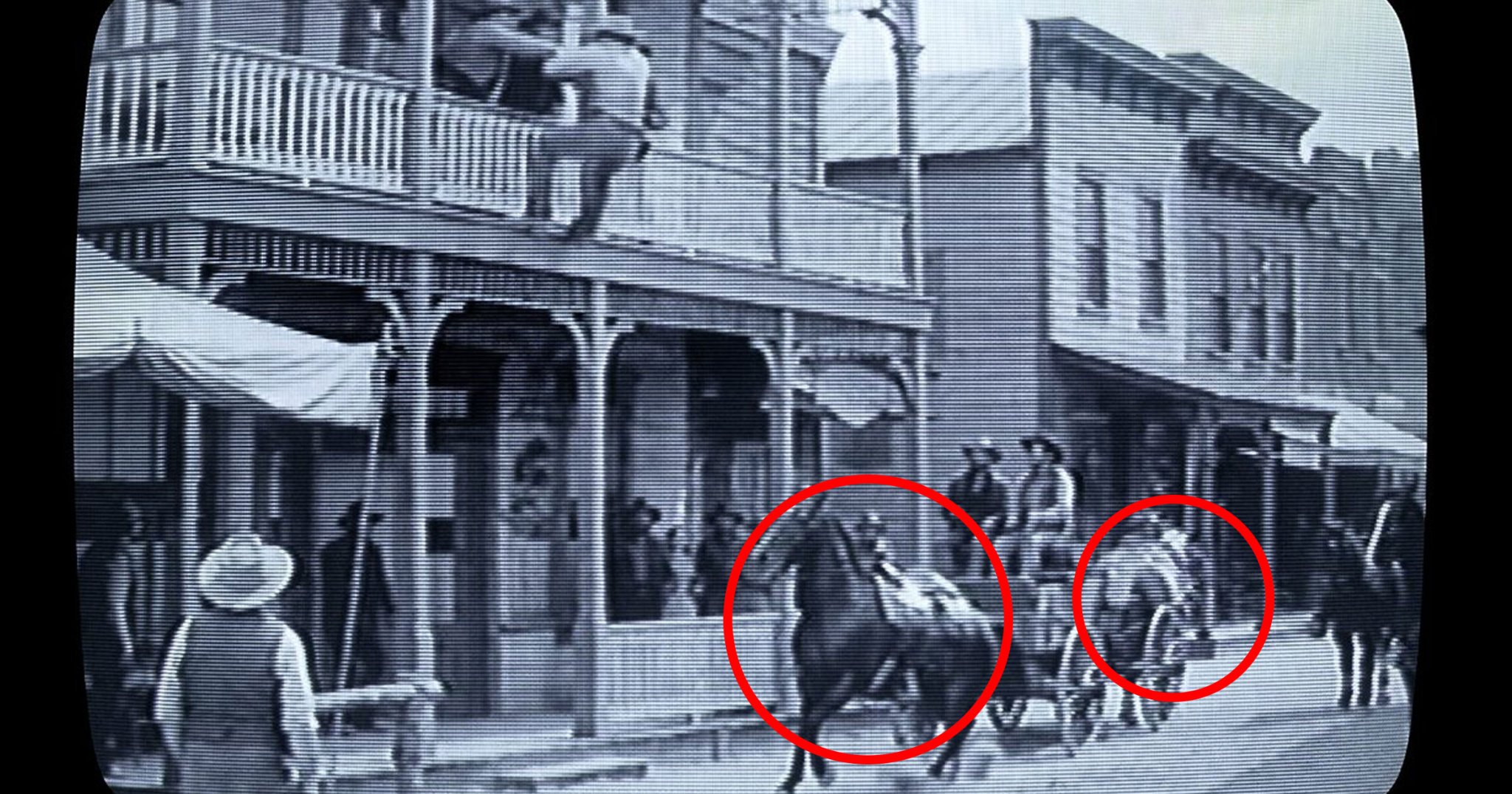
Critics and film fans are accusing director David Fincher's new movie, "The Further Mis-Adventures of Cliff Booth," of leaning heavily on sloppy AI-generated imagery, according to Futurism. The complaints began Thursday on film-focused corners of X after early screenings.
Filmmaker and YouTube critic Patrick Tomasso, who often covers the technical side of movies, said he left the screening "completely gutted." He described the AI use as some of the most blatant he has seen in a studio film. A user who says they work in VFX also called the amount of AI astounding.
Tomasso listed what he considers telltale signs: faces changing mid-scene, odd physics, garbled fine lines, full-body performance swaps, and AI-looking signs, fire and traffic. He also pointed to the trailer, where two people ride a wagon backwards, seemingly holding reins for horses that are actually behind them.
The accusations sting because of Fincher's reputation. The director of Fight Club, Se7en and The Social Network is known for perfectionism and for subtle, invisible visual effects that polish an image without viewers noticing. Futurism notes the warning signs were there: in March, Bloomberg reported he was using AI post-production tools from Ben Affleck's company InterPositive, and he used generative AI to tidy shot compositions in the new 4K restoration of Se7en.
Fincher also gave the Los Angeles Times an interview that landed at an awkward moment. He called himself "not a Luddite" and defended AI's place in filmmaking, asking whether people really want to freeze an art form that is only about a hundred years old. The claims so far come from critics and online commenters, and the article does not include a response from the studio.
Why it matters
Hollywood is testing how much generative AI audiences will tolerate, and visible glitches in a big-name studio film raise the reputational risk. Studios chasing lower post-production costs may find that viewers, and the artists who make the films, push back hard on quality and authenticity.
Key points
- Critics and a self-described VFX worker allege obvious AI flaws in Fincher's new film.
- Cited problems include shifting faces, garbled details and a trailer shot with horses behind the wagon.
- Fincher previously used AI tools and defended AI in an LA Times interview.
Written by the PixelContent newsroom from public reports. Original reporting: Futurism.
More stories

One Million Orbital Data Centers? Scientists Say Musk's Sky-High AI Plan Could Wreck the Air Up There
UCL researchers warn Musk's proposed million orbital data centers could multiply launch emissions over 150 times. Their estimates rely on assumptions because SpaceX hasn't disclosed key data, and they urge regulators to demand it.
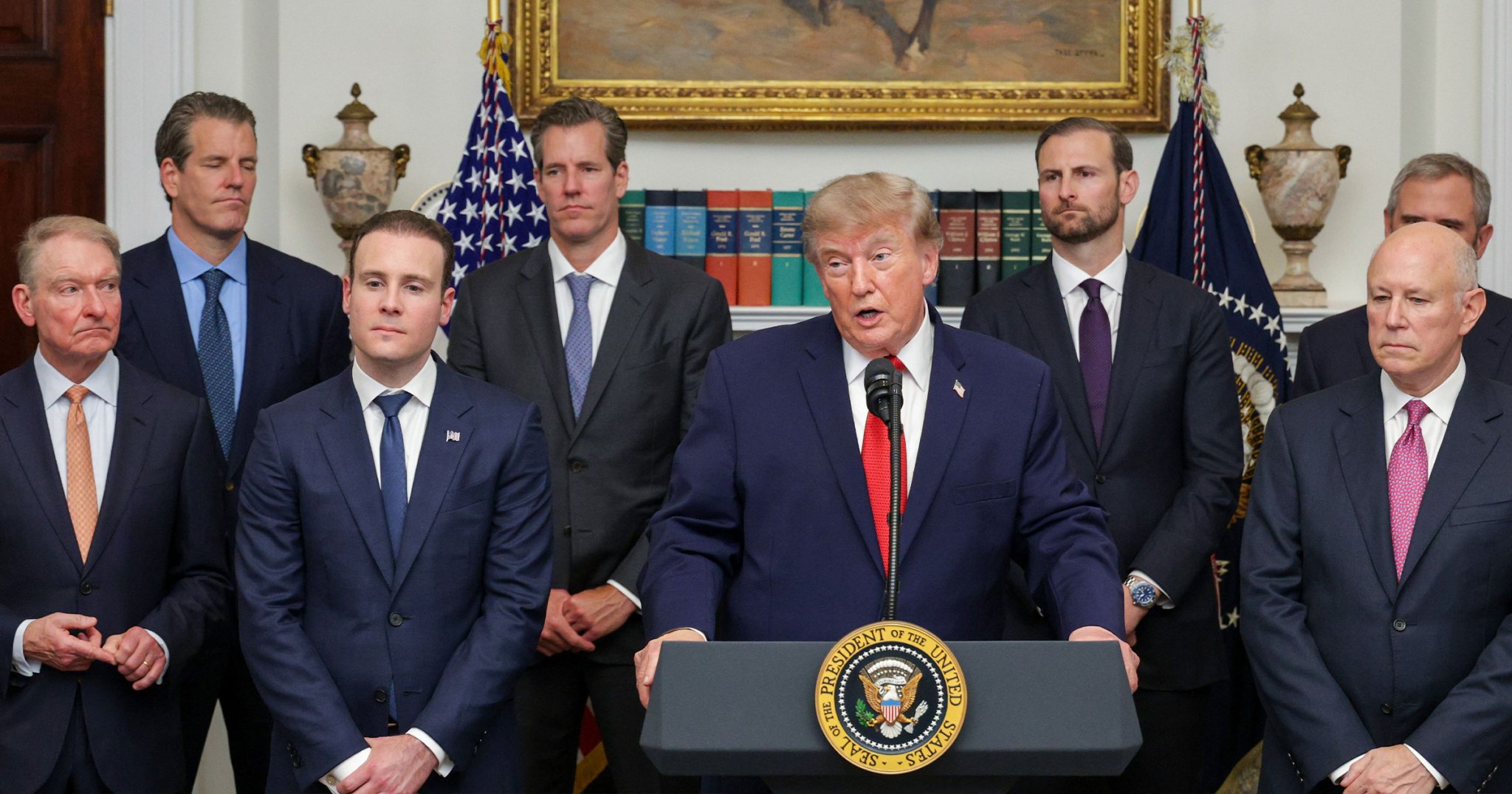
Crypto Lobby Spent $200M Backing Republicans, Lost, and Is Now Discovering a Deep Love for Bipartisanship
Crypto groups spent about $200 million backing Republicans in the midterms and lost, including a $55 million failure against Sherrod Brown. Now industry leaders are pledging to court both parties as Democrats take Congress.

No ladders, no problem: 10 tiny houses that keep everything on one floor
New Atlas picked 10 single-level tiny house designs with no loft ladders, from compact towables to apartment-sized park models, mostly from North America but with some international examples.
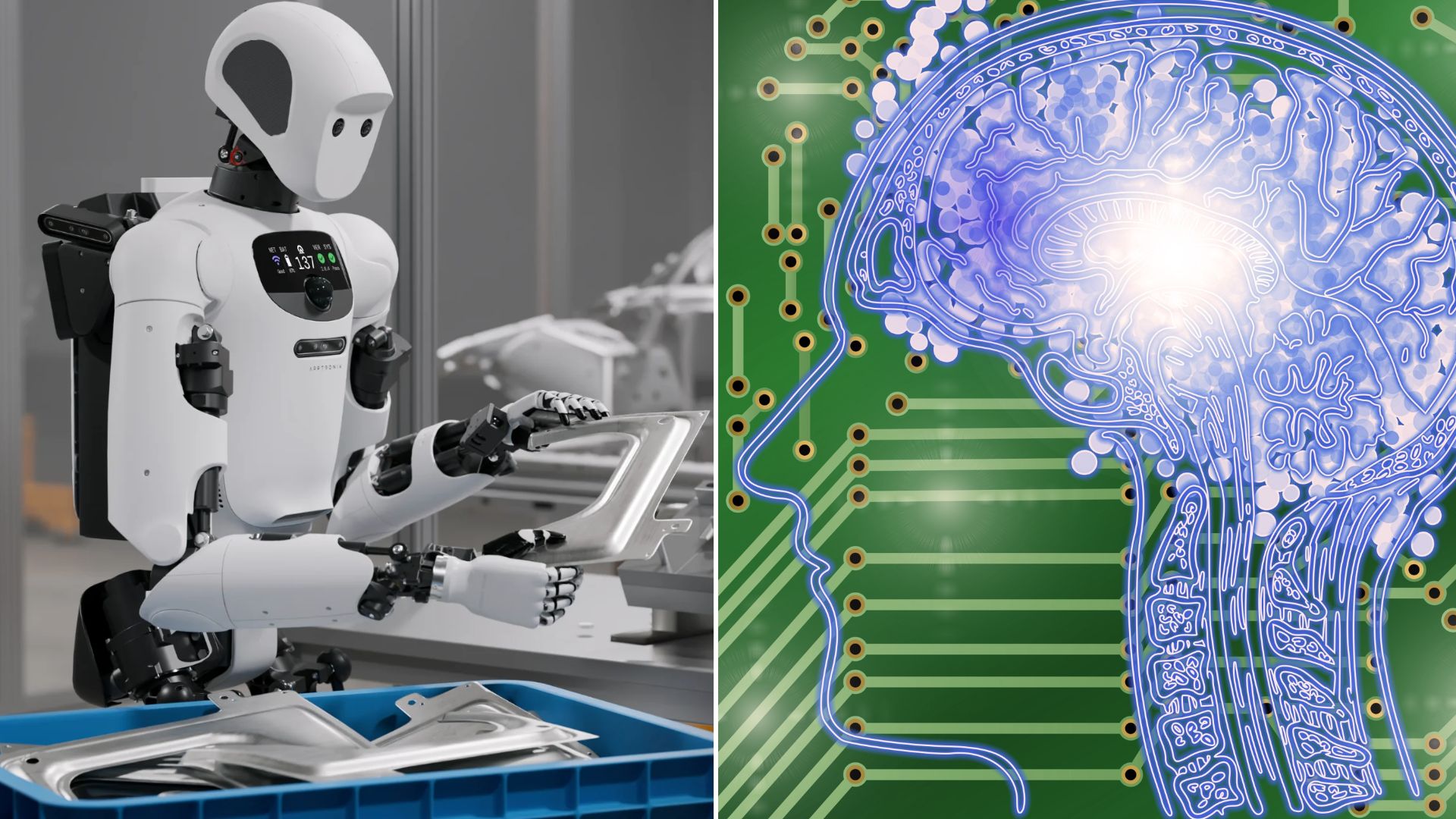
AI Agents vs Physical AI: Software That Does Chores vs Robots That Do Them
An Interesting Engineering explainer contrasts AI agents, which automate tasks in software, with physical AI, which puts intelligence into robots. We break down how the two differ and why it matters.
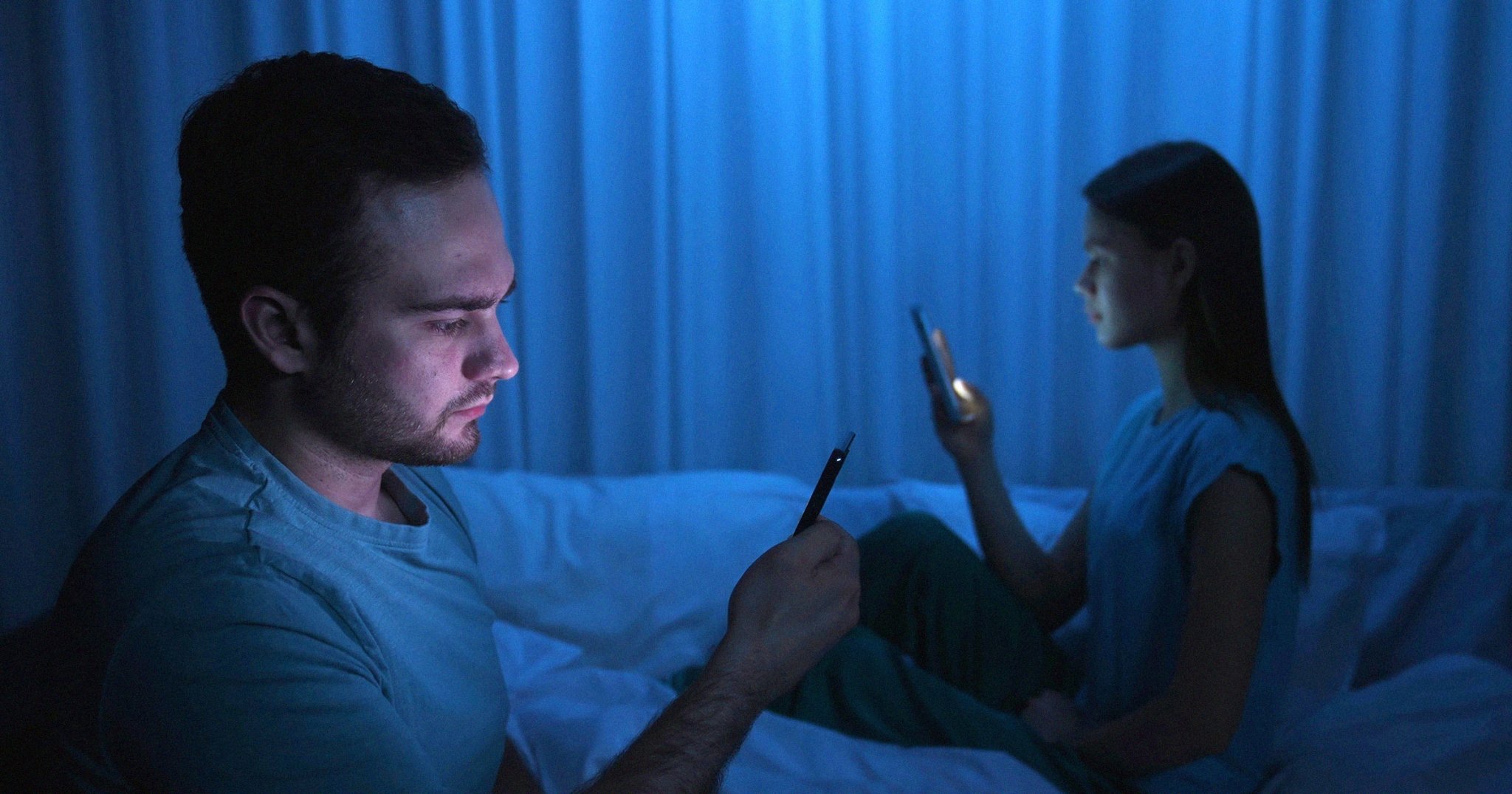
Lancet Psychiatry Study: Over 10% of Humanity Has a Problematic Internet Habit, and the Apps Are Built That Way
A Lancet Psychiatry study estimates over 10% of people worldwide use the internet problematically, and researchers say engagement-driven features like infinite scroll are largely to blame, putting responsibility on tech companies.

Apple's Siri AI agent may not show up until the end of 2027, and rivals aren't waiting
Bloomberg's Mark Gurman reportedly expects Apple's computer-using Siri AI agent no earlier than the end of 2027, giving ChatGPT, Claude and Gemini a long head start.