Wrapped Monero token collapses 99.8% after suspected $13.5M exploit

A wrapped version of Monero has crashed roughly 99.8% after a suspected security exploit, according to Cointelegraph. Blockchain data firm Bitquery traced about $13.5 million in suspicious sales of the token, which is meant to mirror Monero's value on other blockchains.
The token's operator has blamed a security breach for the sell-off and promised to reimburse affected traders. The material available does not say how the attack worked, who was behind it, or how the reimbursement would be funded and when it might arrive.
For context, a wrapped token is an IOU-style asset. It lives on a different blockchain from the original coin and is supposed to be backed one-for-one by the real thing, so it can be used in decentralized finance apps. That design depends on trust in whoever holds the reserves and controls the minting, and when that machinery is compromised, the peg can disappear very quickly.
A 99.8% drop suggests the market lost nearly all confidence in the token, or that the attacker dumped a large amount into thin liquidity, or both. The teaser does not specify which, so those details remain to be confirmed. Bitquery's figure also describes suspicious sales, not necessarily a final tally of losses.
The incident is a reminder that wrapped assets carry risks the underlying coins do not. Monero itself is a separate network, and the reports describe a problem with the wrapped token, not a failure of Monero's own blockchain. Traders holding wrapped versions of any coin are exposed to the bridge, custodian and smart-contract risks on top of the asset's normal price swings.
Whether holders get made whole will depend on the operator's follow-through. Promises of reimbursement are common after crypto breaches, but they are only as good as the balance sheet standing behind them.
Why it matters
Wrapped tokens add custodian and smart-contract risk on top of price risk, and a failure can wipe out holders almost instantly. Anyone using wrapped assets in DeFi should know who backs the peg and what happens if that backing breaks.
Key points
- A wrapped Monero token fell about 99.8% after a suspected exploit.
- Bitquery traced $13.5 million in suspicious sales of the token.
- The operator blamed a breach and promised to reimburse affected traders.
Written by the PixelContent newsroom from public reports. Original reporting: Cointelegraph.
More stories

Bitcoin Slips Below $60K for First Time Since July as Stocks Sink
Bitcoin fell nearly 6% to below $60,000 for the first time since July as US stocks slid, with the Nasdaq down over 2% and Anthropic shares off almost 10%, Cointelegraph reported.

Bitcoin's Quantum Homework: Upgrading Could Take Longer Than Anyone Wants
Quantum computers can't break Bitcoin yet, but Leo Fan warns that upgrading the network and moving funds, including across bridges and custodians, could take longer than expected, CoinDesk reports.

Crypto's Daily Recap: The Market Never Sleeps, and Neither Do the Headlines
Cointelegraph ran its daily crypto roundup on Nov. 22, 2026, covering Bitcoin, DeFi, Web3 and regulation. The source material gave no specifics, so details are not available.

Senate Passes Bill to Ban Prediction Market Bets on War, Terrorism and Death
The Senate passed Sen. Adam Schiff's DEATH BETS Act, which would bar U.S.-regulated exchanges from listing prediction market contracts tied to war, assassinations or deaths, according to Decrypt.
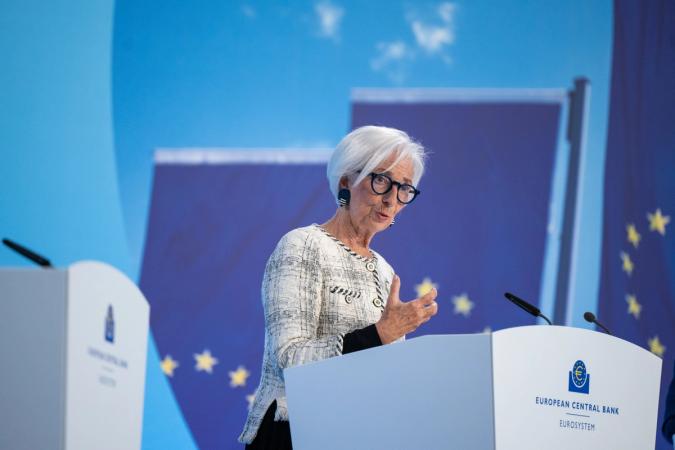
Lagarde Warns Europe Could Lose Grip on Tokenized Assets as a €1 Billion Digital Bond Settles
ECB President Christine Lagarde called for common EU rules on tokenized assets, warning Europe could lose control of the market, as a new blockchain settlement system processed a €1 billion digital bond.

Onchain FX may grow from real users first, not Wall Street-sized liquidity
A Cointelegraph piece argues onchain foreign exchange can become useful by serving real user demand in smaller markets first, without needing to recreate the trillion-dollar institutional FX market.