Ransomware Gang Leaks Visa, Mastercard and JPMorgan Customer Data via Vendors

A ransomware group has leaked customer data tied to Visa, Mastercard and JPMorgan, according to Decrypt. The breach did not hit the companies' own systems; the hackers got in through third-party vendors.
The companies have responded differently. Visa said no card data was affected, while Mastercard said the exposure involved a limited subset of cardholders. The material provided gives no further detail on what was leaked, how many people are affected, or which vendors were compromised.
The pattern is a familiar one. Banks and payment giants spend heavily on defending their own networks, but they also share data with a long chain of suppliers, from service providers to processors. Attackers know the smallest door is often the one at the back, and a vendor with weaker security can become the way in for data belonging to far bigger names.
For customers, the distinction between a company breach and a vendor breach is mostly academic. If your information sits in a supplier's files, it can still end up on a leak site. Ransomware groups typically publish stolen data to pressure victims into paying, which is why leaks like this tend to surface after negotiations stall.
What to watch next is whether the companies or their vendors disclose more specifics, and whether regulators ask tougher questions about third-party risk. Until then, the sensible move for cardholders is routine caution: watch statements, be wary of unexpected messages, and use any alerts your bank offers.
Why it matters
Vendor breaches show that even the biggest financial firms are only as secure as their weakest supplier. For consumers, leaked personal data can fuel phishing and fraud, and for markets, third-party risk is a growing compliance and cost concern.
Key points
- A ransomware group leaked customer data linked to Visa, Mastercard and JPMorgan.
- The breach came through third-party vendors, not the companies' own systems.
- Visa said no card data was affected; Mastercard cited a limited cardholder subset.
Written by the PixelContent newsroom from public reports. Original reporting: Decrypt.
More stories

Bitcoin Slips Below $60K for First Time Since July as Stocks Sink
Bitcoin fell nearly 6% to below $60,000 for the first time since July as US stocks slid, with the Nasdaq down over 2% and Anthropic shares off almost 10%, Cointelegraph reported.

Bitcoin's Quantum Homework: Upgrading Could Take Longer Than Anyone Wants
Quantum computers can't break Bitcoin yet, but Leo Fan warns that upgrading the network and moving funds, including across bridges and custodians, could take longer than expected, CoinDesk reports.
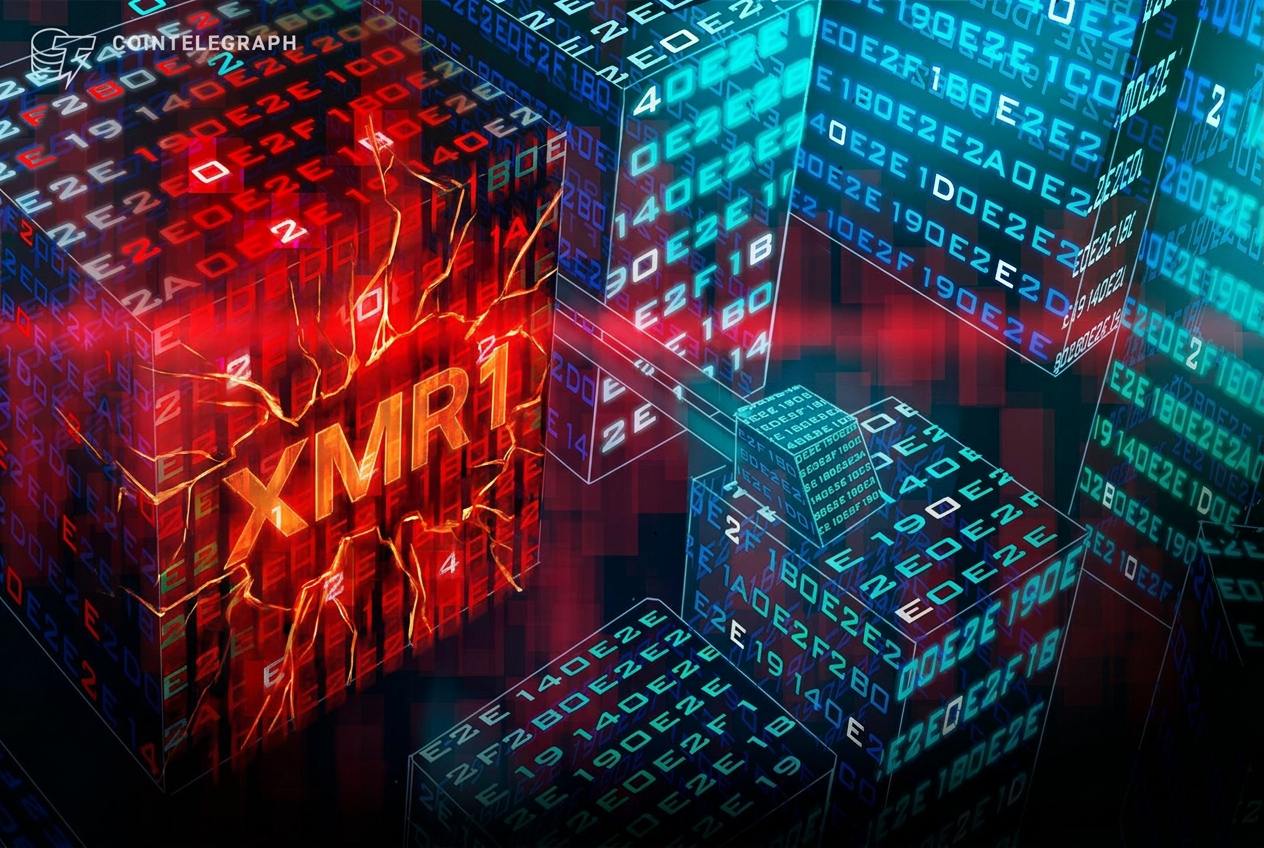
Wrapped Monero token collapses 99.8% after suspected $13.5M exploit
A wrapped Monero token fell about 99.8% after a suspected exploit. Bitquery traced $13.5 million in suspicious sales, and the operator blamed a breach and promised to reimburse traders.
Senate Passes Bill to Ban Prediction Market Bets on War, Terrorism and Death
The Senate passed Sen. Adam Schiff's DEATH BETS Act, which would bar U.S.-regulated exchanges from listing prediction market contracts tied to war, assassinations or deaths, according to Decrypt.

Lagarde Warns Europe Could Lose Grip on Tokenized Assets as a €1 Billion Digital Bond Settles
ECB President Christine Lagarde called for common EU rules on tokenized assets, warning Europe could lose control of the market, as a new blockchain settlement system processed a €1 billion digital bond.

Crypto's Daily Recap: The Market Never Sleeps, and Neither Do the Headlines
Cointelegraph ran its daily crypto roundup on Nov. 22, 2026, covering Bitcoin, DeFi, Web3 and regulation. The source material gave no specifics, so details are not available.