AI Giants Want Rulebook So Their Shopping Bots Don't Brawl in Aisle Nine

OpenAI, Anthropic and other major technology companies are backing standards meant to let AI agents work together without any single company holding the controls, according to CoinDesk. The report, published on November 21, 2026, frames the push as a way to head off chaos in AI-driven commerce.
The material available is thin, so details such as the exact standards, the full list of participants and any timeline are not spelled out here. What is clear is the goal: a shared set of rules so agents built by different firms can interact smoothly.
The logic is familiar from earlier tech eras. Email works across providers because of common protocols, and the web works because browsers and servers agree on basic languages. Without something similar, AI agents that browse, negotiate and buy on our behalf could end up stuck in walled gardens, each speaking its own dialect.
The emphasis on not putting one company in control is notable. Rivals backing a common framework suggests they see more value in a larger, interoperable market than in each trying to own the whole stack, at least for now. It also may ease concerns from regulators and businesses wary of dependence on a single gatekeeper.
Open questions remain, including how the standards would handle payments, security and accountability when an agent makes a mistake. Those details will likely determine whether the effort becomes real infrastructure or just a well-meaning press release.
Why it matters
If AI agents start buying and selling for us, common standards could decide who gets paid, who gets locked in and how much choice consumers keep. Open rules may lower costs for businesses and reduce the risk of one gatekeeper taking a cut of everything.
Key points
- OpenAI, Anthropic and others back standards for AI agents
- Goal is cooperation without any single company in control
- Specific details of the standards were not provided in the material
Written by the PixelContent newsroom from public reports. Original reporting: CoinDesk.
More stories

Bitcoin Slips Below $60K for First Time Since July as Stocks Sink
Bitcoin fell nearly 6% to below $60,000 for the first time since July as US stocks slid, with the Nasdaq down over 2% and Anthropic shares off almost 10%, Cointelegraph reported.

Bitcoin's Quantum Homework: Upgrading Could Take Longer Than Anyone Wants
Quantum computers can't break Bitcoin yet, but Leo Fan warns that upgrading the network and moving funds, including across bridges and custodians, could take longer than expected, CoinDesk reports.

Wrapped Monero token collapses 99.8% after suspected $13.5M exploit
A wrapped Monero token fell about 99.8% after a suspected exploit. Bitquery traced $13.5 million in suspicious sales, and the operator blamed a breach and promised to reimburse traders.

Senate Passes Bill to Ban Prediction Market Bets on War, Terrorism and Death
The Senate passed Sen. Adam Schiff's DEATH BETS Act, which would bar U.S.-regulated exchanges from listing prediction market contracts tied to war, assassinations or deaths, according to Decrypt.
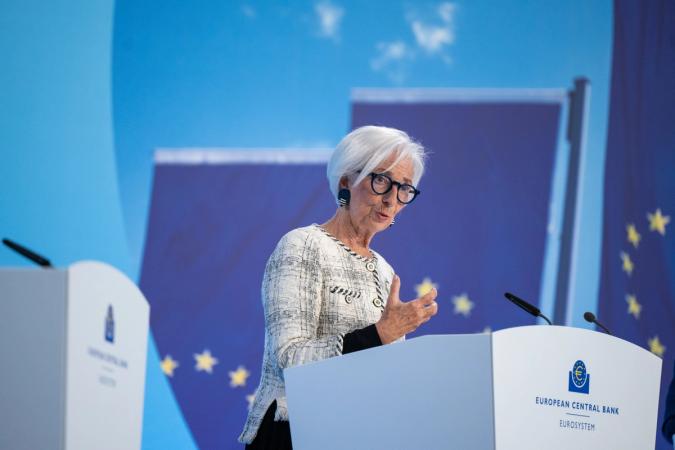
Lagarde Warns Europe Could Lose Grip on Tokenized Assets as a €1 Billion Digital Bond Settles
ECB President Christine Lagarde called for common EU rules on tokenized assets, warning Europe could lose control of the market, as a new blockchain settlement system processed a €1 billion digital bond.

Crypto's Daily Recap: The Market Never Sleeps, and Neither Do the Headlines
Cointelegraph ran its daily crypto roundup on Nov. 22, 2026, covering Bitcoin, DeFi, Web3 and regulation. The source material gave no specifics, so details are not available.