Solar panels: great for the planet, less great for a wallet that just lost its tax credit

Thinking of putting solar panels on your roof? Engadget has rounded up the catches, and many of them involve money. Typical installation runs between $20,000 and $27,000, based on a national benchmark of $3.36 per watt, before any incentives or rebates.
The bigger change is that the federal 30 percent tax credit that used to soften that bill is gone, according to Engadget, which says the Trump administration ended it ahead of 2026. Some states and utilities still offer rebates and tax credits, but availability varies.
Where you live matters a lot. The article lists Hawaii, Maine, Massachusetts, California, Alaska, New York, Rhode Island, New Hampshire, New Jersey and Connecticut as the 10 most expensive electricity states, where savings are likelier. In a smaller home with a small household and efficient appliances, the bill may barely budge. Net metering, which credits you for surplus power, also differs by state. The best programs pay one-to-one at retail rates, while others credit only a fraction.
Your roof counts too. Panels work best on unshaded, south-facing roofs in places with steady sunlight and moderate temperatures. An older roof may need replacing first, at anywhere from $4,000 to over $35,000. Solar shingles are an alternative, but cost roughly twice as much per watt, with a 2,500-square-foot home running $52,500 to $62,500 before incentives.
Backup power during blackouts is not automatic either. It requires batteries: a single-battery setup costs $10,000 to $16,000, and whole-home systems run $22,000 to $40,000, plus maintenance. That stretches the payback period.
Then comes selling. If the system is financed or under a power purchase agreement, buyers must take over the contract or you must pay it off. Buyers may also need to qualify for the solar lease, which can take up to two months. A UCC-1 lien filed by leasing companies can also scare off mortgage lenders and even sink a sale.
Why it matters
With the federal tax credit gone, the math on rooftop solar rests more on local power prices and state policies. Homeowners should check payback periods, battery costs and resale complications before signing anything.
Key points
- Typical installs cost $20,000 to $27,000, and the federal 30 percent credit has ended.
- Savings depend on electricity prices, net metering rules, climate and roof condition.
- Financed or leased systems can complicate a home sale, including lender liens.
Written by the PixelContent newsroom from public reports. Original reporting: Engadget.
More stories

One Million Orbital Data Centers? Scientists Say Musk's Sky-High AI Plan Could Wreck the Air Up There
UCL researchers warn Musk's proposed million orbital data centers could multiply launch emissions over 150 times. Their estimates rely on assumptions because SpaceX hasn't disclosed key data, and they urge regulators to demand it.

Apple's Siri AI agent may not show up until the end of 2027, and rivals aren't waiting
Bloomberg's Mark Gurman reportedly expects Apple's computer-using Siri AI agent no earlier than the end of 2027, giving ChatGPT, Claude and Gemini a long head start.

Google Wires Target and Grocery Chains Into Search and Gemini Before the Holiday Rush
Google added Albertsons, Safeway, Shaw's and Target as grocery Connected Apps in Search and Gemini in the US, alongside Instacart. Credit and tax tools are also expanding, with Angi and Thumbtack coming soon.

Crypto Lobby Spent $200M Backing Republicans, Lost, and Is Now Discovering a Deep Love for Bipartisanship
Crypto groups spent about $200 million backing Republicans in the midterms and lost, including a $55 million failure against Sherrod Brown. Now industry leaders are pledging to court both parties as Democrats take Congress.

Apple's 2027 to-do list: cheaper iPads, iPhone 18e, OLED Air and smart glasses
Bloomberg reports Apple plans a steady stream of 2027 launches, from a cheaper iPad and iPhone 18e early on to an OLED iPad Air, smart glasses and the iPhone 20 later.
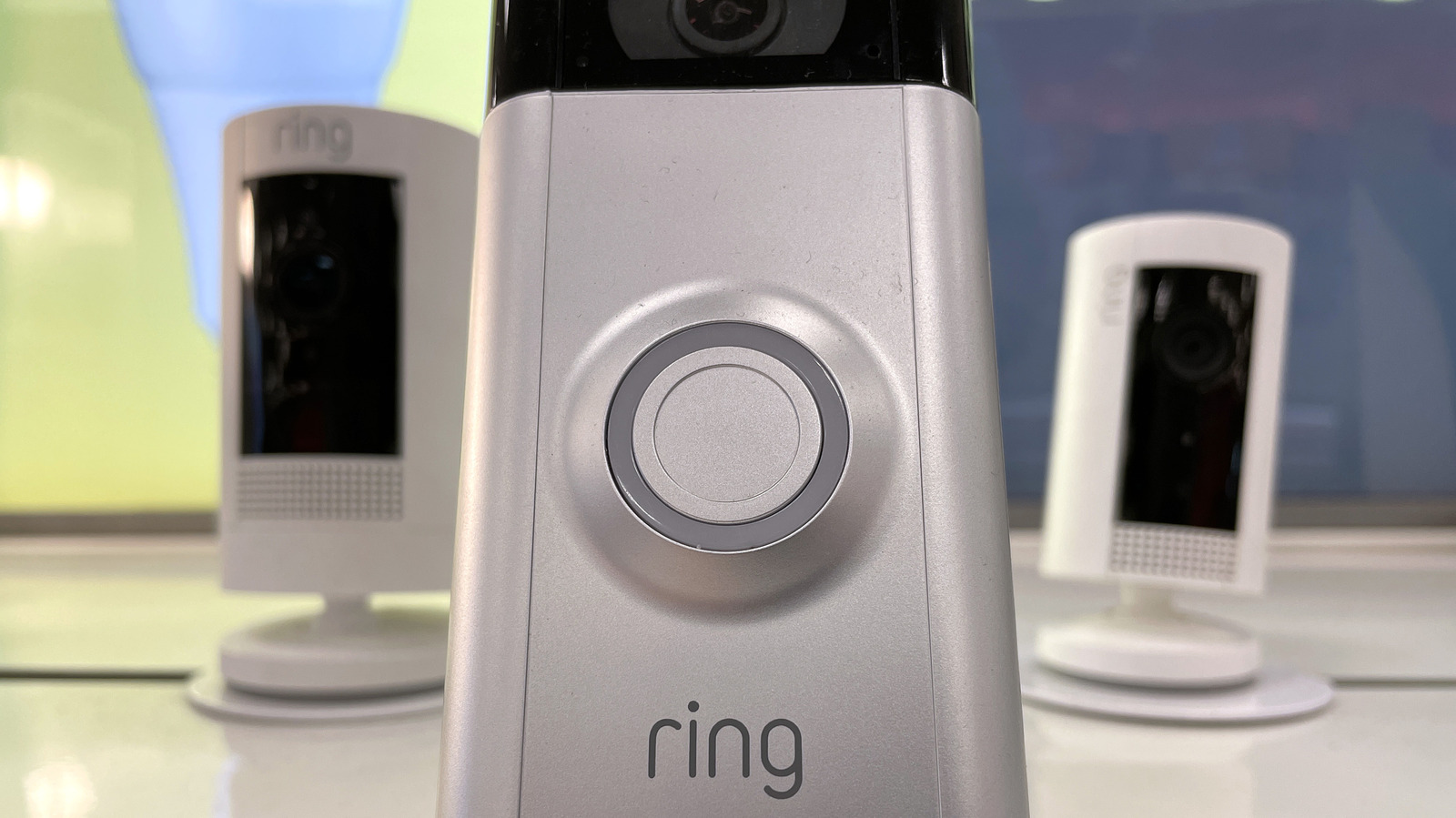
Your Ring doorbell has a social life: 11 gadget types it plays nicely with
Engadget lists 11 smart gadget types that pair with Ring doorbells, from cameras and locks to water valves, car accessories and Alexa devices, noting some need a Ring base station.