Cobalt, Lithium, Uranium: US, China and Russia Elbow Each Other Over Africa's Buried Treasure

The United States, China and Russia are competing for access to Africa's minerals, from cobalt in the Democratic Republic of the Congo (DRC) to lithium in Mali and uranium in Niger, according to Al Jazeera. The contest spans mines, ports, railways and trade routes.
China holds the early lead. Chinese customs data put China-Africa trade at a record $348bn last year, making Beijing the continent's biggest trading partner. Chinese firms own or hold stakes in several major DRC copper and cobalt operations, and China dominates global cobalt refining. The DRC produced an estimated 73 percent of the world's mined cobalt in 2025, per the US Geological Survey.
Washington is trying to catch up. In February, President Donald Trump announced Project Vault, a $12bn strategic mineral stockpile for US industries. Last December the US and the DRC signed a partnership giving American and eligible partner investors first-offer rights on designated projects. The US is also backing the Lobito Corridor, a rail and transport network linking Angola's coast to the DRC's copper and cobalt regions, with a planned extension into Zambia.
Kinshasa is not simply applauding. DRC Economy Minister Daniel Mukoko Samba said this month that the deal should be judged by completed projects, not signed papers. The DRC wants domestic processing, electricity access and development rather than just more raw exports.
Russia plays a different game. Its economic footprint is smaller, but it has built influence through security ties, especially in Sahel countries that have broken with Western governments. Its Africa Corps, created in 2023, has taken over much of Wagner's former work. In Niger, the US development finance agency approved up to $414m in September for the Dasa uranium project, subject to conditions such as finding a transport route out of the landlocked country.
The big question is who keeps the value. Competition can help African governments win better terms and more partners, but foreign ownership, insecurity, corruption and weak infrastructure can leave producers stuck exporting raw materials.
Why it matters
Cobalt, lithium, copper and uranium feed electric vehicles, renewable energy, tech and defence, so supply-chain control affects prices and corporate costs. Shifts in who mines and refines these metals can move markets and shape what batteries and gadgets cost.
Key points
- China leads via mining stakes, cobalt refining and $348bn in trade with Africa.
- The US is pushing back with Project Vault, a DRC partnership, the Lobito Corridor and $414m for Niger uranium.
- Russia relies on security ties in the Sahel, while African states seek processing and jobs at home.
Written by the PixelContent newsroom from public reports. Original reporting: Al Jazeera.
Get the news that moves your money
Breaking news, market calls and the weirdest true stories in your inbox. Free.
No spam. Unsubscribe anytime.
More stories

Seven-year-old boy pulled from rubble after Russian drone strike in Kyiv region kills at least 10
A seven-year-old boy named David was pulled alive from rubble after 14 hours following a Russian drone attack on a residential building in Dymer, Kyiv region. At least ten others died, Al Jazeera reports.

Zelensky says Ukrainian drones hit Russian ships off Libya, as Kremlin warns of rising tensions
Zelensky says Ukrainian drones sank a Russian warship and hit a weapons-carrying cargo ship off Libya. The BBC verified footage of a burning ship at Benghazi; the Kremlin warned of escalating tensions.

Ukraine Says Its Naval Drones Hit Russian Ships Off Libya, Pushing the War Into the Mediterranean
Ukraine says naval drones sank the Russian corvette Merkury and hit the cargo ship Angara off Libya. Russia warns of consequences, while the UN seeks an investigation and analysts see the war spreading.

Rights Group Reports 350% Surge in Attacks on West Bank Medics
Physicians for Human Rights Israel reports a 350% rise in attacks on Palestinian medics in the West Bank from 2022 to 2024, blaming Israeli soldiers and settlers and citing delays that endanger patients.

Netanyahu Pushes to Strike Iran Again: Security Need or Political Survival Play?
Netanyahu calls renewed strikes on Iran a national security necessity, but military analysts and opposition leaders told The New York Times he may be putting his own interests first.
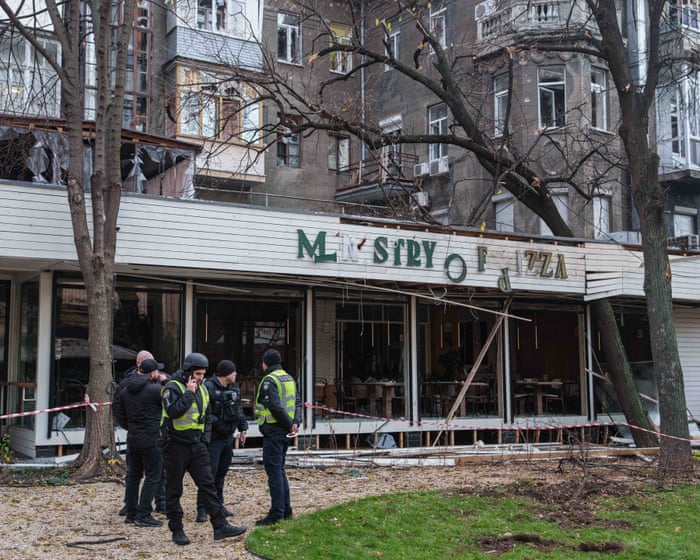
EU Unveils 22nd Sanctions Package, Vowing to Hit Russia's War Chest Harder
Ursula von der Leyen presented the EU's 22nd sanctions package against Russia, aimed at hitting its ability to fund the Ukraine war, while Nato's Mark Rutte urged steady supplies of air defence and ammunition to Ukraine.
💬 Comments