Drowning in AI slop? Here's which social platforms let you turn down the sludge
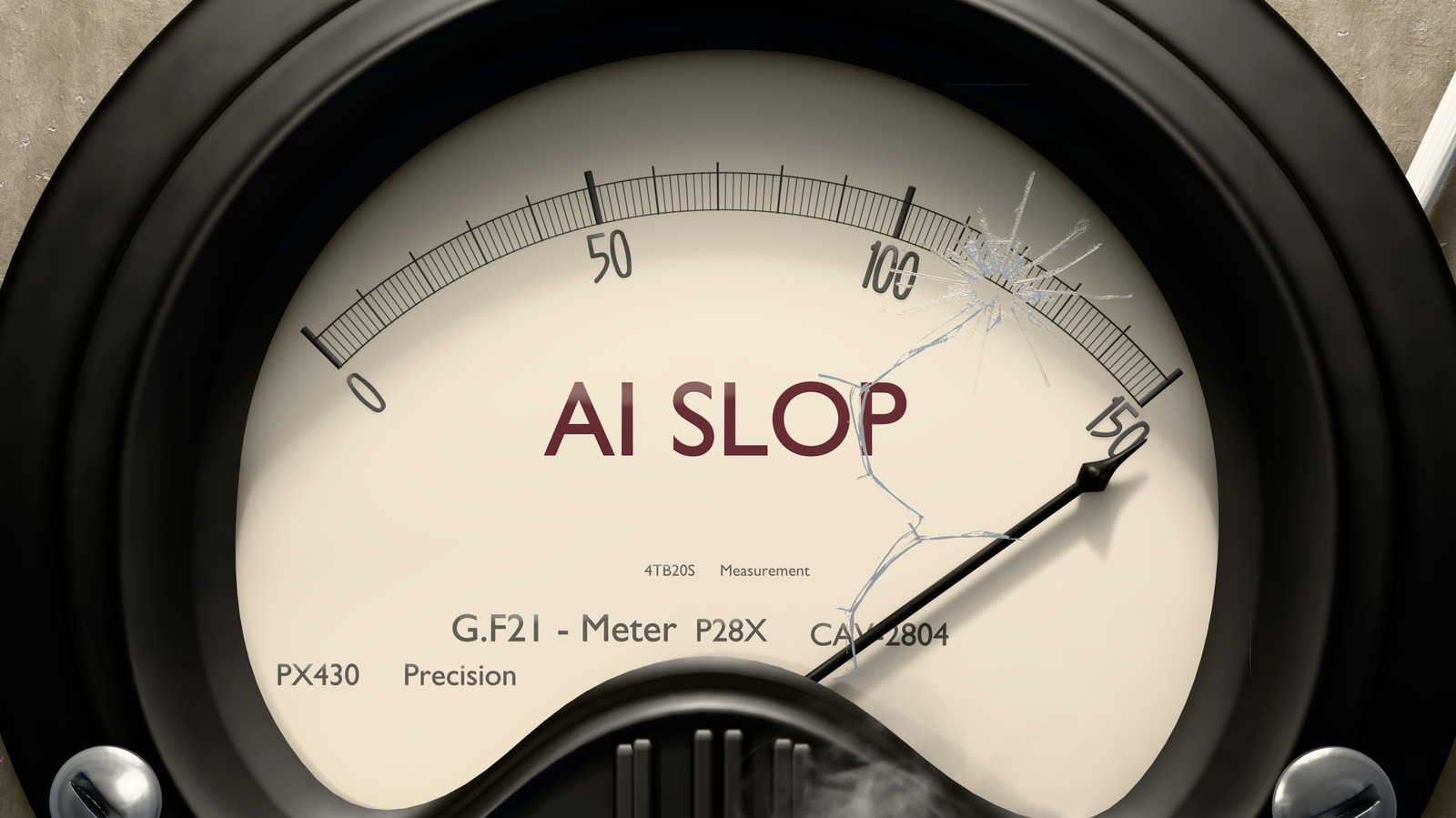
Engadget has published a guide to fighting the flood of AI-generated junk in social feeds, and the short version is that some platforms give you a dial while others hand you a mop. Pinterest, LinkedIn and TikTok offer tools to reduce AI content, while Instagram, Facebook, YouTube and X have no dedicated setting.
Pinterest lets you dial down AI-generated content by category. The adjustable categories are Architecture, Art, Beauty, Entertainment, Fashion, Food & drink, Health, Home decor and Sport. TikTok's AI content slider is still in testing, so it is not available to everyone. To check, open your profile, tap the three-line menu at the top right and look for a slider tied to AI content. If it's there, move it left to cut AI content to the minimum.
LinkedIn takes a platform-wide approach. According to Engadget, it introduced new classifiers in July 2026 to identify AI slop posts and limit their reach, so you should already see fewer in recommendations from outside your network. A "Seems like AI slop" button in the three-dot menu on posts and comments lets you report offenders. That may not shrink a post's overall reach, but it should show you fewer of them and help train the classifier.
On Instagram, Facebook, YouTube and X, the fix is training your algorithm. Skip anything that looks like slop, and use feedback tools such as "Not interested" on Instagram, YouTube and X, or "Don't recommend channel" on YouTube. Feeds serve more of whatever holds your attention, so ignoring junk is a quiet form of protest.
For a nuclear option, you can reset recommendations. Instagram offers "Reset suggested content" under Content preferences, TikTok has "Refresh your For You feed" in settings, and on YouTube you must clear your watch history.
Even with all this, Engadget notes that a perfect block may be impossible. Platforms rely on labels and metadata to spot AI content, and those can vanish when content is edited or reuploaded. For now, most tools reduce slop rather than eliminate it.
Why it matters
AI-generated filler affects how much people trust what they see online, which matters for advertisers, creators and platforms competing for attention. User controls could become a competitive feature, and weak labeling shows how hard policing synthetic content remains.
Key points
- Pinterest, LinkedIn and TikTok offer ways to reduce AI content; TikTok's slider is still in testing.
- Instagram, Facebook, YouTube and X have no dedicated setting, so users must train or reset their algorithms.
- Lost labels and metadata mean a 100 percent accurate block may not be possible.
Written by the PixelContent newsroom from public reports. Original reporting: Engadget.
Get the news that moves your money
Breaking news, market calls and the weirdest true stories in your inbox. Free.
No spam. Unsubscribe anytime.
More stories

Trump Dials Into Nvidia Board Meeting, Jensen Huang Gets His Job Back, Shares Jump 34%
Nvidia's board reinstated CEO Jensen Huang after Trump joined a board meeting by phone, and shares surged over 34 percent. Democrats demand answers on national security and chip export controls.

Gizmodo's Tech Editor Digs Up 8 Underrated Gifts Missing From Other Holiday Lists
Gizmodo's Raymond Wong has published his second annual list of eight underrated tech gifts, drawn from his own online orders and aimed at items other holiday guides overlook.

Your Closed Support Tickets Might Be AI Training Gold, Says a Data-Licensing Startup
SourceX says companies could license approved records like support tickets and workflows to train AI. It advertises large potential payouts, but stresses they are not typical or guaranteed and depend on qualification and signed terms.

China Says It Swapped a Damaged Oil Well Casing Nearly 6,000 Feet Down, a Claimed Record
Xinjiang Oilfield, part of CNPC, reports replacing a damaged well casing at nearly 6,000 feet and calls it a record, per Interesting Engineering. Technical details and independent verification are not yet available.
Roku Remote Blinking Green? Don't Panic, It's Usually Just Hungry for Batteries
A flashing green light on a Roku remote usually means low batteries or pairing, per Engadget. Rapid flashing after re-pairing suggests a broken remote. Restarting it or using your phone are easy workarounds.
Oregon and Virginia sue SpaceX's AI arm over Grok's explicit deepfakes
Oregon and Virginia have sued SpaceX Super Intelligence, alleging Grok's explicit deepfake abilities violated consumer protection laws. The company says offenders broke its rules, and it faces other probes and suits.
💬 Comments