China Says It Swapped a Damaged Oil Well Casing Nearly 6,000 Feet Down, a Claimed Record
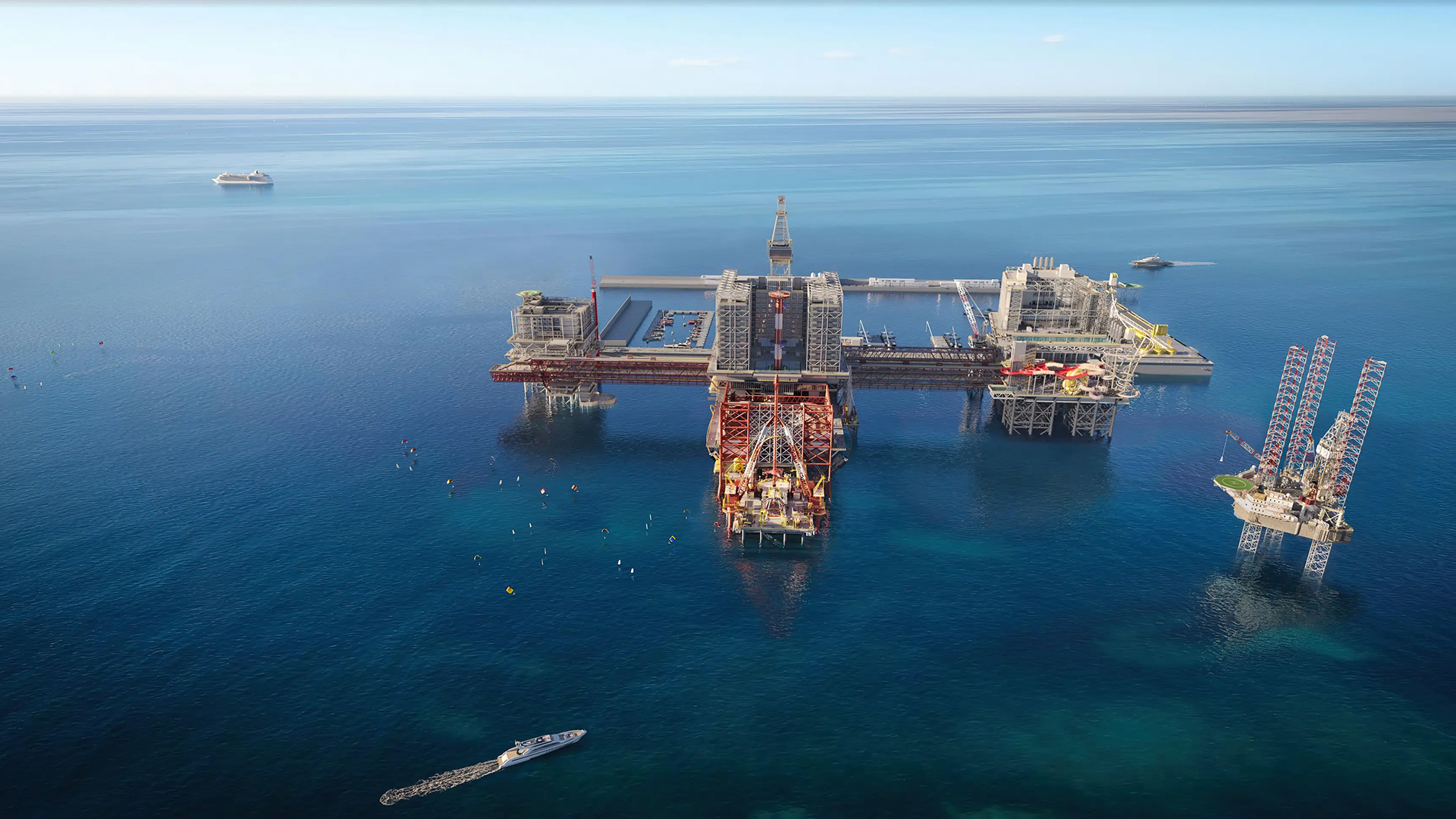
Xinjiang Oilfield, a unit of China National Petroleum Corp. (CNPC), says it has replaced a damaged well casing at a depth of nearly 6,000 feet, a feat it describes as a record, according to Interesting Engineering.
The details are thin. The source material available to us includes the headline and a short teaser, but no technical specifics on how the repair was carried out, how long it took, or what it cost. We also cannot independently verify the record claim, so it should be read as the company's own description.
For non-specialists, a casing is the steel pipe lining an oil well. It keeps the borehole from collapsing, seals off different rock layers and stops fluids from leaking where they shouldn't. When it gets damaged, the usual options are costly: patch it, plug the well, or drill a new one.
Swapping out a casing section at depth, rather than abandoning the well, is the kind of work that can extend the life of an aging field. If the claim holds up, it suggests Chinese operators are pushing workover technology, the repair and maintenance side of the oil business that rarely makes headlines but matters a lot to margins.
Neither the source text nor the teaser says whether the technique will be used more widely or offered commercially. Until CNPC or independent experts provide more detail, the record remains an announcement rather than a verified benchmark.
Why it matters
Repairing old wells instead of drilling new ones can cut costs and keep output flowing from mature fields. For energy markets, small gains in well longevity add up across thousands of wells. It also shows where national oil companies are investing engineering effort.
Key points
- Xinjiang Oilfield, a CNPC unit, reports replacing a damaged well casing at nearly 6,000 feet.
- The company calls it a record, but the claim has not been independently verified.
- Technical details such as method, duration and cost were not provided in the material.
Written by the PixelContent newsroom from public reports. Original reporting: Interesting Engineering.
Get the news that moves your money
Breaking news, market calls and the weirdest true stories in your inbox. Free.
No spam. Unsubscribe anytime.
More stories

Trump Dials Into Nvidia Board Meeting, Jensen Huang Gets His Job Back, Shares Jump 34%
Nvidia's board reinstated CEO Jensen Huang after Trump joined a board meeting by phone, and shares surged over 34 percent. Democrats demand answers on national security and chip export controls.

Gizmodo's Tech Editor Digs Up 8 Underrated Gifts Missing From Other Holiday Lists
Gizmodo's Raymond Wong has published his second annual list of eight underrated tech gifts, drawn from his own online orders and aimed at items other holiday guides overlook.
Drowning in AI slop? Here's which social platforms let you turn down the sludge
Engadget's guide says Pinterest, LinkedIn and TikTok let users reduce AI slop, while Instagram, Facebook, YouTube and X require training your algorithm. A fully reliable block may not be possible.

Your Closed Support Tickets Might Be AI Training Gold, Says a Data-Licensing Startup
SourceX says companies could license approved records like support tickets and workflows to train AI. It advertises large potential payouts, but stresses they are not typical or guaranteed and depend on qualification and signed terms.
Roku Remote Blinking Green? Don't Panic, It's Usually Just Hungry for Batteries
A flashing green light on a Roku remote usually means low batteries or pairing, per Engadget. Rapid flashing after re-pairing suggests a broken remote. Restarting it or using your phone are easy workarounds.

Oregon and Virginia sue SpaceX's AI arm over Grok's explicit deepfakes
Oregon and Virginia have sued SpaceX Super Intelligence, alleging Grok's explicit deepfake abilities violated consumer protection laws. The company says offenders broke its rules, and it faces other probes and suits.
💬 Comments