Oregon and Virginia sue SpaceX's AI arm over Grok's explicit deepfakes
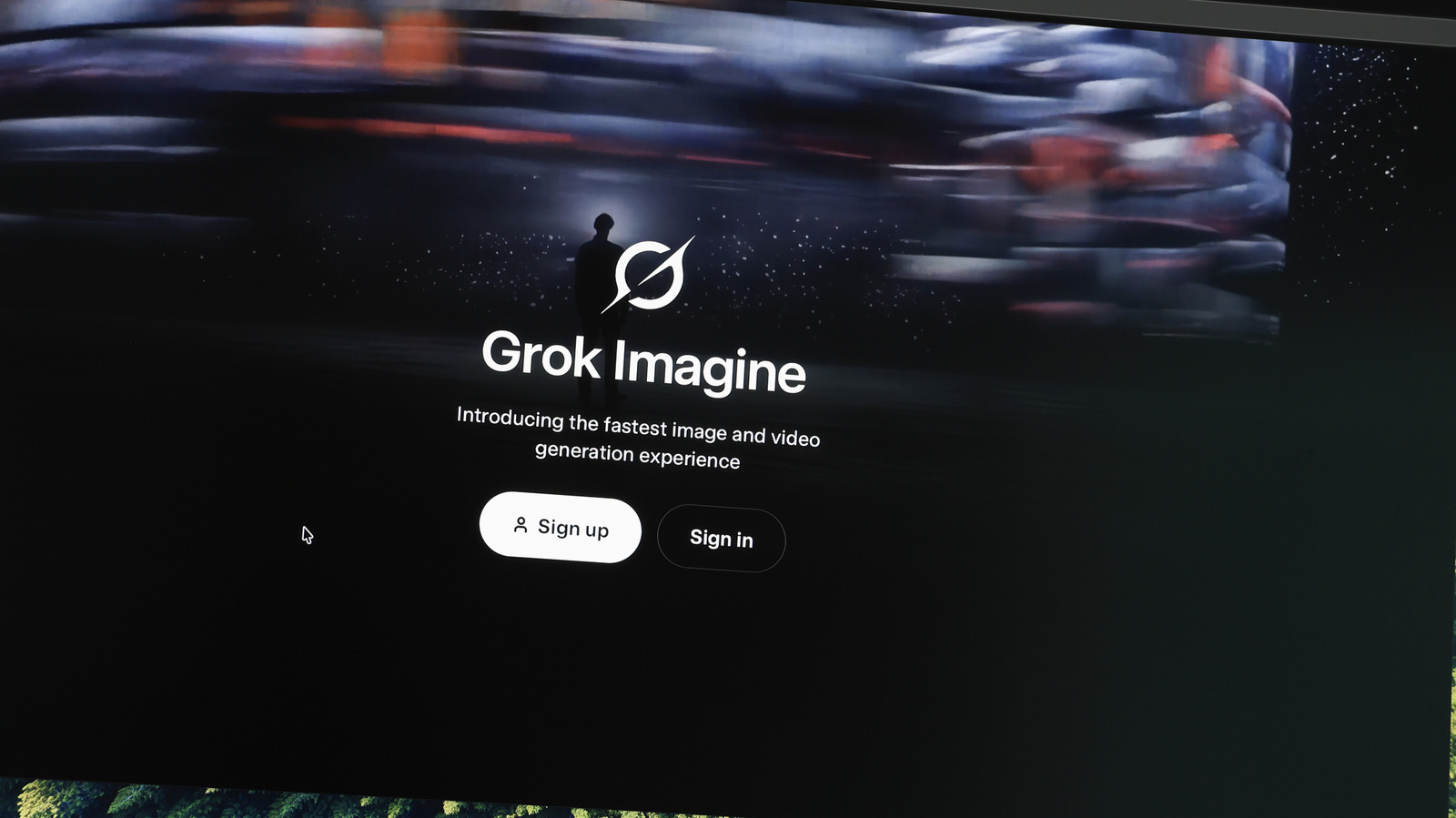
The attorneys general of Oregon and Virginia have filed lawsuits against SpaceX Super Intelligence (SpaceXSI), Elon Musk's conglomerate company, according to Engadget. They accuse it of violating state consumer protection laws by letting users of its Grok AI chatbot create non-consensual sexually explicit content.
The suits allege the company released Grok's "spicy mode" to "push its lagging product to tens of millions of new users." They claim the feature enabled the creation of child sexual abuse material (CSAM).
Virginia Attorney General Jay Jones said in a press release that the case is about the millions of Virginians with accounts on X who were misled by false reassurances that their data and images would be safe. He said the company prioritized growth and engagement over safety, and deceived the public about it.
X Safety responded in a post that people using Grok for sexually explicit deepfakes "deliberately" violated the Terms of Service. It said it will keep testing and adjusting protections as abusers change tactics, and that CSAM has no place on X or in Grok. It also said it would take action, including actioning accounts and notifying law enforcement, when users get around safeguards.
The company has also gone on the offensive before: earlier this year SpaceXSI sued one of its own users for creating sexual images of real people without their consent.
Oregon and Virginia are not alone. The City of Baltimore has taken legal action, claiming Grok broke its Consumer Protection Ordinance, while the UK's media authority and the California attorney general have launched separate investigations into xAI and Grok.
Why it matters
Consumer protection suits from state attorneys general show that AI product design choices can carry real legal and financial risk. A growing pile of lawsuits and investigations could shape how AI companies build safeguards and how investors price regulatory exposure.
Key points
- Oregon and Virginia sued SpaceXSI under state consumer protection laws over Grok's explicit content.
- The suits say "spicy mode" was meant to grow users and enabled CSAM creation; X Safety says violators broke its terms.
- Baltimore, UK's media authority and California's attorney general have also taken action or opened probes.
Written by the PixelContent newsroom from public reports. Original reporting: Engadget.
Get the news that moves your money
Breaking news, market calls and the weirdest true stories in your inbox. Free.
No spam. Unsubscribe anytime.
More stories

Trump Dials Into Nvidia Board Meeting, Jensen Huang Gets His Job Back, Shares Jump 34%
Nvidia's board reinstated CEO Jensen Huang after Trump joined a board meeting by phone, and shares surged over 34 percent. Democrats demand answers on national security and chip export controls.

Gizmodo's Tech Editor Digs Up 8 Underrated Gifts Missing From Other Holiday Lists
Gizmodo's Raymond Wong has published his second annual list of eight underrated tech gifts, drawn from his own online orders and aimed at items other holiday guides overlook.
Drowning in AI slop? Here's which social platforms let you turn down the sludge
Engadget's guide says Pinterest, LinkedIn and TikTok let users reduce AI slop, while Instagram, Facebook, YouTube and X require training your algorithm. A fully reliable block may not be possible.

Your Closed Support Tickets Might Be AI Training Gold, Says a Data-Licensing Startup
SourceX says companies could license approved records like support tickets and workflows to train AI. It advertises large potential payouts, but stresses they are not typical or guaranteed and depend on qualification and signed terms.

China Says It Swapped a Damaged Oil Well Casing Nearly 6,000 Feet Down, a Claimed Record
Xinjiang Oilfield, part of CNPC, reports replacing a damaged well casing at nearly 6,000 feet and calls it a record, per Interesting Engineering. Technical details and independent verification are not yet available.
Roku Remote Blinking Green? Don't Panic, It's Usually Just Hungry for Batteries
A flashing green light on a Roku remote usually means low batteries or pairing, per Engadget. Rapid flashing after re-pairing suggests a broken remote. Restarting it or using your phone are easy workarounds.
💬 Comments