EU Unveils 22nd Sanctions Package, Vowing to Hit Russia's War Chest Harder
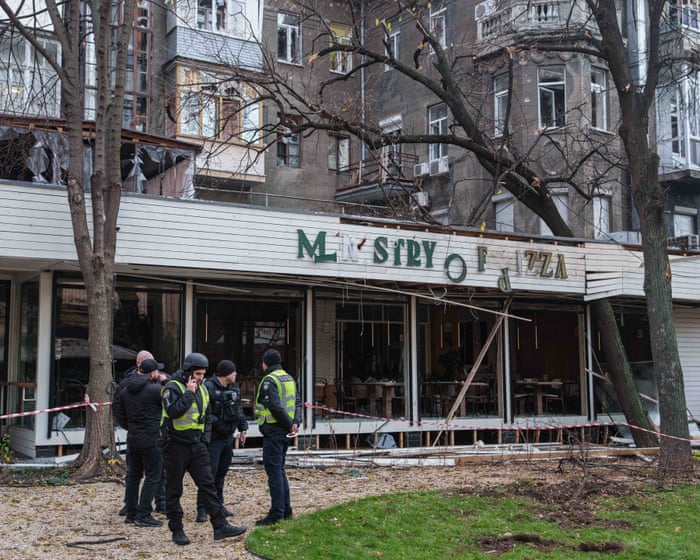
European Commission president Ursula von der Leyen has set out the EU's 22nd package of sanctions against Russia, according to The Guardian's live coverage of events in Europe. The stated aim is to keep up pressure on Moscow and strike harder at its ability to fund the war in Ukraine.
The material available does not spell out what the new package contains, so the specific measures, targets and timeline remain unclear. What is clear is the political message: Brussels wants to squeeze the revenue that pays for Russia's military campaign rather than simply add to the pile of existing restrictions.
Separately, Nato secretary general Mark Rutte stressed the need to secure the flow of crucial supplies to Ukraine, naming air defence weapons and ammunition. His remarks underline that the pressure on Russia is meant to run alongside practical military support for Kyiv.
Some context helps. EU sanctions packages generally need unanimous approval from member states, which often makes each round a negotiation. Reaching a 22nd package shows both the EU's persistence and the difficulty of finding fresh levers after so many rounds. Each new set tends to focus on closing loopholes and tightening areas where earlier measures leaked.
For now, this is an announcement of intent, not a finished deal. Whether the package is adopted as proposed, and how much it bites, will depend on talks among EU governments in the coming period.
Why it matters
Sanctions on Russia influence energy, trade and financial markets across Europe, and each new package can shift risk for companies with exposure to the region. Continued pressure and military aid also signal that the war's costs for governments and taxpayers are far from over.
Key points
- Von der Leyen presented the EU's 22nd sanctions package against Russia.
- The goal is to strike harder at Russia's ability to fund the war in Ukraine.
- Nato's Rutte stressed securing air defence weapons and ammunition for Ukraine.
Written by the PixelContent newsroom from public reports. Original reporting: The Guardian.
Get the news that moves your money
Breaking news, market calls and the weirdest true stories in your inbox. Free.
No spam. Unsubscribe anytime.
More stories

Seven-year-old boy pulled from rubble after Russian drone strike in Kyiv region kills at least 10
A seven-year-old boy named David was pulled alive from rubble after 14 hours following a Russian drone attack on a residential building in Dymer, Kyiv region. At least ten others died, Al Jazeera reports.

Zelensky says Ukrainian drones hit Russian ships off Libya, as Kremlin warns of rising tensions
Zelensky says Ukrainian drones sank a Russian warship and hit a weapons-carrying cargo ship off Libya. The BBC verified footage of a burning ship at Benghazi; the Kremlin warned of escalating tensions.

Ukraine Says Its Naval Drones Hit Russian Ships Off Libya, Pushing the War Into the Mediterranean
Ukraine says naval drones sank the Russian corvette Merkury and hit the cargo ship Angara off Libya. Russia warns of consequences, while the UN seeks an investigation and analysts see the war spreading.

Rights Group Reports 350% Surge in Attacks on West Bank Medics
Physicians for Human Rights Israel reports a 350% rise in attacks on Palestinian medics in the West Bank from 2022 to 2024, blaming Israeli soldiers and settlers and citing delays that endanger patients.

Netanyahu Pushes to Strike Iran Again: Security Need or Political Survival Play?
Netanyahu calls renewed strikes on Iran a national security necessity, but military analysts and opposition leaders told The New York Times he may be putting his own interests first.
UK Education Secretary Heads to Beijing to Sell British Schooling, Weeks After MI5's Warning on China
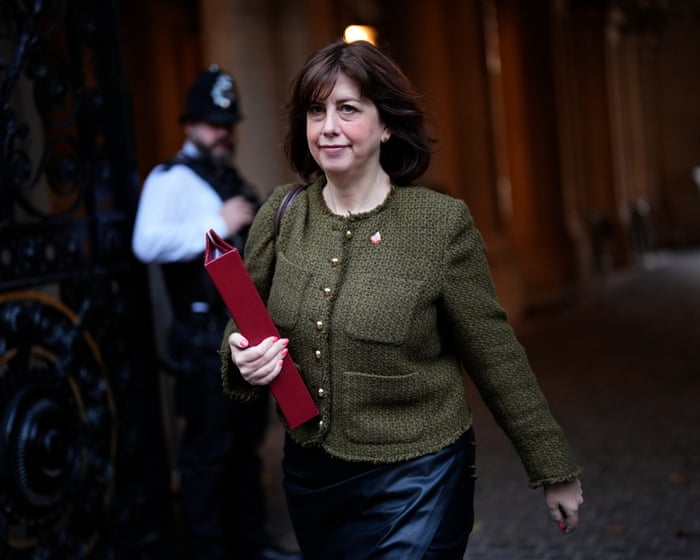
Education secretary Lucy Powell is leading a 50-strong delegation to Beijing for a UK-China education summit, weeks after MI5 warned universities about Chinese interference. Critics call the trip shortsighted; the government cites export growth.
💬 Comments