COP31 in Turkiye ends without a deal as fossil fuels split the room

The United Nations climate summit in Turkiye, COP31, has ended without an agreement, according to Al Jazeera. The countries facing the greatest climate danger, along with the European Union, refused to accept the final text.
The sticking point was fossil fuels, which Al Jazeera describes as the centre of deep division among negotiators. The material available does not spell out the exact wording that was rejected or which countries pushed back hardest beyond those groups.
The outcome is a reminder of how these summits work. Decisions normally need broad consensus, so a text that satisfies fossil fuel producers can easily fail with vulnerable nations and the EU, who want stronger language. When the two camps cannot meet in the middle, the result can be no text at all.
Al Jazeera's coverage draws on three voices for analysis: George Monbiot, an environmental activist and Guardian columnist; Harjeet Singh of the Fossil Fuel Treaty Initiative; and Francois Gemenne, a professor at HEC Paris who specialises in environmental geopolitics. Their specific comments were not included in the material provided.
For now, the practical effect is uncertainty. Governments, investors and energy companies look to these summits for signals on how fast the world intends to move away from oil, gas and coal. Without a clear outcome, those signals stay muddy, and the next round of talks will have to pick up the same fight.
Why it matters
Climate summits shape the policy signals that energy companies, investors and governments use to plan. A failed deal leaves the pace of the fossil fuel transition unclear, which can affect energy investment and long-term costs for consumers.
Key points
- COP31 in Turkiye ended without an agreement.
- Highly vulnerable countries and the EU rejected the final text.
- Fossil fuels were the central point of division.
Written by the PixelContent newsroom from public reports. Original reporting: Al Jazeera.
Get the news that moves your money
Breaking news, market calls and the weirdest true stories in your inbox. Free.
No spam. Unsubscribe anytime.
More stories

Seven-year-old boy pulled from rubble after Russian drone strike in Kyiv region kills at least 10
A seven-year-old boy named David was pulled alive from rubble after 14 hours following a Russian drone attack on a residential building in Dymer, Kyiv region. At least ten others died, Al Jazeera reports.

Zelensky says Ukrainian drones hit Russian ships off Libya, as Kremlin warns of rising tensions
Zelensky says Ukrainian drones sank a Russian warship and hit a weapons-carrying cargo ship off Libya. The BBC verified footage of a burning ship at Benghazi; the Kremlin warned of escalating tensions.

Ukraine Says Its Naval Drones Hit Russian Ships Off Libya, Pushing the War Into the Mediterranean
Ukraine says naval drones sank the Russian corvette Merkury and hit the cargo ship Angara off Libya. Russia warns of consequences, while the UN seeks an investigation and analysts see the war spreading.

Rights Group Reports 350% Surge in Attacks on West Bank Medics
Physicians for Human Rights Israel reports a 350% rise in attacks on Palestinian medics in the West Bank from 2022 to 2024, blaming Israeli soldiers and settlers and citing delays that endanger patients.

Netanyahu Pushes to Strike Iran Again: Security Need or Political Survival Play?
Netanyahu calls renewed strikes on Iran a national security necessity, but military analysts and opposition leaders told The New York Times he may be putting his own interests first.
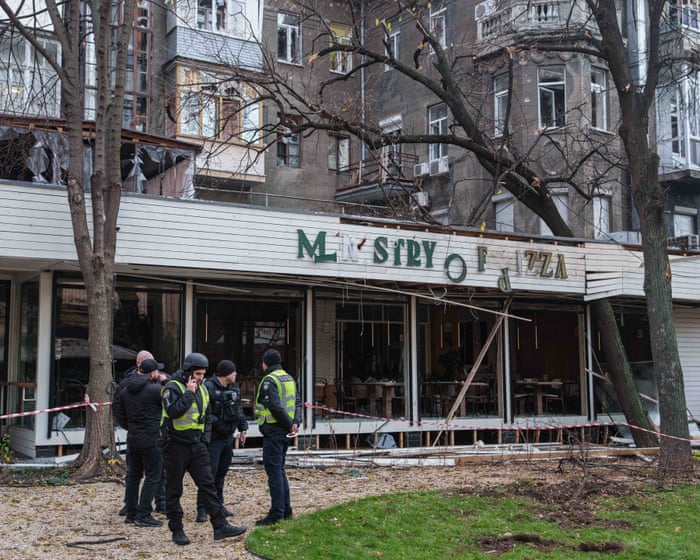
EU Unveils 22nd Sanctions Package, Vowing to Hit Russia's War Chest Harder
Ursula von der Leyen presented the EU's 22nd sanctions package against Russia, aimed at hitting its ability to fund the Ukraine war, while Nato's Mark Rutte urged steady supplies of air defence and ammunition to Ukraine.
💬 Comments