A Deep-Sea Robot Hauled Up Something That Challenges Beliefs About Volcanic Blasts
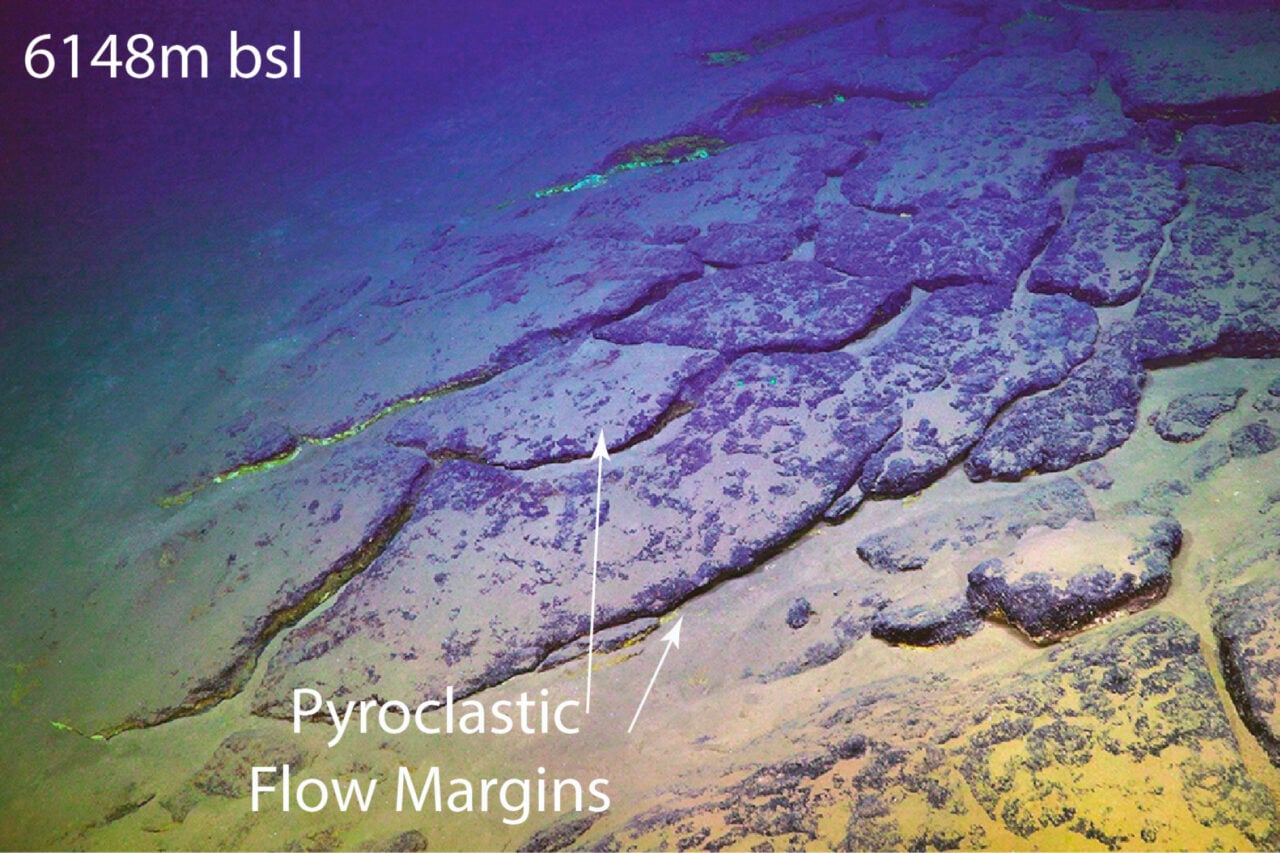
Scientists had long believed that explosive volcanic eruptions could not happen at extreme ocean depths. According to Gizmodo, a robot has now brought up something unexpected from the deep that calls that assumption into question.
The teaser for the report also suggests the research may help explain why Challenger Deep is so deep. That is the name of the famously profound spot in the ocean, and the connection hints that volcanic activity could be tied to how such trenches take shape.
The source material available to us is limited to the headline and teaser, so the specifics remain unclear: what exactly the robot retrieved, where it was collected, who led the work and when the findings were made. We are not going to guess at those details.
What the headline does make clear is the shape of the surprise. The prevailing thinking was that the crushing pressure at great depth would suppress violent, explosive eruptions. A sample that appears to contradict that idea would push researchers to revisit their models of how the seafloor behaves.
It is also a reminder of why robotic explorers matter. Humans cannot easily visit these depths, so uncrewed machines act as our hands and eyes, and every retrieval can overturn a textbook rule. We will update this story if fuller details of the study become available.
Why it matters
Deep-sea robotics is a growing technology field, and discoveries like this show the payoff from building machines that can work under extreme pressure. Better understanding of seafloor geology also feeds into resource exploration and hazard science, areas where investment and policy decisions follow the research.
Key points
- A robot retrieved something unexpected from the deep sea, per Gizmodo.
- The find challenges the idea that explosive volcanic blasts can't occur at such depths.
- The research may also help explain why Challenger Deep is so deep.
Written by the PixelContent newsroom from public reports. Original reporting: Gizmodo.
Get the news that moves your money
Breaking news, market calls and the weirdest true stories in your inbox. Free.
No spam. Unsubscribe anytime.
More stories

Trump Dials Into Nvidia Board Meeting, Jensen Huang Gets His Job Back, Shares Jump 34%
Nvidia's board reinstated CEO Jensen Huang after Trump joined a board meeting by phone, and shares surged over 34 percent. Democrats demand answers on national security and chip export controls.

Gizmodo's Tech Editor Digs Up 8 Underrated Gifts Missing From Other Holiday Lists
Gizmodo's Raymond Wong has published his second annual list of eight underrated tech gifts, drawn from his own online orders and aimed at items other holiday guides overlook.
Drowning in AI slop? Here's which social platforms let you turn down the sludge
Engadget's guide says Pinterest, LinkedIn and TikTok let users reduce AI slop, while Instagram, Facebook, YouTube and X require training your algorithm. A fully reliable block may not be possible.

Your Closed Support Tickets Might Be AI Training Gold, Says a Data-Licensing Startup
SourceX says companies could license approved records like support tickets and workflows to train AI. It advertises large potential payouts, but stresses they are not typical or guaranteed and depend on qualification and signed terms.

China Says It Swapped a Damaged Oil Well Casing Nearly 6,000 Feet Down, a Claimed Record
Xinjiang Oilfield, part of CNPC, reports replacing a damaged well casing at nearly 6,000 feet and calls it a record, per Interesting Engineering. Technical details and independent verification are not yet available.
Roku Remote Blinking Green? Don't Panic, It's Usually Just Hungry for Batteries
A flashing green light on a Roku remote usually means low batteries or pairing, per Engadget. Rapid flashing after re-pairing suggests a broken remote. Restarting it or using your phone are easy workarounds.
💬 Comments