Cop31 ends without a keystone climate deal, a first in 17 years
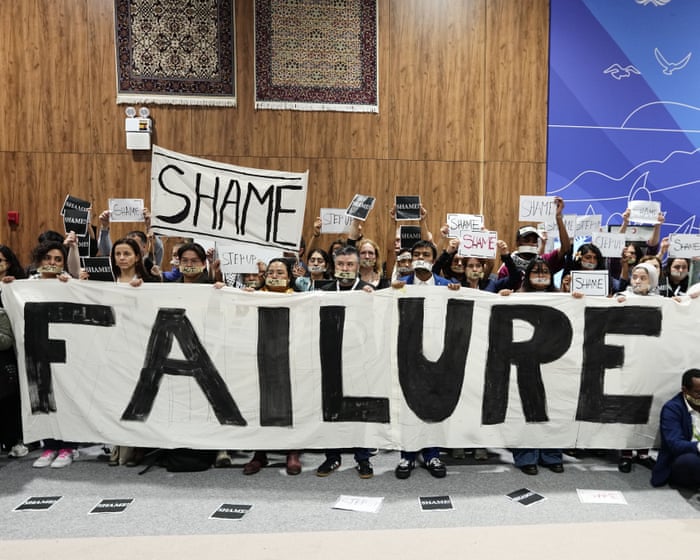
The Cop31 climate summit has ended without a keystone agreement, the first time in 17 years that countries have failed to reach one, according to The Guardian. The talks were co-chaired by Turkey and Australia.
The aim was a pact that would have injected urgency into climate action. Instead, delegates leave without the headline deal the process was meant to deliver. The teaser available does not spell out which disputes sank the talks, so the exact reasons remain unclear for now.
The co-chair arrangement, with Turkey and Australia sharing the job, was itself a notable feature of this summit. Whether it shaped the outcome is not stated in the material we have, and we won't guess.
Context helps here. UN climate summits run on consensus, meaning every participating country must sign off on the final text. That makes a headline agreement hard to land: one determined holdout, or a few, can stall the whole thing. A 17-year streak of keystone deals shows how rare a total collapse is.
For governments, businesses and investors, a missing deal means less clarity. Companies planning around clean energy, carbon pricing or green finance look to these summits for signals about where policy is heading. Without a clear one, planning gets murkier, though national policies and existing commitments remain in place.
Expect plenty of finger-pointing and analysis in the coming days. The Guardian is running a live explainer on why the talks fell apart, and more detail should emerge about who blocked what.
Why it matters
Climate summits shape signals on energy policy, carbon pricing and green investment. A failed keystone deal leaves businesses and investors with less clarity on where regulation and funding are heading, which can affect long-term planning and energy-sector valuations.
Key points
- Cop31 ended without a keystone agreement, a first in 17 years.
- Turkey and Australia co-chaired the talks.
- The planned pact was meant to add urgency to climate action.
Written by the PixelContent newsroom from public reports. Original reporting: The Guardian.
Get the news that moves your money
Breaking news, market calls and the weirdest true stories in your inbox. Free.
No spam. Unsubscribe anytime.
More stories

Seven-year-old boy pulled from rubble after Russian drone strike in Kyiv region kills at least 10
A seven-year-old boy named David was pulled alive from rubble after 14 hours following a Russian drone attack on a residential building in Dymer, Kyiv region. At least ten others died, Al Jazeera reports.

Zelensky says Ukrainian drones hit Russian ships off Libya, as Kremlin warns of rising tensions
Zelensky says Ukrainian drones sank a Russian warship and hit a weapons-carrying cargo ship off Libya. The BBC verified footage of a burning ship at Benghazi; the Kremlin warned of escalating tensions.

Ukraine Says Its Naval Drones Hit Russian Ships Off Libya, Pushing the War Into the Mediterranean
Ukraine says naval drones sank the Russian corvette Merkury and hit the cargo ship Angara off Libya. Russia warns of consequences, while the UN seeks an investigation and analysts see the war spreading.

Rights Group Reports 350% Surge in Attacks on West Bank Medics
Physicians for Human Rights Israel reports a 350% rise in attacks on Palestinian medics in the West Bank from 2022 to 2024, blaming Israeli soldiers and settlers and citing delays that endanger patients.

Netanyahu Pushes to Strike Iran Again: Security Need or Political Survival Play?
Netanyahu calls renewed strikes on Iran a national security necessity, but military analysts and opposition leaders told The New York Times he may be putting his own interests first.
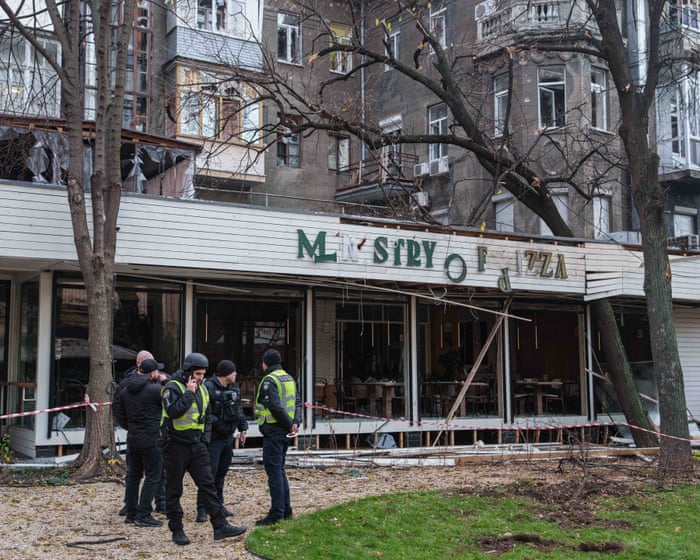
EU Unveils 22nd Sanctions Package, Vowing to Hit Russia's War Chest Harder
Ursula von der Leyen presented the EU's 22nd sanctions package against Russia, aimed at hitting its ability to fund the Ukraine war, while Nato's Mark Rutte urged steady supplies of air defence and ammunition to Ukraine.
💬 Comments