AI Cops Reportedly Now Watching Crypto Transactions, and the Blockchain Never Blinks
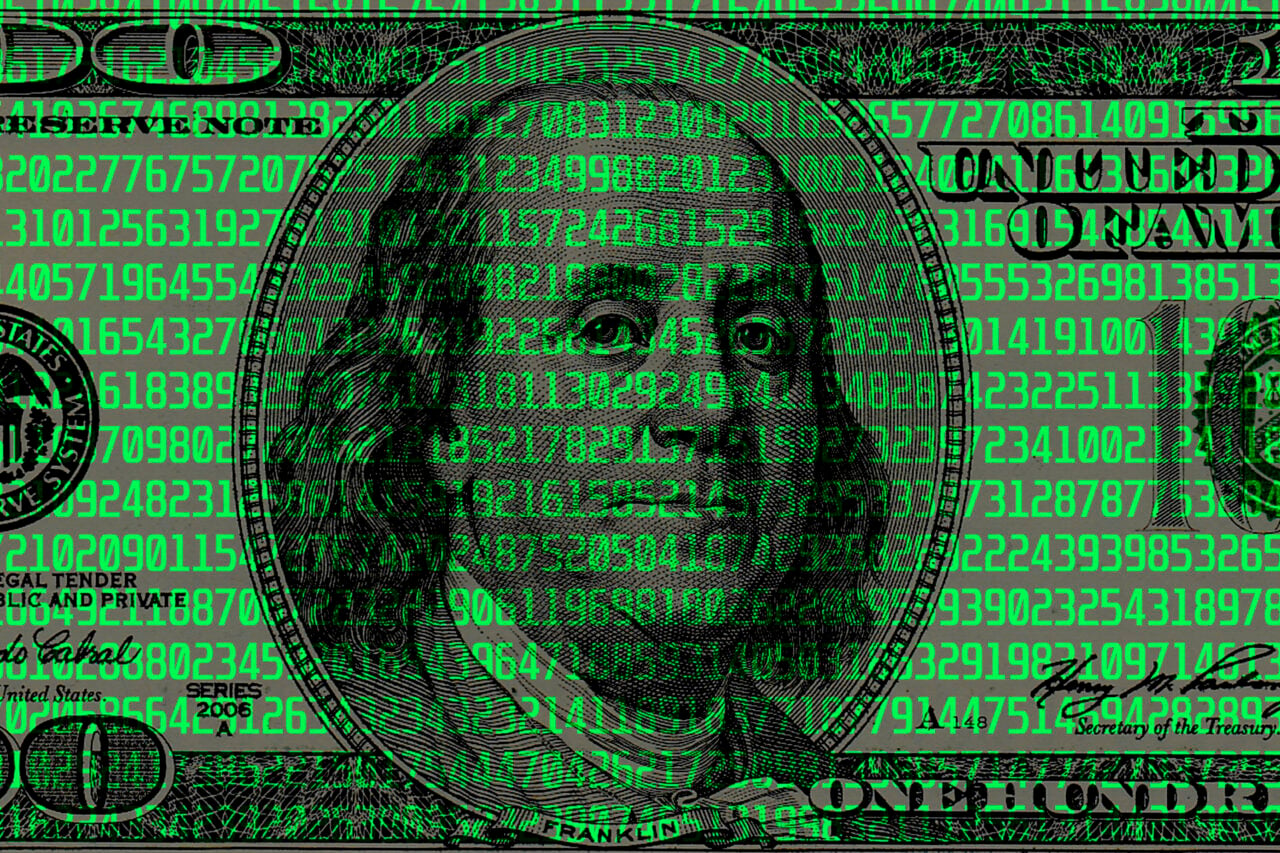
Gizmodo reports that artificial intelligence is now being used by law enforcement to track cryptocurrency transactions across the blockchain. The outlet's headline and teaser, which says officials "can see everything," frame the development as a surveillance milestone. The full article was not available to us, so details such as which agencies, tools or companies are involved remain unconfirmed.
Here is the well-established backdrop. Public blockchains such as Bitcoin record every transaction permanently and openly. Wallet addresses are pseudonymous rather than anonymous, so once an address is linked to a real person, often through an exchange that collects identity documents, its history can be traced.
That openness is exactly what makes AI an attractive tool for investigators. Software can sift through huge volumes of transactions, spot patterns and cluster addresses that likely belong to the same owner. Doing that by hand is tedious, and machines tend to be better at tedium than detectives with a coffee habit.
Gizmodo's framing, calling it a dystopian panopticon, points to the tension at the heart of crypto. Many users were drawn by privacy and independence from banks, yet the technology can be more transparent than a traditional bank statement. Supporters of enforcement say better tracking helps catch fraud, scams and money laundering. Critics worry about overreach and the loss of financial privacy.
Because the source material is thin, it is worth waiting for specifics before drawing conclusions. What is clear from the headline is the direction of travel: crypto's public ledger is increasingly meeting powerful analysis tools.
Why it matters
If AI makes blockchain tracing easier, crypto holders face less practical privacy, and illicit use becomes riskier. That could shape regulation, exchange compliance costs and how investors view privacy-focused assets.
Key points
- Gizmodo reports AI is being used to track crypto transactions.
- Public blockchains record every transaction permanently, making them traceable once addresses are linked to identities.
- Debate centers on crime fighting versus financial privacy.
Written by the PixelContent newsroom from public reports. Original reporting: Gizmodo.
More stories

One Million Orbital Data Centers? Scientists Say Musk's Sky-High AI Plan Could Wreck the Air Up There
UCL researchers warn Musk's proposed million orbital data centers could multiply launch emissions over 150 times. Their estimates rely on assumptions because SpaceX hasn't disclosed key data, and they urge regulators to demand it.

Apple's Siri AI agent may not show up until the end of 2027, and rivals aren't waiting
Bloomberg's Mark Gurman reportedly expects Apple's computer-using Siri AI agent no earlier than the end of 2027, giving ChatGPT, Claude and Gemini a long head start.

Google Wires Target and Grocery Chains Into Search and Gemini Before the Holiday Rush
Google added Albertsons, Safeway, Shaw's and Target as grocery Connected Apps in Search and Gemini in the US, alongside Instacart. Credit and tax tools are also expanding, with Angi and Thumbtack coming soon.
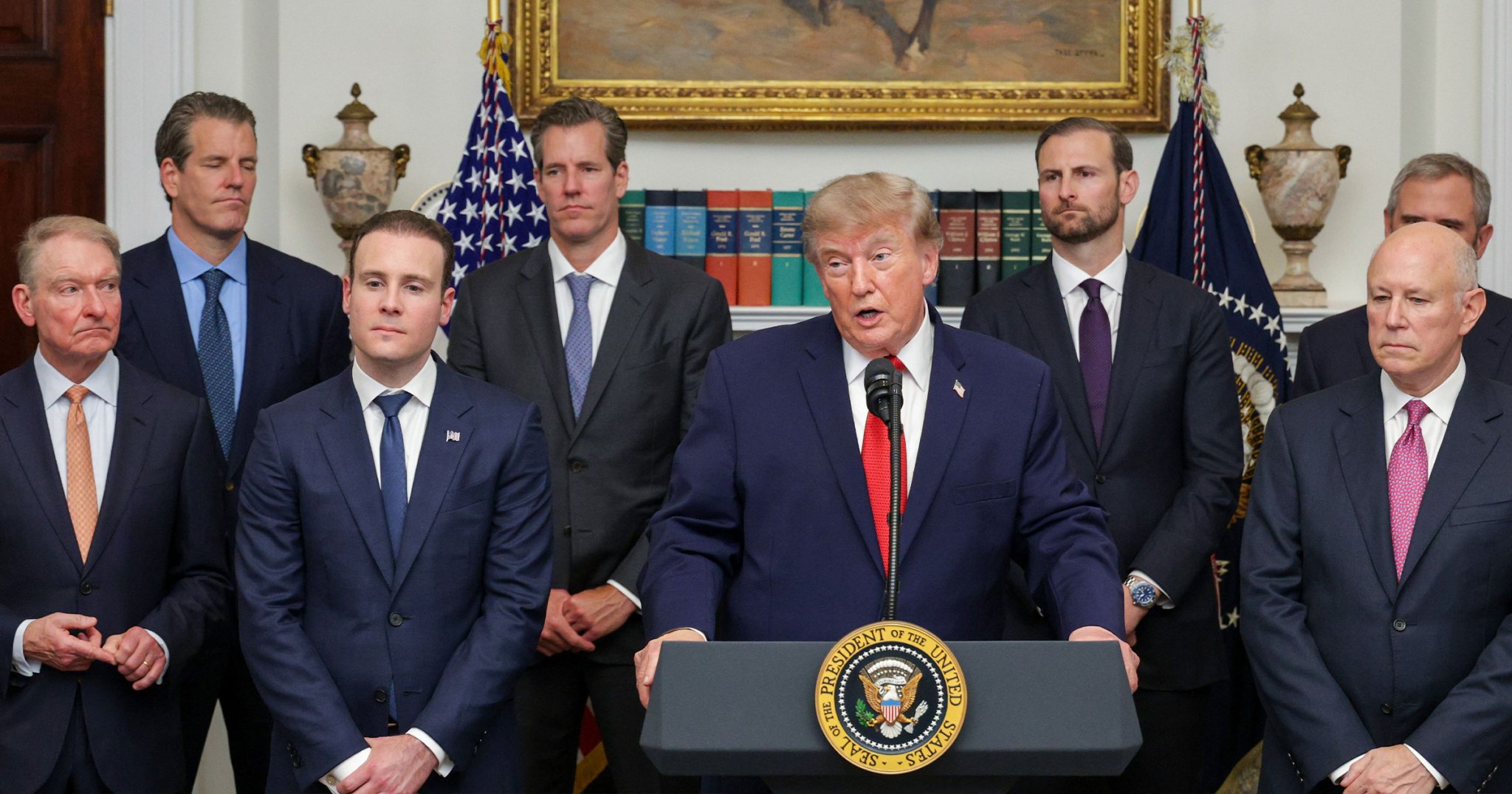
Crypto Lobby Spent $200M Backing Republicans, Lost, and Is Now Discovering a Deep Love for Bipartisanship
Crypto groups spent about $200 million backing Republicans in the midterms and lost, including a $55 million failure against Sherrod Brown. Now industry leaders are pledging to court both parties as Democrats take Congress.

Apple's 2027 to-do list: cheaper iPads, iPhone 18e, OLED Air and smart glasses
Bloomberg reports Apple plans a steady stream of 2027 launches, from a cheaper iPad and iPhone 18e early on to an OLED iPad Air, smart glasses and the iPhone 20 later.

Solar panels: great for the planet, less great for a wallet that just lost its tax credit
Engadget outlines the financial downsides of home solar: high upfront costs, the end of the federal tax credit, pricey batteries, location limits and complications when selling a home with leased or financed panels.