Xiaomi Takes Its 217-mph Electric Supercar Abroad, Selling EVs Outside China for the First Time
Chinese tech giant Xiaomi has begun selling its electric vehicles outside China for the first time, according to Interesting Engineering. The headline model is an electric supercar with a reported top speed of 217 mph and a 0-62 mph time of about two seconds.
The material available is thin, so details such as which markets are involved, pricing and delivery timelines are not confirmed here. What is clear is the direction of travel: a company best known for phones and gadgets is now exporting cars.
Those numbers are the kind that make a speedometer nervous. A two-second sprint to 62 mph is territory long reserved for a small club of high-end performance cars, and a 217-mph top end puts the car in the same conversation.
The move matters beyond the spec sheet. Chinese automakers have been expanding aggressively overseas, and a consumer electronics brand stepping into global car sales shows how blurred the line between tech company and carmaker has become.
Going abroad is a different test from winning at home. Foreign buyers will weigh local regulations, service networks, charging compatibility and brand trust, and established carmakers will be watching closely to see how Xiaomi fares.
Why it matters
A tech brand exporting cars signals tougher global competition for traditional automakers, which could influence EV pricing and innovation. For investors and shoppers, it shows the auto industry increasingly being shaped by electronics and software companies.
Key points
- Xiaomi has begun selling EVs outside China for the first time.
- The supercar is reported to hit 217 mph and 0-62 mph in about two seconds.
- Markets, pricing and delivery details were not provided in the source material.
Written by the PixelContent newsroom from public reports. Original reporting: Interesting Engineering.
Get the news that moves your money
Breaking news, market calls and the weirdest true stories in your inbox. Free.
No spam. Unsubscribe anytime.
More stories

Trump Dials Into Nvidia Board Meeting, Jensen Huang Gets His Job Back, Shares Jump 34%
Nvidia's board reinstated CEO Jensen Huang after Trump joined a board meeting by phone, and shares surged over 34 percent. Democrats demand answers on national security and chip export controls.

Gizmodo's Tech Editor Digs Up 8 Underrated Gifts Missing From Other Holiday Lists
Gizmodo's Raymond Wong has published his second annual list of eight underrated tech gifts, drawn from his own online orders and aimed at items other holiday guides overlook.

Drowning in AI slop? Here's which social platforms let you turn down the sludge
Engadget's guide says Pinterest, LinkedIn and TikTok let users reduce AI slop, while Instagram, Facebook, YouTube and X require training your algorithm. A fully reliable block may not be possible.

Your Closed Support Tickets Might Be AI Training Gold, Says a Data-Licensing Startup
SourceX says companies could license approved records like support tickets and workflows to train AI. It advertises large potential payouts, but stresses they are not typical or guaranteed and depend on qualification and signed terms.

China Says It Swapped a Damaged Oil Well Casing Nearly 6,000 Feet Down, a Claimed Record
Xinjiang Oilfield, part of CNPC, reports replacing a damaged well casing at nearly 6,000 feet and calls it a record, per Interesting Engineering. Technical details and independent verification are not yet available.
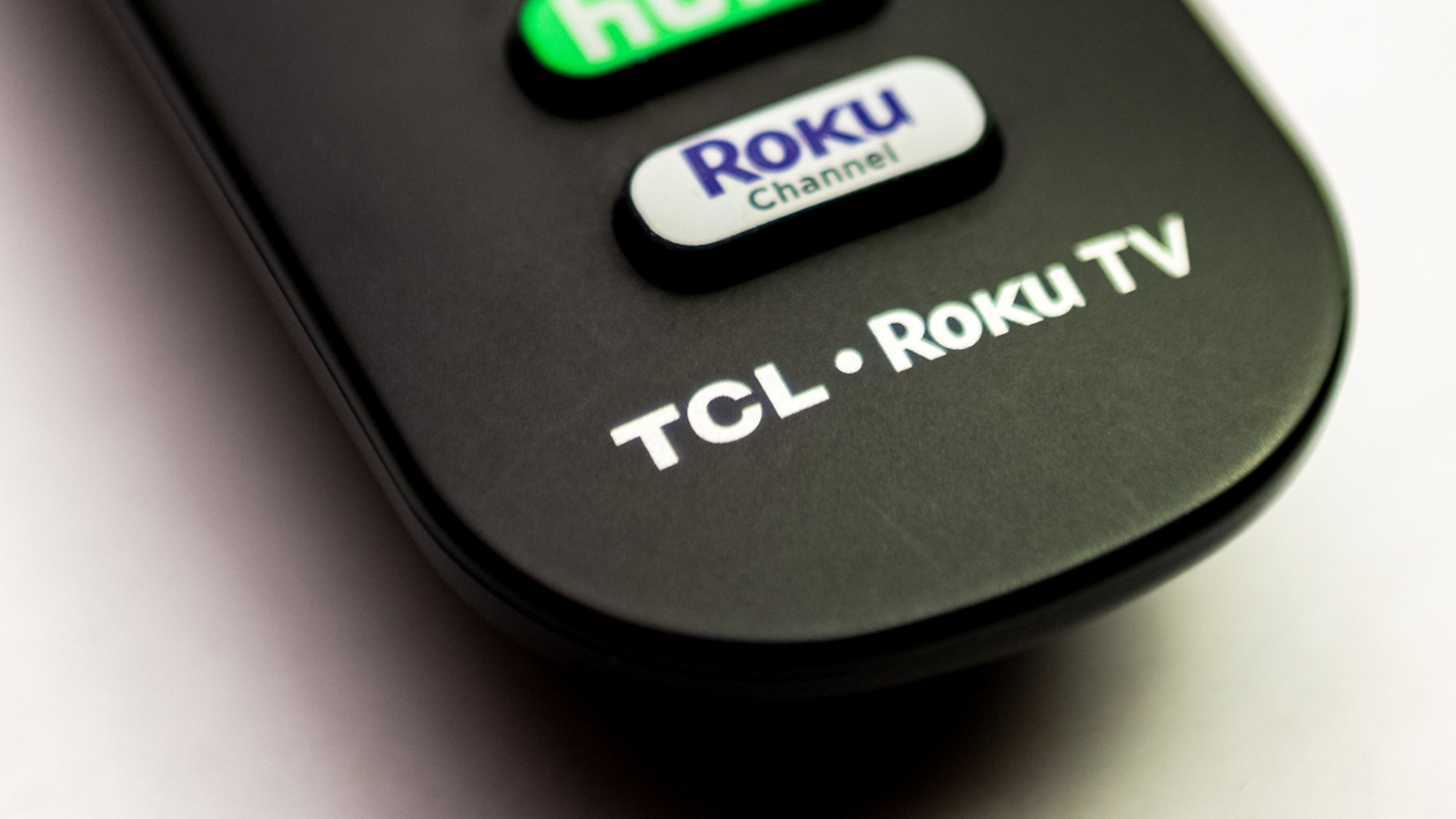
Roku Remote Blinking Green? Don't Panic, It's Usually Just Hungry for Batteries
A flashing green light on a Roku remote usually means low batteries or pairing, per Engadget. Rapid flashing after re-pairing suggests a broken remote. Restarting it or using your phone are easy workarounds.
💬 Comments