Xbox Series X: Sleep or Shutdown? One Setting Saves Power, the Other Saves Seconds
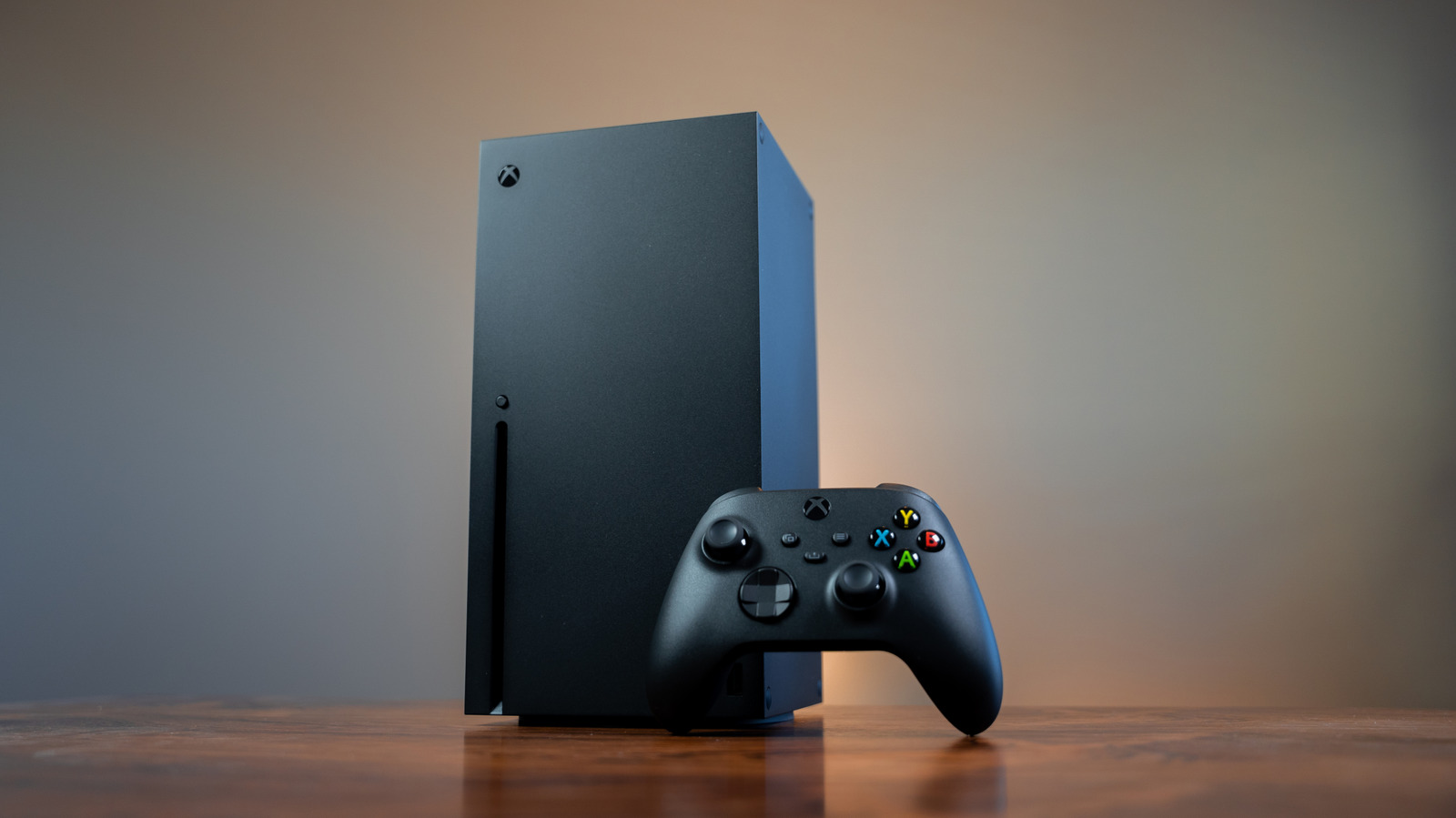
Engadget has a handy explainer for Xbox Series X owners on a setting many never touch: the console never truly turns off while plugged in, but you can choose how much electricity it sips while idle. The choice is between Shutdown and Sleep, and it lives in the Power options menu.
To change it, press the Xbox button on the controller, open Settings under Profile & System, then pick Power options. Shutdown is the default, and it is the energy-saving mode. According to Microsoft, as cited by Engadget, it uses 20 times less power than Sleep, around 0.5 watts while the console is not in use.
Shutdown is not as dead as it sounds. The console can still download automatic updates for games and the system, and Quick Resume still lets you jump back into a game where you left off. The catches: external storage stays off, so games installed there will not update, and booting is a bit slower than from Sleep, though Engadget calls the lag negligible in practice.
Sleep mode draws roughly 10 to 15 watts while off. In return, the console wakes in a few seconds and unlocks remote features. You can wake it and start downloads from the Xbox mobile app while away from home, and stream games from it to other devices using Remote Play.
Both modes can be tuned. Shutdown lets you set how long the console waits before switching off and whether updates need manual approval. Sleep lets you turn remote features and external storage access on or off.
Engadget's verdict is simple: if you use the remote features, pick Sleep. If you do not, Shutdown is the better bet, since the startup difference is tiny unless you power the console on and off many times a day, while the energy savings accumulate over time.
Why it matters
Always-on gadgets quietly add to household electricity bills, and a single menu toggle can cut a console's idle draw dramatically. As energy costs and efficiency rules draw more attention, small defaults across millions of devices add up.
Key points
- Shutdown (default) draws about 0.5 watts, 20 times less than Sleep, per Microsoft.
- Sleep draws 10 to 15 watts but enables remote downloads and Remote Play.
- Shutdown still allows automatic updates and Quick Resume, with a slightly slower boot.
Written by the PixelContent newsroom from public reports. Original reporting: Engadget.
More stories
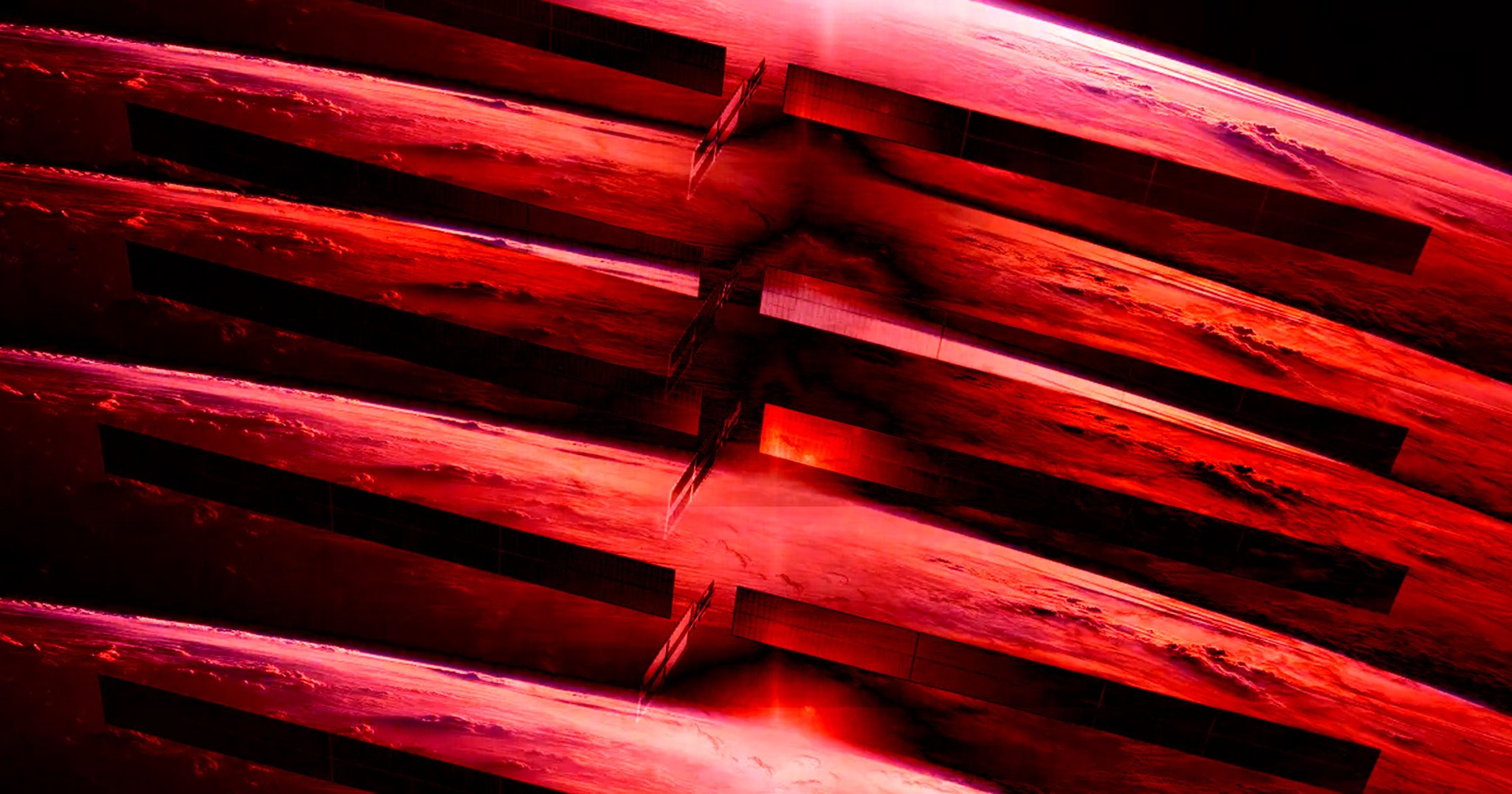
One Million Orbital Data Centers? Scientists Say Musk's Sky-High AI Plan Could Wreck the Air Up There
UCL researchers warn Musk's proposed million orbital data centers could multiply launch emissions over 150 times. Their estimates rely on assumptions because SpaceX hasn't disclosed key data, and they urge regulators to demand it.

Apple's Siri AI agent may not show up until the end of 2027, and rivals aren't waiting
Bloomberg's Mark Gurman reportedly expects Apple's computer-using Siri AI agent no earlier than the end of 2027, giving ChatGPT, Claude and Gemini a long head start.

Google Wires Target and Grocery Chains Into Search and Gemini Before the Holiday Rush
Google added Albertsons, Safeway, Shaw's and Target as grocery Connected Apps in Search and Gemini in the US, alongside Instacart. Credit and tax tools are also expanding, with Angi and Thumbtack coming soon.

Crypto Lobby Spent $200M Backing Republicans, Lost, and Is Now Discovering a Deep Love for Bipartisanship
Crypto groups spent about $200 million backing Republicans in the midterms and lost, including a $55 million failure against Sherrod Brown. Now industry leaders are pledging to court both parties as Democrats take Congress.

Apple's 2027 to-do list: cheaper iPads, iPhone 18e, OLED Air and smart glasses
Bloomberg reports Apple plans a steady stream of 2027 launches, from a cheaper iPad and iPhone 18e early on to an OLED iPad Air, smart glasses and the iPhone 20 later.
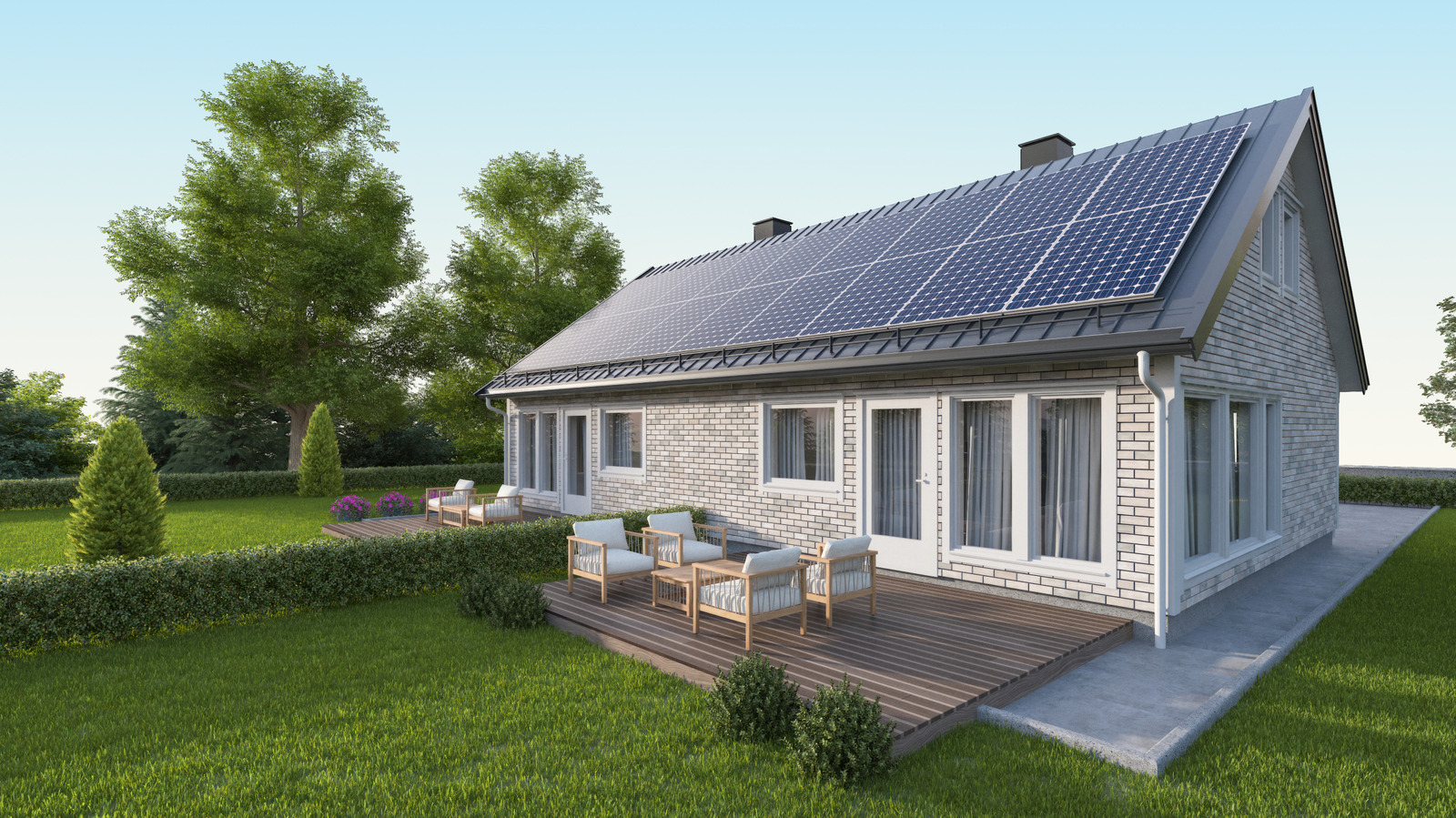
Solar panels: great for the planet, less great for a wallet that just lost its tax credit
Engadget outlines the financial downsides of home solar: high upfront costs, the end of the federal tax credit, pricey batteries, location limits and complications when selling a home with leased or financed panels.