Physicists Send a Text Message Using Gravity, and Yes, an Elevator Counterweight Was the Pen

Physicists at the University of Queensland have sent what New Atlas describes as the first message transmitted by gravity. By moving an elevator's roughly 4,000-pound (1,815 kg) counterweight in a timed pattern, they encoded ones and zeros and spelled out a single word: "Gravity." The study was published in Science Advances in 2026.
The setup was simple. The two positions of the counterweight stood for zero and one. On the other side of a wall, a commercial gravimeter, which uses a spring-mounted mass, picked up tiny shifts in the vertical pull of gravity. Moving the counterweight changed the measured acceleration by about 50 nanometers per second squared, roughly five billionths of Earth's ordinary pull.
It was not fast. Each bit got a full minute: 25 seconds to move the weight, 10 to settle and 25 to average the readings. After correcting for Earth's tides and instrument drift, the team recovered all 49 bits, plus the start and end markers. The whole transmission took 63 minutes.
The appeal is that gravity has no known equivalent of a Faraday cage. A metal mesh can disrupt radio waves, but no material is known to screen out a gravitational pull. The researchers say a better gravimeter and a faster elevator could reach about 15 bits per minute. Under optimistic assumptions, including a 75-metric-ton mass and a noisier signal, the range could stretch to roughly 1,640 feet (500 meters).
The idea grew out of an attempt to weigh trucks without having them drive onto a scale. For comparison, a 2012 Fermilab experiment sent a neutrino signal through about 790 feet of earth at six bits per minute, but it needed a particle accelerator. This one needed an elevator and an off-the-shelf sensor.
Big caveats remain. Vibrations or other moving masses could drown out the message, so a lot more work is needed before this is practical. Still, the authors note that drowning out a signal is different from blocking it with a wall.
Why it matters
Wireless communication depends on signals that walls, water and metal can block. A channel that cannot be shielded, even at a snail's pace, could one day matter for niche uses where nothing else gets through. For now it is a proof of concept, but it shows how cheaper, more sensitive sensors keep opening new technology frontiers.
Key points
- Researchers sent 49 bits spelling "Gravity" by moving an elevator counterweight, in 63 minutes.
- A commercial gravimeter detected a shift of about 50 nanometers per second squared through a wall.
- Better gear might reach 15 bits per minute and about 500 meters, but vibrations remain a problem.
Written by the PixelContent newsroom from public reports. Original reporting: New Atlas.
Get the news that moves your money
Breaking news, market calls and the weirdest true stories in your inbox. Free.
No spam. Unsubscribe anytime.
More stories

Trump Dials Into Nvidia Board Meeting, Jensen Huang Gets His Job Back, Shares Jump 34%
Nvidia's board reinstated CEO Jensen Huang after Trump joined a board meeting by phone, and shares surged over 34 percent. Democrats demand answers on national security and chip export controls.

Gizmodo's Tech Editor Digs Up 8 Underrated Gifts Missing From Other Holiday Lists
Gizmodo's Raymond Wong has published his second annual list of eight underrated tech gifts, drawn from his own online orders and aimed at items other holiday guides overlook.
Drowning in AI slop? Here's which social platforms let you turn down the sludge
Engadget's guide says Pinterest, LinkedIn and TikTok let users reduce AI slop, while Instagram, Facebook, YouTube and X require training your algorithm. A fully reliable block may not be possible.

Your Closed Support Tickets Might Be AI Training Gold, Says a Data-Licensing Startup
SourceX says companies could license approved records like support tickets and workflows to train AI. It advertises large potential payouts, but stresses they are not typical or guaranteed and depend on qualification and signed terms.
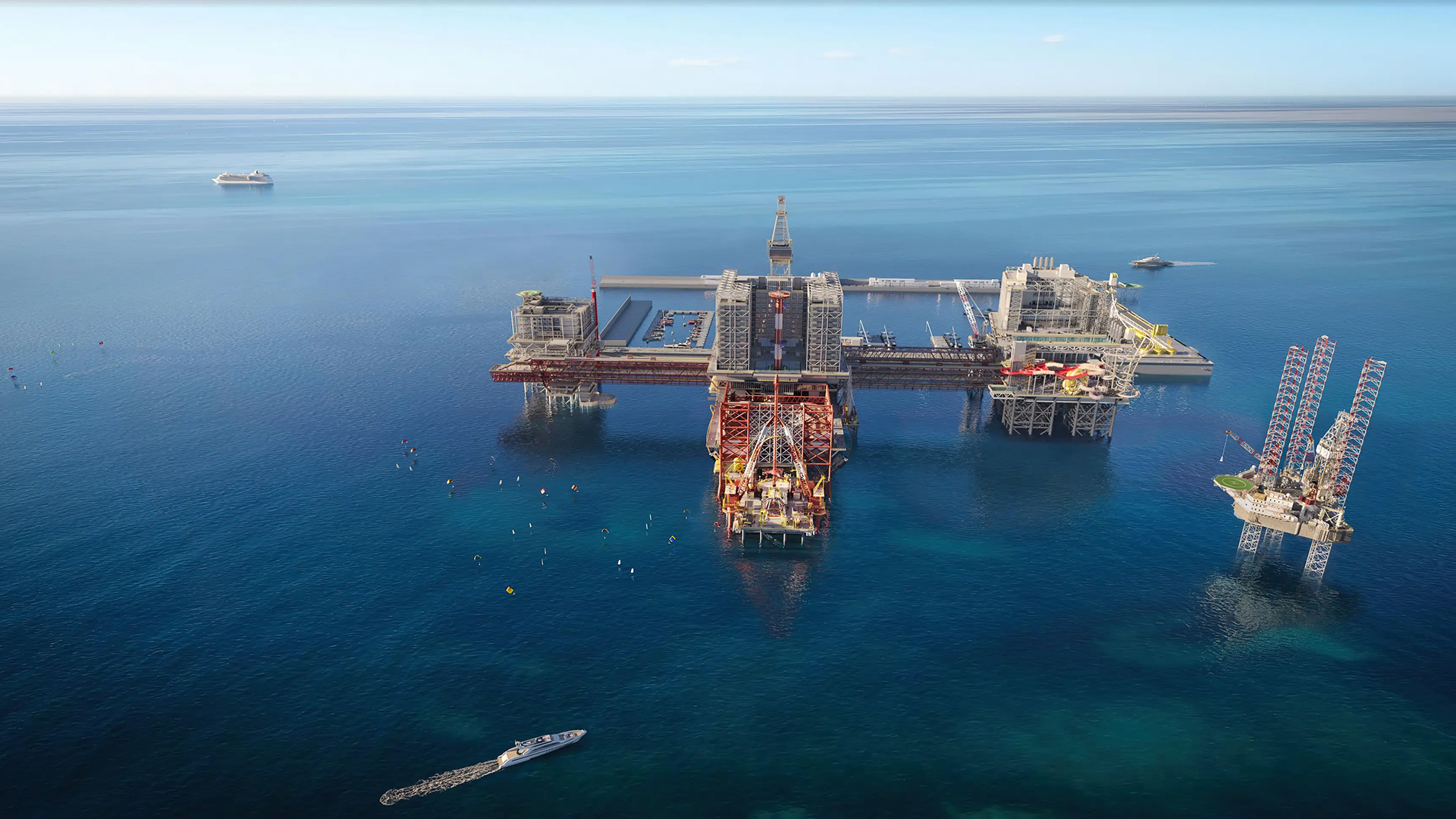
China Says It Swapped a Damaged Oil Well Casing Nearly 6,000 Feet Down, a Claimed Record
Xinjiang Oilfield, part of CNPC, reports replacing a damaged well casing at nearly 6,000 feet and calls it a record, per Interesting Engineering. Technical details and independent verification are not yet available.
Roku Remote Blinking Green? Don't Panic, It's Usually Just Hungry for Batteries
A flashing green light on a Roku remote usually means low batteries or pairing, per Engadget. Rapid flashing after re-pairing suggests a broken remote. Restarting it or using your phone are easy workarounds.
💬 Comments