Fitbit on your ankle? It catches more steps, but your heart-rate data may be left hanging
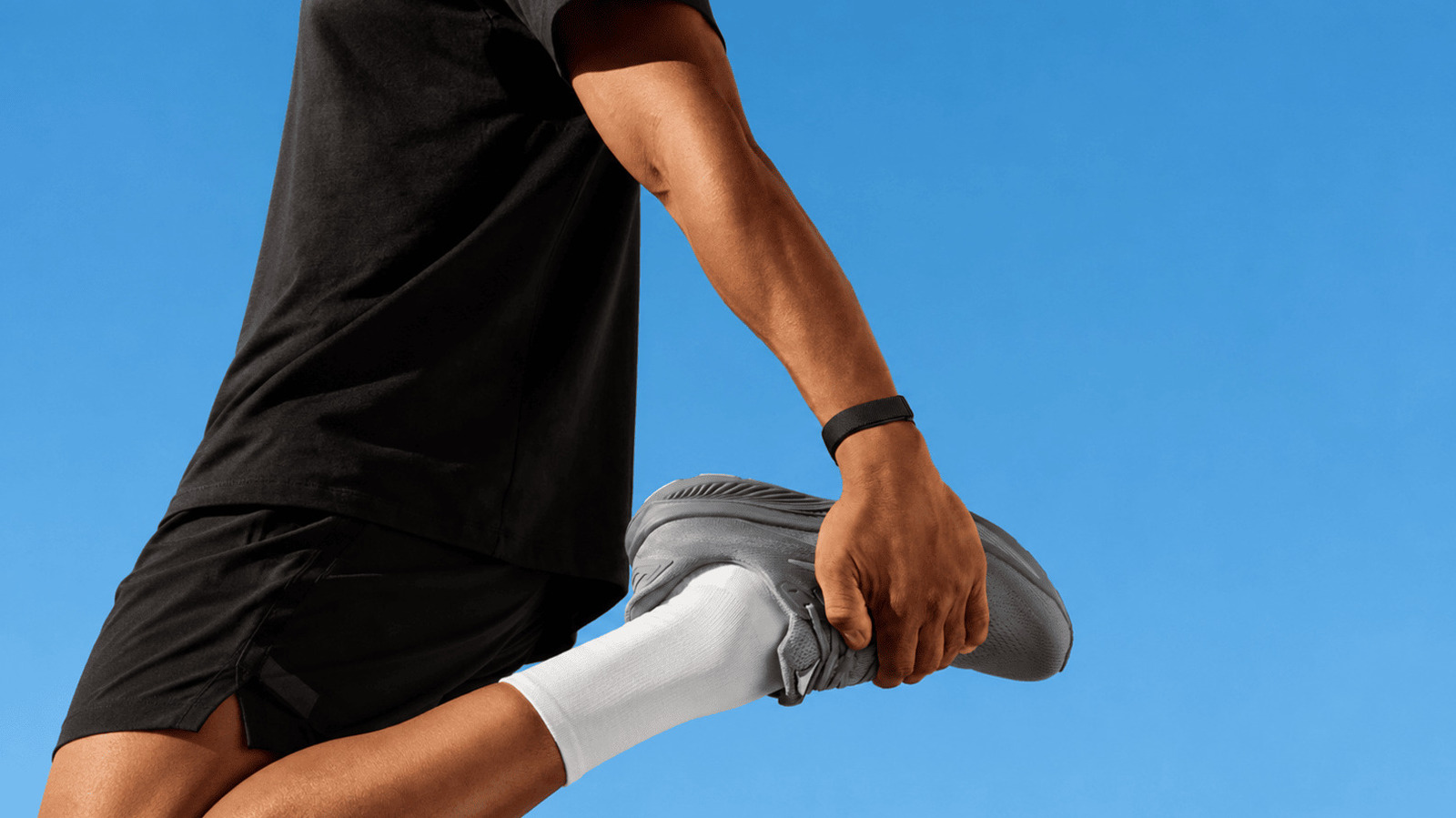
Some Fitbit owners are moving their trackers from wrist to ankle, and according to Engadget, the odd-looking trick can fix a real problem: steps that go uncounted when your arms aren't swinging.
The logic is simple. Fitbit trackers use accelerometers to spot walking patterns, and a wrist sensor can miss steps when your hands stay put. Google acknowledges that pushing a stroller or shopping cart can cause missed steps, and typing at a walking-pad desk creates the same issue. An ankle-worn tracker measures leg movement directly, and it also frees your wrist if you dislike watches or your workplace bans them.
There is some research behind it. In a 2025 study of 11 healthy adults using a cane or two-wheeled walker, Fitbit Inspire 3 trackers on the hip and ankle had a combined average step-count error of 1.5 percent, while wrist readings were substantially less reliable. Engadget notes the sample was small and involved assisted walking, not everyday life. In a separate test, a Fitbit Versa 4 logged 1,510 steps on an ankle during a 30-minute stationary bike session, versus 180 on the wrist, though pedaling isn't really stepping.
Then come the downsides. Fitbit's optical sensors estimate pulse by measuring blood-volume changes through the skin, and Google advises a snug wrist fit. The company hasn't established comparable accuracy for the ankle. One reviewer's ankle-worn Fitbit Air caught walking-pad steps that a wrist-worn Pixel Watch 4 missed, but it also showed a 182 bpm heart-rate peak versus 129 bpm on the wrist. Four more walks didn't repeat the spike, so it isn't proof of anything. A separate test also found the tracker failed to record sleep on the ankle.
Comfort and convenience count too. Standard bands may be too short, aftermarket ankle straps cost extra, a loose tracker can rub against socks or shoes, and checking notifications is awkward. The Fitbit Inspire 3 has an official clothing clip option, but that mode drops heart-rate tracking, Active Zone Minutes and automatic exercise tracking.
Why it matters
Wearables are sold on data accuracy, and people make health and fitness decisions based on those numbers. This shows how placement can change readings, and why a tracker used outside its intended design may give misleading metrics. Before buying straps or accessories, it's worth knowing what you give up.
Key points
- Ankle placement can catch steps missed on the wrist during stroller, cart or walking-pad use.
- A 2025 study of 11 adults found a 1.5 percent combined step error for hip and ankle placement.
- Google hasn't established ankle accuracy for heart rate, and one test failed to record sleep.
Written by the PixelContent newsroom from public reports. Original reporting: Engadget.
Get the news that moves your money
Breaking news, market calls and the weirdest true stories in your inbox. Free.
No spam. Unsubscribe anytime.
More stories

Trump Dials Into Nvidia Board Meeting, Jensen Huang Gets His Job Back, Shares Jump 34%
Nvidia's board reinstated CEO Jensen Huang after Trump joined a board meeting by phone, and shares surged over 34 percent. Democrats demand answers on national security and chip export controls.

Gizmodo's Tech Editor Digs Up 8 Underrated Gifts Missing From Other Holiday Lists
Gizmodo's Raymond Wong has published his second annual list of eight underrated tech gifts, drawn from his own online orders and aimed at items other holiday guides overlook.
Drowning in AI slop? Here's which social platforms let you turn down the sludge
Engadget's guide says Pinterest, LinkedIn and TikTok let users reduce AI slop, while Instagram, Facebook, YouTube and X require training your algorithm. A fully reliable block may not be possible.

Your Closed Support Tickets Might Be AI Training Gold, Says a Data-Licensing Startup
SourceX says companies could license approved records like support tickets and workflows to train AI. It advertises large potential payouts, but stresses they are not typical or guaranteed and depend on qualification and signed terms.

China Says It Swapped a Damaged Oil Well Casing Nearly 6,000 Feet Down, a Claimed Record
Xinjiang Oilfield, part of CNPC, reports replacing a damaged well casing at nearly 6,000 feet and calls it a record, per Interesting Engineering. Technical details and independent verification are not yet available.
Roku Remote Blinking Green? Don't Panic, It's Usually Just Hungry for Batteries
A flashing green light on a Roku remote usually means low batteries or pairing, per Engadget. Rapid flashing after re-pairing suggests a broken remote. Restarting it or using your phone are easy workarounds.
💬 Comments