US Intel Says Russia Is Developing a Nuclear Weapon for Space That Could Threaten Thousands of Satellites

A U.S. intelligence assessment says Russia is developing a satellite designed to carry a nuclear device, according to a report from Interesting Engineering. The headline of that report says such a weapon could degrade thousands of satellites. The full text of the original article was not available, so many details remain unclear.
The material does not say when the system might be ready, how it would work, or what evidence underpins the assessment. Those are significant gaps, and readers should treat the claim as an intelligence judgment, not a confirmed deployment.
Some context helps. Satellites underpin much of modern life, from GPS navigation and weather forecasting to bank transfers, streaming and military communications. A nuclear detonation in orbit is widely understood to be dangerous because its effects are not confined to one target. Radiation and charged particles can damage the electronics of many spacecraft at once, including those of the country that set it off.
That indiscriminate quality is why the idea is so alarming to governments and industry. Orbits are now crowded with commercial constellations, so an attack on one corner of space could ripple through telecoms, logistics and finance. International agreements, including the 1967 Outer Space Treaty, bar placing nuclear weapons in orbit, which makes any such program a diplomatic flashpoint.
For now, the story is about an assessment, not an event. Further official statements, reactions from Moscow and any detail on the technology will determine how seriously markets and policymakers respond.
Why it matters
Satellites carry navigation, communications, weather data and financial timing signals, so a threat to many at once is a threat to everyday commerce. Any escalation in space could raise insurance costs and defense spending and spook investors in satellite businesses.
Key points
- A U.S. intelligence assessment reportedly says Russia is developing a nuclear-capable satellite.
- The weapon could degrade thousands of satellites, per the report's headline.
- Specifics on timing, technology and evidence were not available in the material.
Written by the PixelContent newsroom from public reports. Original reporting: Interesting Engineering.
Get the news that moves your money
Breaking news, market calls and the weirdest true stories in your inbox. Free.
No spam. Unsubscribe anytime.
More stories

Trump Dials Into Nvidia Board Meeting, Jensen Huang Gets His Job Back, Shares Jump 34%
Nvidia's board reinstated CEO Jensen Huang after Trump joined a board meeting by phone, and shares surged over 34 percent. Democrats demand answers on national security and chip export controls.

Gizmodo's Tech Editor Digs Up 8 Underrated Gifts Missing From Other Holiday Lists
Gizmodo's Raymond Wong has published his second annual list of eight underrated tech gifts, drawn from his own online orders and aimed at items other holiday guides overlook.

Drowning in AI slop? Here's which social platforms let you turn down the sludge
Engadget's guide says Pinterest, LinkedIn and TikTok let users reduce AI slop, while Instagram, Facebook, YouTube and X require training your algorithm. A fully reliable block may not be possible.

Your Closed Support Tickets Might Be AI Training Gold, Says a Data-Licensing Startup
SourceX says companies could license approved records like support tickets and workflows to train AI. It advertises large potential payouts, but stresses they are not typical or guaranteed and depend on qualification and signed terms.

China Says It Swapped a Damaged Oil Well Casing Nearly 6,000 Feet Down, a Claimed Record
Xinjiang Oilfield, part of CNPC, reports replacing a damaged well casing at nearly 6,000 feet and calls it a record, per Interesting Engineering. Technical details and independent verification are not yet available.
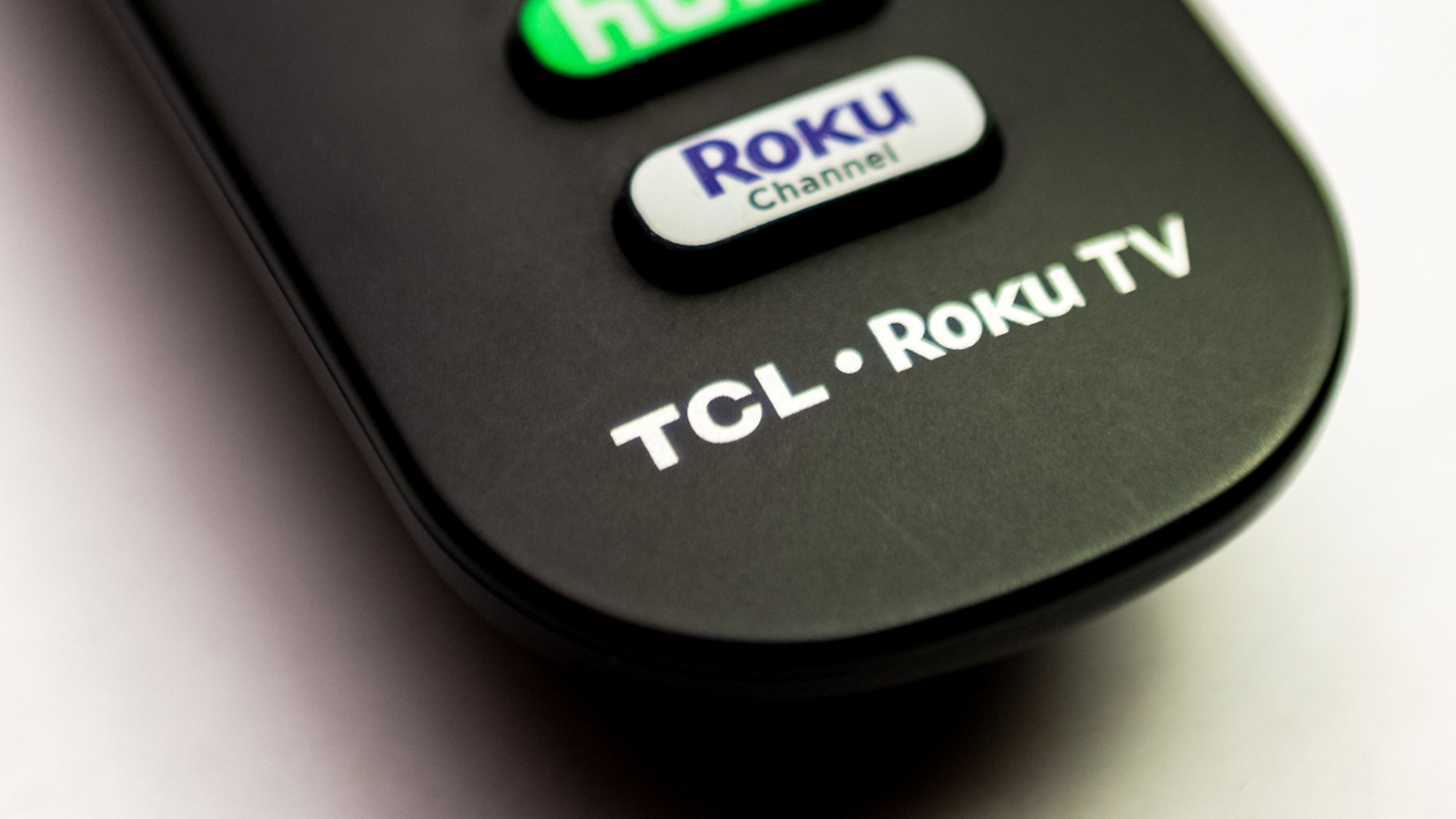
Roku Remote Blinking Green? Don't Panic, It's Usually Just Hungry for Batteries
A flashing green light on a Roku remote usually means low batteries or pairing, per Engadget. Rapid flashing after re-pairing suggests a broken remote. Restarting it or using your phone are easy workarounds.
💬 Comments