Boom's supersonic engine core roars to life, but data centers get the first ride

Boom Supersonic has successfully fired up the prototype core of its own jet engine, the company said, in a test on November 21 at its site at Colorado Air and Space Port, east of Denver. According to New Atlas, it lit on the second attempt, after CEO Blake Scholl put the odds of success below 50%.
The core, called the Sprint Core, reached 6,500 rpm while nearly 2,000 sensors streamed data, Scholl told Aviation Week. The run was deliberately short, and Boom plans to push it harder over the next couple of months.
It is the heart of two machines. Symphony wraps the core in a fan to produce about 40,000 lb of thrust for Overture, Boom's planned Mach 1.7 airliner. Superpower drops the fan and uses the hot gases to spin a turbine connected to a generator, making a 42-MW gas turbine for AI data centers. The two share more than 75% of their parts, according to Boom.
The company built its own engine because it had to. Rolls-Royce, its partner since 2020, left the project, GE and Safran passed, and Pratt & Whitney said supersonic engines were not in its plans. Boom has 130 orders and pre-orders for Overture from United, American Airlines and Japan Airlines.
The turbines are meant to pay the bills first. Data centers are scrambling for power, and gas turbines are in short supply. Still, Crusoe's order for 29 turbines worth $1.25 billion fell apart in September. Scholl says other customers will receive about 250 MW next year, without naming them. Boom targets 25 turbines a year by 2028 and 50 by 2029, with first deliveries in mid-2027.
The airliner is the shakier part. The official 2029 target is slipping: United CEO Scott Kirby said it will take longer, and Scholl admitted Overture might arrive a year or two late. A full engine test is expected around mid-2027.
Why it matters
AI's hunger for power has turned gas turbines into scarce goods, and Boom is betting that selling them can fund a supersonic dream. The lost Crusoe deal shows how fragile that bet is for investors and airline partners alike.
Key points
- Boom lit its Sprint Core on the second try on November 21, reaching 6,500 rpm.
- The core will power both the Overture airliner's Symphony engine and the 42-MW Superpower turbine for data centers.
- Superpower deliveries start mid-2027, while Overture's 2029 target is slipping.
Written by the PixelContent newsroom from public reports. Original reporting: New Atlas.
Get the news that moves your money
Breaking news, market calls and the weirdest true stories in your inbox. Free.
No spam. Unsubscribe anytime.
More stories

Trump Dials Into Nvidia Board Meeting, Jensen Huang Gets His Job Back, Shares Jump 34%
Nvidia's board reinstated CEO Jensen Huang after Trump joined a board meeting by phone, and shares surged over 34 percent. Democrats demand answers on national security and chip export controls.

Gizmodo's Tech Editor Digs Up 8 Underrated Gifts Missing From Other Holiday Lists
Gizmodo's Raymond Wong has published his second annual list of eight underrated tech gifts, drawn from his own online orders and aimed at items other holiday guides overlook.
Drowning in AI slop? Here's which social platforms let you turn down the sludge
Engadget's guide says Pinterest, LinkedIn and TikTok let users reduce AI slop, while Instagram, Facebook, YouTube and X require training your algorithm. A fully reliable block may not be possible.

Your Closed Support Tickets Might Be AI Training Gold, Says a Data-Licensing Startup
SourceX says companies could license approved records like support tickets and workflows to train AI. It advertises large potential payouts, but stresses they are not typical or guaranteed and depend on qualification and signed terms.
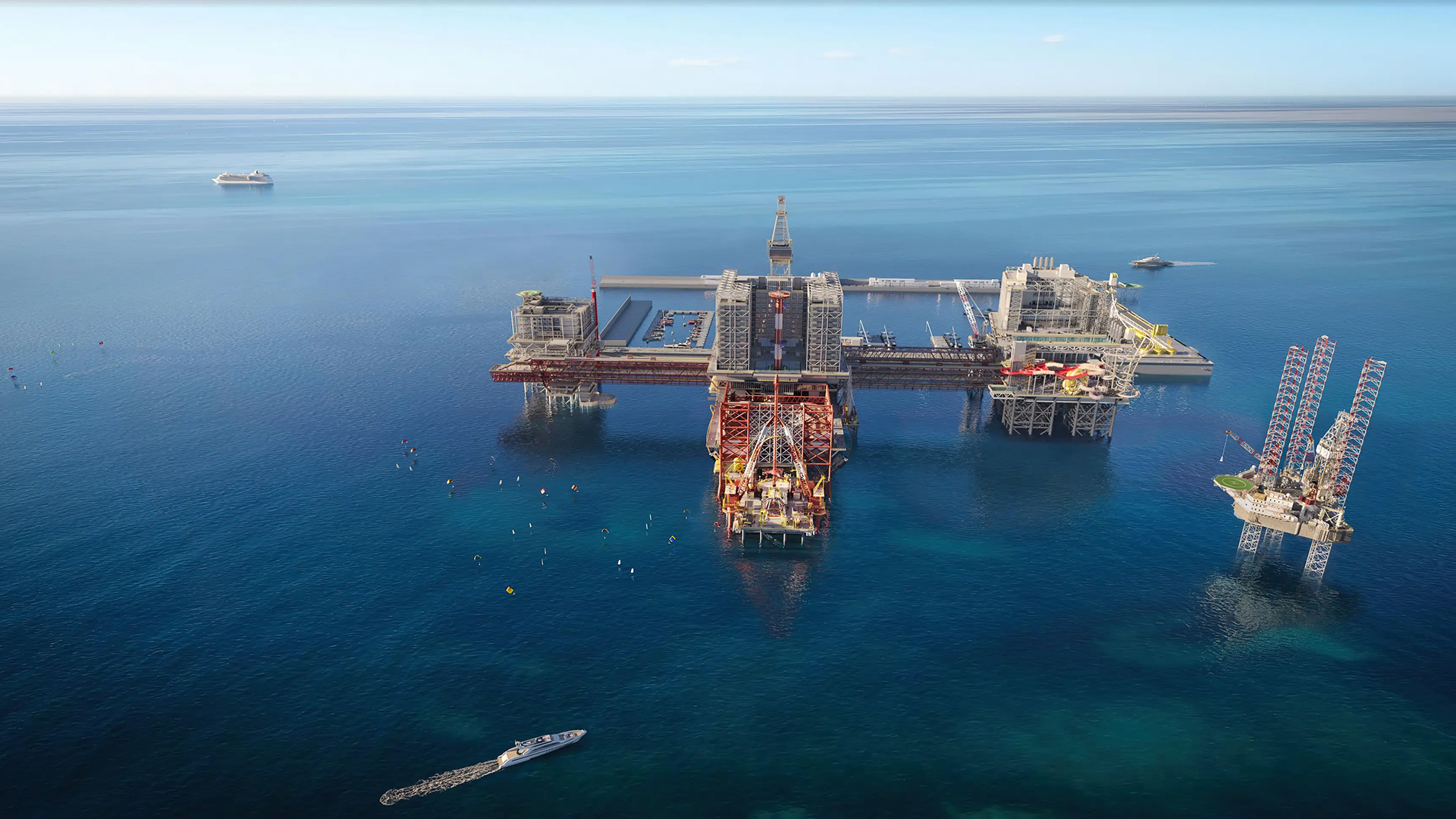
China Says It Swapped a Damaged Oil Well Casing Nearly 6,000 Feet Down, a Claimed Record
Xinjiang Oilfield, part of CNPC, reports replacing a damaged well casing at nearly 6,000 feet and calls it a record, per Interesting Engineering. Technical details and independent verification are not yet available.
Roku Remote Blinking Green? Don't Panic, It's Usually Just Hungry for Batteries
A flashing green light on a Roku remote usually means low batteries or pairing, per Engadget. Rapid flashing after re-pairing suggests a broken remote. Restarting it or using your phone are easy workarounds.
💬 Comments