Starlink in 2020 vs. 2026: Cheaper Monthly Bills, But Your Mileage (and ZIP Code) May Vary
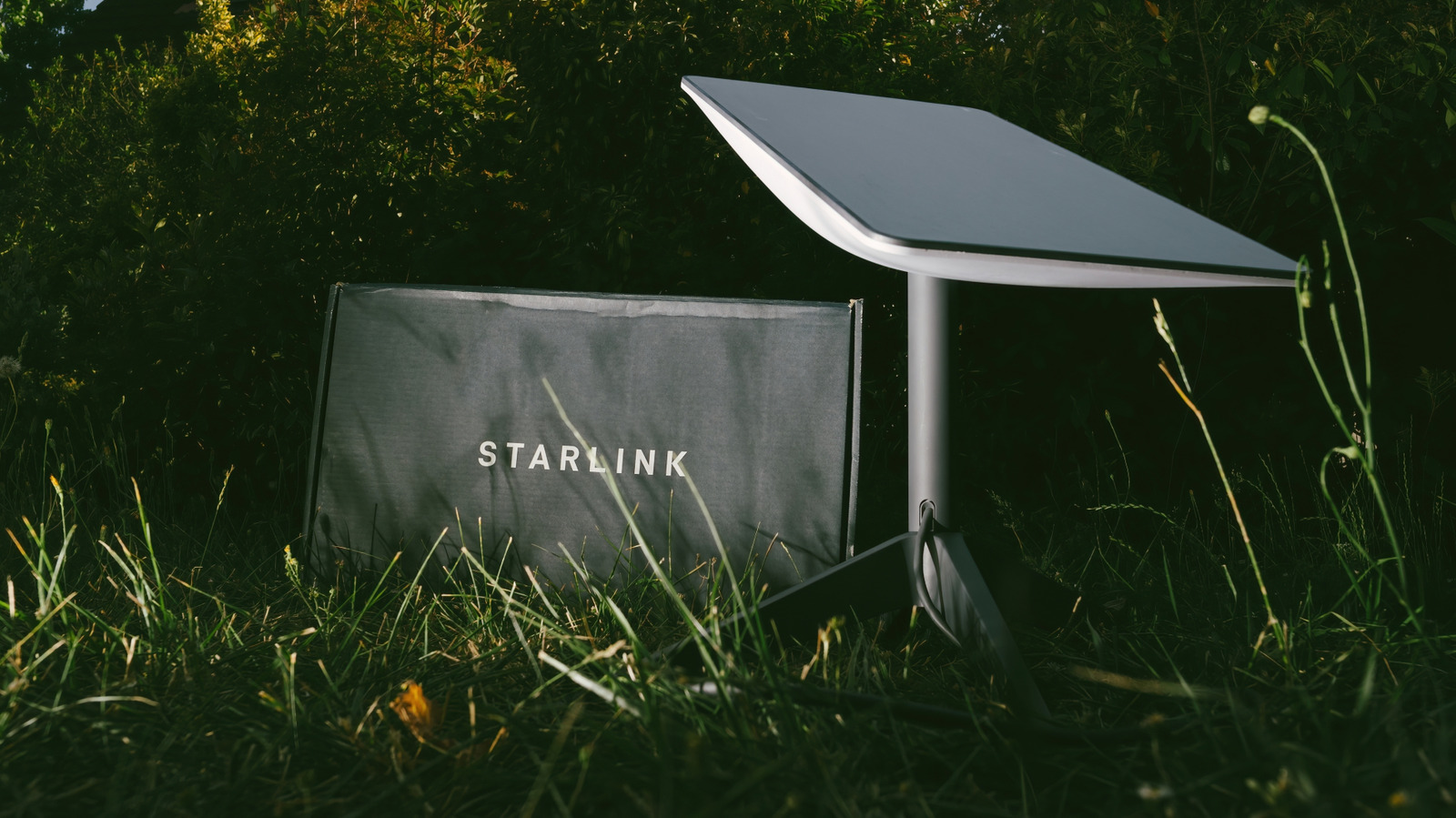
Starlink's cheapest US home plan now costs $55 a month, which is $44 less than the $99 monthly fee in the October 2020 public beta, according to Engadget. That works out to $528 a year in savings on the subscription alone, though the full picture is messier.
The 2020 launch was branded the "Better Than Nothing Beta," and it was refreshingly honest. Customers were told to expect download speeds of 50 to 150 Mbps, latency of 20 to 40ms and the occasional stretch of no connection at all. The $499 hardware kit included the original round dish, a mounting tripod and a Wi-Fi router. Add the first $99 payment and the opening bill was $598, before shipping and taxes. A full first year at that rate would have run $1,687 including equipment.
Prices then wandered upward. SpaceX raised the monthly rate to $110 in March 2022, with existing users hit in April, and blamed inflation. Hardware rose to $599 for new customers and $549 for those with existing deposits. By 2023, pricing depended on location: $90 where network capacity was spare and $120 where it was tight.
Today there are three main residential plans: Residential 100 Mbps at $55, Residential 200 Mbps at $85 and Residential Max at $130. All offer unlimited data, but the first two have speed caps. Max gets higher network priority and claims speeds of 400 Mbps or more in suitable conditions. In select areas, the equipment can be rented with no upfront cost, which lowers the barrier to entry but changes the ownership picture. SpaceX also raised residential rates in 2026, though the entry-level price is still below its 2020 level.
Engadget notes that discounts and demand-based regional pricing mean two neighbors in different places could pay very different bills for the same service. Starlink can cost more than cable, fiber or 5G home internet, but its value is availability for people stuck with slow DSL or unreliable cellular. The portable Roam plan costs $55 for 100GB of high-speed data, while Roam Unlimited is $175 a month.
Why it matters
Satellite internet is a real alternative for people without good fiber or cable, so its pricing shapes household budgets in underserved areas. Demand-based regional rates and rental options show how SpaceX balances limited network capacity against growth, which matters for anyone comparing home internet costs.
Key points
- Entry plan is $55 a month in 2026 versus $99 in the 2020 beta, a $44 monthly drop.
- Hardware cost $499 in 2020; some areas now offer no-upfront equipment rentals.
- Current plans run $55, $85 and $130 monthly, with Roam options at $55 and $175.
Written by the PixelContent newsroom from public reports. Original reporting: Engadget.
Get the news that moves your money
Breaking news, market calls and the weirdest true stories in your inbox. Free.
No spam. Unsubscribe anytime.
More stories

Trump Dials Into Nvidia Board Meeting, Jensen Huang Gets His Job Back, Shares Jump 34%
Nvidia's board reinstated CEO Jensen Huang after Trump joined a board meeting by phone, and shares surged over 34 percent. Democrats demand answers on national security and chip export controls.

Gizmodo's Tech Editor Digs Up 8 Underrated Gifts Missing From Other Holiday Lists
Gizmodo's Raymond Wong has published his second annual list of eight underrated tech gifts, drawn from his own online orders and aimed at items other holiday guides overlook.

Drowning in AI slop? Here's which social platforms let you turn down the sludge
Engadget's guide says Pinterest, LinkedIn and TikTok let users reduce AI slop, while Instagram, Facebook, YouTube and X require training your algorithm. A fully reliable block may not be possible.

Your Closed Support Tickets Might Be AI Training Gold, Says a Data-Licensing Startup
SourceX says companies could license approved records like support tickets and workflows to train AI. It advertises large potential payouts, but stresses they are not typical or guaranteed and depend on qualification and signed terms.

China Says It Swapped a Damaged Oil Well Casing Nearly 6,000 Feet Down, a Claimed Record
Xinjiang Oilfield, part of CNPC, reports replacing a damaged well casing at nearly 6,000 feet and calls it a record, per Interesting Engineering. Technical details and independent verification are not yet available.
Roku Remote Blinking Green? Don't Panic, It's Usually Just Hungry for Batteries
A flashing green light on a Roku remote usually means low batteries or pairing, per Engadget. Rapid flashing after re-pairing suggests a broken remote. Restarting it or using your phone are easy workarounds.
💬 Comments