Half of Trump memecoin dinner wallets got tokens via non-US exchanges, watchdog says
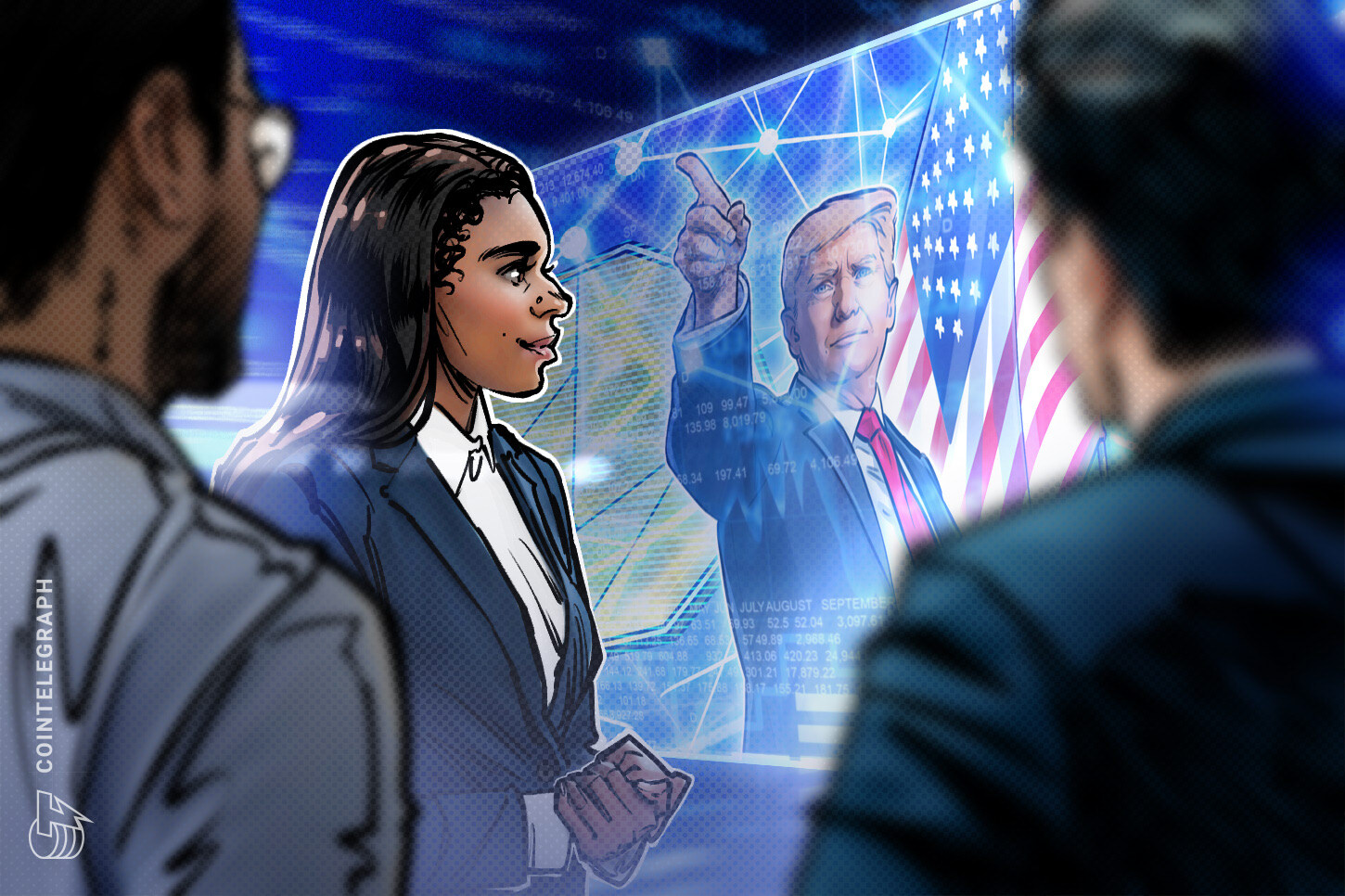
Public Citizen, a watchdog group, says it traced 66 of 130 qualifying wallets on the guest list for Trump's memecoin dinner back to exchanges that restrict US users, according to Cointelegraph. The dinner is set for Sunday.
The finding raises a pointed question: who exactly is getting a seat at the table? The teaser does not say how the wallets were identified or what the exchanges involved are, and the full report was not available to us, so details of the methodology remain unclear.
The numbers are simple enough. Out of 130 wallets that qualified, roughly half received their tokens from platforms that bar American customers. That does not by itself show wrongdoing, and nothing in the material says who owns the wallets. But it does suggest a sizeable share of the holders may sit outside the US.
Context matters here. Memecoin-linked events tied to a sitting political figure have drawn scrutiny over transparency and potential conflicts of interest, since holders can buy influence or access with a few clicks. Blockchain activity is public, yet wallet owners are typically anonymous, which is why watchdogs like Public Citizen trace transfers to work out where tokens came from.
For readers, the takeaway is that on-chain transparency only goes so far. You can see the money move, but not necessarily who is behind it. Until more is known about the attendees, expect continued questions about foreign participation in politically connected crypto ventures.
Why it matters
Politically linked tokens blur the line between investing and buying access, and foreign-sourced holdings add a layer of regulatory and ethical questions. It also shows how watchdogs use public blockchain data to scrutinize crypto tied to powerful figures.
Key points
- Public Citizen traced 66 of 130 qualifying wallets to exchanges restricting US users.
- The memecoin dinner is scheduled for Sunday.
- The findings raise questions about attendees, though wallet ownership is not confirmed.
Written by the PixelContent newsroom from public reports. Original reporting: Cointelegraph.
Get the news that moves your money
Breaking news, market calls and the weirdest true stories in your inbox. Free.
No spam. Unsubscribe anytime.
More stories

Nvidia Brings Jensen Huang Back as CEO, Days After Board Said No Return
Nvidia's board reinstated Jensen Huang as CEO days after ruling out his return, citing input from senior U.S. officials on national security. Shares reportedly surged 26% premarket, according to Decrypt.

Bitcoin bounces 17% off $55K lows as Nvidia-fueled risk rally triggers $500M in liquidations
Bitcoin jumped about 17% from $55,000 lows to $64,500 as risk assets rallied on Nvidia CEO Jensen Huang's reinstatement, while over $500 million in crypto positions were liquidated in four hours, Cointelegraph reported.

Strategy Buys 457 Bitcoin While Spending $212M Buying Back Its Own Preferred Shares
Strategy bought 457 Bitcoin and spent $212 million repurchasing preferred shares, raising its buyback limit to $4 billion and authorizing up to $1 billion to move from its dollar reserve, Cointelegraph reported.
Bitcoin Bounces Back Above $61,000 After Weekend Dive to Two-Year Low
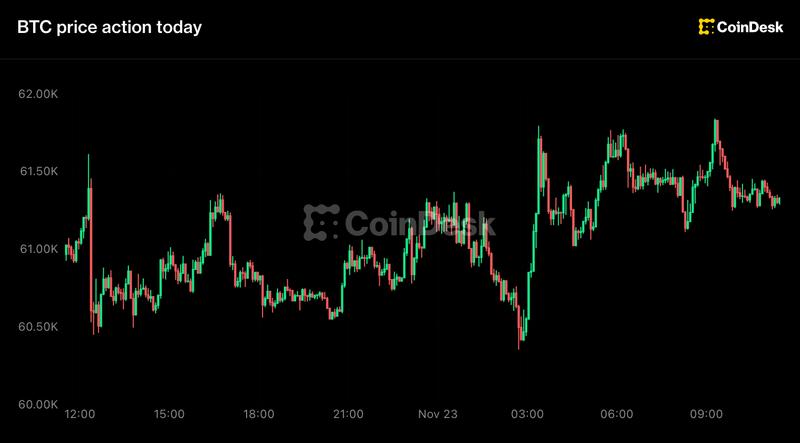
Bitcoin rebounded above $61,000 after a weekend drop to nearly $55,500, its lowest in over two years, as Nasdaq futures rose 3% and Nvidia rallied following an AI-driven stock rout.
Bitcoin Tops $63,000 and Nasdaq Jumps 6% as Nvidia Brings Jensen Huang Back
Bitcoin rose above $63,000 and the Nasdaq jumped 6% after Nvidia's board reinstated Jensen Huang as president, CEO and director, according to CoinDesk.

AI agents are swiping credit cards, and crypto wonders if it got left on read
Cointelegraph reports AI agents are already paying with credit cards, prompting questions about whether crypto, long pitched as machine-friendly money, will find a role in the emerging agent economy.
💬 Comments