AI Conquered Chess, Yet Humans Still Pack the Arena: A Lesson for the Rest of Us

The Guardian is using the upcoming world chess championship to make a broader point about artificial intelligence. The match pits Uzbekistan's Javokhir Sindarov against India's Gukesh, two 20-year-old prodigies, and the outlet argues that chess offers a surprisingly hopeful lesson about what AI cannot replicate.
The setup is a neat irony. Chess was one of the first fields where machines left humans behind, and the game has been a shorthand for AI progress for years. Yet the human title fight is still happening, and still drawing attention, which is the heart of the Guardian's argument.
The material available here is only the headline and teaser, so the details of the piece's reasoning are not spelled out. The framing, however, is clear: the story of what came after the machines won is more encouraging than the one many people expect.
The general lesson is easy to see. Computers can out-calculate any human, but audiences do not watch a championship to see the best possible moves. They watch people make decisions under pressure, show nerve, and sometimes crack. That human drama is something an engine does not supply.
For workers and businesses nervous about AI, chess is a useful test case. If a field that was fully mastered by machines still values human competitors, then skills like judgment, personality and storytelling may keep their worth in other industries too, even as the tools get stronger.
Why it matters
Chess is a rare case where AI fully surpassed humans, so what happened afterward is a useful guide for other industries. It suggests human performance and personality can keep economic value even when machines are technically better. That matters for anyone weighing how AI might affect their career or spending.
Key points
- Sindarov of Uzbekistan and Gukesh of India, both 20, are set to meet in the world chess championship.
- The Guardian says chess shows what AI cannot replicate.
- The piece frames the aftermath of AI's chess dominance as a reason for hope.
Written by the PixelContent newsroom from public reports. Original reporting: The Guardian.
Get the news that moves your money
Breaking news, market calls and the weirdest true stories in your inbox. Free.
No spam. Unsubscribe anytime.
More stories

Trump reportedly dialed into Nvidia board meeting, and Jensen Huang is back as CEO
Nvidia reinstated Jensen Huang as CEO after Trump reportedly dialed into a board meeting to back him. Lawmakers still plan hearings, and questions linger over what the White House knew.

CrowdStrike Agrees to Buy Zscaler in $43.9 Billion All-Stock Cybersecurity Mega-Merger
CrowdStrike will buy Zscaler for $43.9 billion in stock, combining device protection with zero-trust security. The companies say it will help customers adopt AI safely. Regulatory approval is needed, with closing expected in about a year.
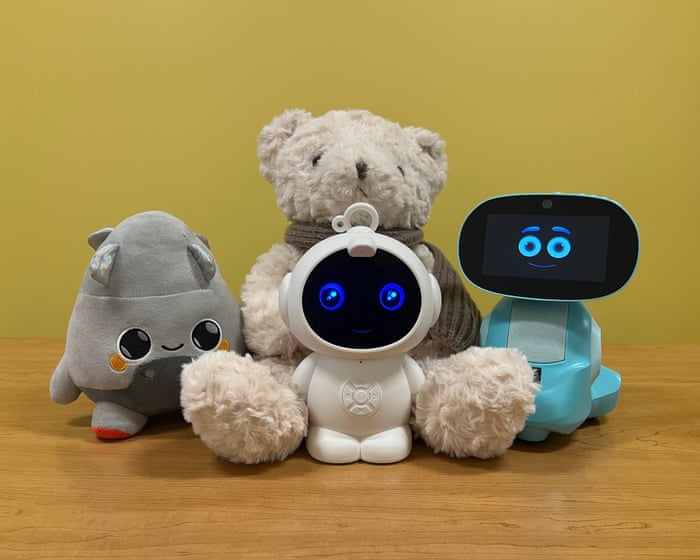
Child safety groups tell Amazon and eBay: pull AI toys until they're proved safe
More than 150 child safety groups and experts across six continents want Amazon and eBay to stop selling AI toys this Christmas until they're proved safe, citing privacy and inappropriate communication concerns.

White House says Trump was 'totally involved' in bringing Jensen Huang back as Nvidia CEO
The White House says Trump was 'totally involved' in Nvidia's decision to reinstate CEO Jensen Huang, and Nvidia says it received input from senior US government levels on national security concerns.

AirPods Pro 3 hit $149, the same price as the weaker AirPods 5
The AirPods Pro 3 dropped to $149 at Amazon and Walmart, 40 percent off their $249 list price. That matches the price of the AirPods 5, a less capable model, according to The Verge.

Meta's Gas Supplier Lobbied the EPA Before It Waived Acid Rain Rules for Data Center Plants
Documents show Williams, a gas supplier to Meta data centers, met EPA officials before the agency recommended exempting data-center power plants from acid rain rules. Critics worry about lost emissions reporting.
💬 Comments