Red Cross warns genie is escaping the bottle on autonomous weapons as UN talks stall
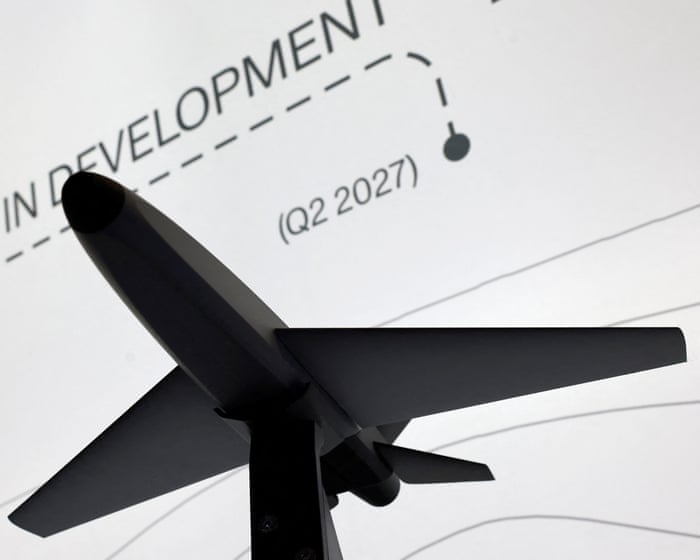
The International Committee of the Red Cross and several rights groups have warned that the window to regulate autonomous weapons is closing fast, according to The Guardian. The warning came as more than 120 states in the UN Convention on Certain Conventional Weapons wrapped up a week-long conference in Geneva.
The outcome was modest. Delegates agreed to discuss an instrument to regulate such weapons over the next two years, which rights groups said falls well short of the urgency required. Dr Cordula Droege of the ICRC said that if the technology stays unregulated, it will be "much more difficult to put the genie back in the bottle."
Autonomous weapons are military systems that act without human supervision, often using AI or robotics. Examples cited include AI-generated target banks, used by the Israeli military in Gaza, and semi-autonomous drones in Ukraine with "last-mile capability," where AI takes over the final approach to a target. ICRC president Mirjana Spoljaric Egger and UN Secretary General António Guterres have both called for a legally binding treaty. The ICRC wants a ban on using autonomous weapons against people, plus limits on their use and rules to keep them predictable.
Reported harm is already mounting. A Russian AI-guided drone killed three civilians in Zaporizhzhia in July after apparently missing a petrol station. A US strike in Iran that hit an elementary school and killed 156 civilians reportedly stemmed from faulty AI-gathered intelligence. Rights groups also say AI-assisted targeting in Gaza led to wrongful civilian deaths.
Anna Hehir of the Future of Life Institute warned about swarms of hundreds or thousands of autonomous drones, where a single algorithmic error could misdirect the whole group. Proliferation is another worry: the Houthis reportedly used Claude to "vibe code" ballistic missiles, and Sahel Islamist groups have reportedly used AI to improve drone ballistics.
One senior diplomat said the key point after 13 years of talks is that political will to get serious about regulation is finally present, even if the substance remains unsettled.
Why it matters
Military AI is a fast-growing segment for defense contractors and tech firms, and the rules set now will shape what they can build and sell. Regulatory delay lets industry and militaries set norms, which carries legal, reputational and investment risks. Cheap AI also lets non-state groups build weapons, raising security costs globally.
Key points
- More than 120 states ended a Geneva conference agreeing only to discuss a regulatory instrument over two years.
- The ICRC wants a binding treaty, including a ban on autonomous weapons targeting people.
- Reported civilian deaths and AI use by non-state groups fuel fears of proliferation and swarm weapons.
Written by the PixelContent newsroom from public reports. Original reporting: The Guardian.
More stories

Nintendo Switch 2 Gets a $50 Black Friday Haircut, But Only One Bundle Qualifies
Nintendo is discounting its Switch 2 Mario Kart World bundle by $50 to $499.99 from November 22 through December 5, temporarily reversing a September price hike. The Sports Resort bundle stays at $529.99.

GTA VI finally lands after 13 years, and players are mostly doing chores and birdwatching
Grand Theft Auto VI has launched after 13 years, and fans told the Guardian they are enjoying domestic chores, exploration and a healthier central relationship as much as the crime and chaos.

California AG Subpoenas Nvidia Over Ex-CEO Jensen Huang's Alleged Ties to a Suspected Chinese Spy
California's attorney general subpoenaed Nvidia to probe whether chips or secrets reached China through ex-CEO Jensen Huang's alleged ties to a suspected Chinese spy, and whether investors were misled.

Switch 2 Black Friday: $20 off Donkey Kong Bananza and more big Nintendo games
Nintendo and major retailers are cutting $20 off top Switch 2 games like Donkey Kong Bananza for Black Friday. Some sales end November 29th, while eShop deals run through December 2nd.

Tamagotchi turns 30: the beeping keychain that made a generation parent pixels
The Verge marks Tamagotchi's 30th anniversary with a Version History episode on the digital pet's origins, versions and engagement tactics, and whether anyone could stand it today. Spoiler: they couldn't.

Banks to AI Agents: Stay Out of Our Vaults, and Any Mistakes Are Your Problem
Wells Fargo, JPMorgan Chase, Bank of America, Citi and PNC are restricting or warning against third-party AI agents, putting the risk of bot errors on customers while building their own AI tools, Wired reports.