'MoldyRoost' Ad Campaign Can Lift Crypto Recovery Phrases From iPhones With One Tap
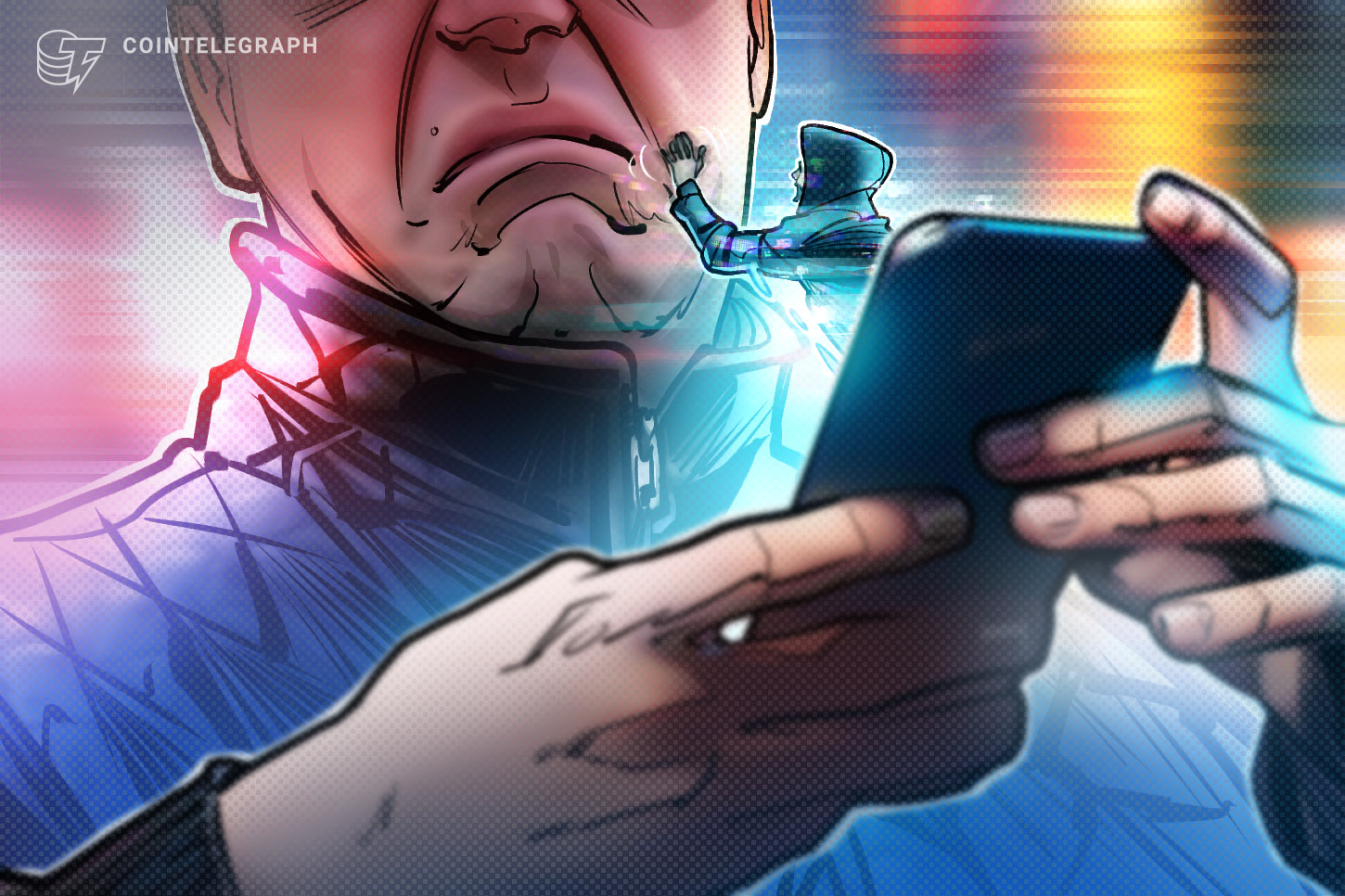
A malicious advertising campaign dubbed 'MoldyRoost' can steal crypto wallet recovery phrases from iPhones, according to a Cointelegraph report published on November 23, 2026. The operation reportedly used at least 480 ad domains to reach users in more than 47 countries.
The most unsettling detail is how little the victim has to do. According to the report, a single tap could be enough to infect a vulnerable iPhone. The word 'vulnerable' matters here: the attack appears to depend on devices that are not fully protected, though the material available does not spell out the technical details.
The target is the recovery phrase, the string of words that works as the master key to a crypto wallet. Whoever holds it can typically move the funds, and unlike a bank transfer, a blockchain transaction usually cannot be reversed. That makes these phrases a favorite prize for criminals.
The campaign also shows why online ads remain a handy delivery route for attackers. Ads appear on legitimate sites, reach huge audiences and can be spread across many domains, which makes them harder to block one by one. Hundreds of domains across dozens of countries suggests an operation built for scale, not a one-off trick.
The report's source material does not say how many people were affected or how much was stolen, so those questions remain open. For now, the practical lessons are familiar ones: keep devices updated, be wary of tapping ads, and never type a recovery phrase into a website or app prompt you did not seek out yourself.
Why it matters
Crypto holders carry their own security, and a stolen recovery phrase usually means irreversible losses with no bank to call. Malicious ads show that risk can arrive through ordinary browsing. Keeping devices updated is now basic financial hygiene.
Key points
- 'MoldyRoost' used at least 480 ad domains targeting users in more than 47 countries.
- A single tap could infect a vulnerable iPhone, per the report.
- The goal is stealing crypto wallet recovery phrases, which can unlock funds.
Written by the PixelContent newsroom from public reports. Original reporting: Cointelegraph.
Get the news that moves your money
Breaking news, market calls and the weirdest true stories in your inbox. Free.
No spam. Unsubscribe anytime.
More stories

Nvidia Brings Jensen Huang Back as CEO, Days After Board Said No Return
Nvidia's board reinstated Jensen Huang as CEO days after ruling out his return, citing input from senior U.S. officials on national security. Shares reportedly surged 26% premarket, according to Decrypt.

Bitcoin bounces 17% off $55K lows as Nvidia-fueled risk rally triggers $500M in liquidations
Bitcoin jumped about 17% from $55,000 lows to $64,500 as risk assets rallied on Nvidia CEO Jensen Huang's reinstatement, while over $500 million in crypto positions were liquidated in four hours, Cointelegraph reported.

Strategy Buys 457 Bitcoin While Spending $212M Buying Back Its Own Preferred Shares
Strategy bought 457 Bitcoin and spent $212 million repurchasing preferred shares, raising its buyback limit to $4 billion and authorizing up to $1 billion to move from its dollar reserve, Cointelegraph reported.
Bitcoin Bounces Back Above $61,000 After Weekend Dive to Two-Year Low
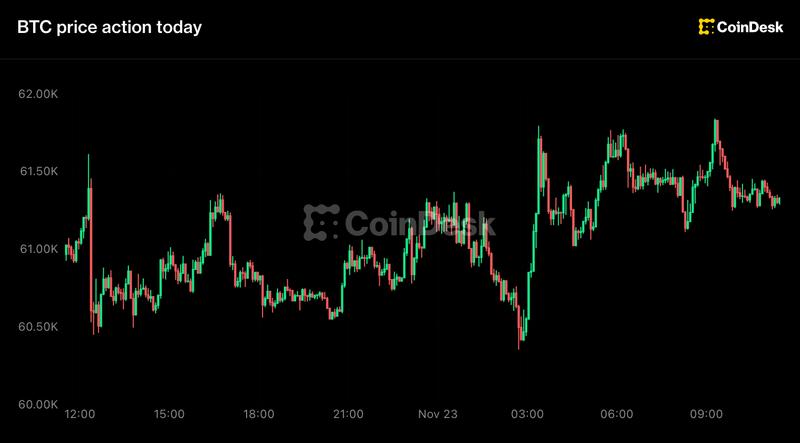
Bitcoin rebounded above $61,000 after a weekend drop to nearly $55,500, its lowest in over two years, as Nasdaq futures rose 3% and Nvidia rallied following an AI-driven stock rout.
Bitcoin Tops $63,000 and Nasdaq Jumps 6% as Nvidia Brings Jensen Huang Back
Bitcoin rose above $63,000 and the Nasdaq jumped 6% after Nvidia's board reinstated Jensen Huang as president, CEO and director, according to CoinDesk.

AI agents are swiping credit cards, and crypto wonders if it got left on read
Cointelegraph reports AI agents are already paying with credit cards, prompting questions about whether crypto, long pitched as machine-friendly money, will find a role in the emerging agent economy.
💬 Comments