Ozempic and Friends Might Free Up Farmland Bigger Than Italy, Researchers Say
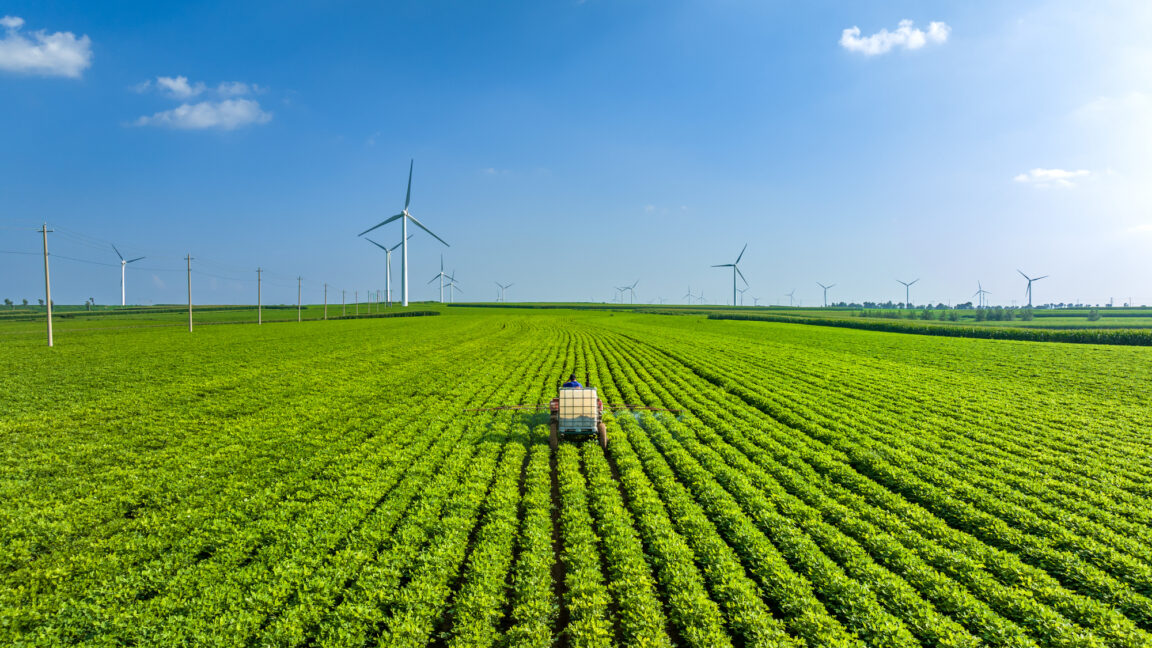
Weight-loss drugs like Ozempic and Wegovy may reshape more than waistlines. According to researchers Roslyn Henry of the University of Aberdeen and Peter Alexander of the University of Edinburgh, widespread use of GLP-1 medicines could change global food demand enough to free up to 32 million hectares of agricultural land, slightly more than the area of Italy. Their analysis was published on The Conversation and republished by Ars Technica.
The team used a computer simulation of the global food system, testing scenarios from GLP-1 use concentrated in wealthy countries to broad global access. The logic is simple: if people eat less, producers respond, and that shifts production, prices, trade and how much land farming requires.
Under widespread use among adults with obesity, the researchers estimate reduced calorie intake could prevent up to 6.6 million deaths a year by 2050. Pair the drugs with a shift toward healthier diets and the numbers climb: up to 7 million deaths avoided annually and around 46 million hectares of farmland freed for other uses.
There is a twist, though. Because food systems are linked across borders, falling demand from GLP-1 users could make food cheaper. Cheaper food might nudge people who aren't on the drugs to eat more, eating into some of the benefit. In other words, a pill taken in one kitchen can ripple through supply chains far away.
The authors are careful about the moral of the story. They argue the findings are not a case for putting everyone on medication, nor a reason to pin environmental responsibility on people living with obesity. They point out that diets are shaped by price, availability, marketing and convenience, and say the goal should be a food environment where healthier choices are the easy ones. Medication, in their view, should complement that change rather than let the wider food system off the hook.
Why it matters
Shifts in food demand from popular drugs could ripple through crop markets, food prices and land use. Investors, farmers and policymakers may need to consider how a health trend can reshape agriculture and trade.
Key points
- Widespread GLP-1 use could free up to 32 million hectares of farmland, slightly larger than Italy.
- Combined with healthier diets, up to 7 million deaths a year and about 46 million hectares could be spared by 2050.
- Cheaper food from lower demand might lead non-users to eat more, offsetting some gains.
Written by the PixelContent newsroom from public reports. Original reporting: Ars Technica.
More stories

Switch 2 Black Friday: $20 off Donkey Kong Bananza and more big Nintendo games
Nintendo and major retailers are cutting $20 off top Switch 2 games like Donkey Kong Bananza for Black Friday. Some sales end November 29th, while eShop deals run through December 2nd.

Nintendo Switch 2 Gets a $50 Black Friday Haircut, But Only One Bundle Qualifies
Nintendo is discounting its Switch 2 Mario Kart World bundle by $50 to $499.99 from November 22 through December 5, temporarily reversing a September price hike. The Sports Resort bundle stays at $529.99.

Amazon's Brand-New Alexa Photo Frame Already Gets a Black Friday Haircut, Starting at $114
Amazon's Alexa Photo Frame, announced less than a month ago, is already discounted for Black Friday, starting at $114 at Amazon and Best Buy, according to The Verge.

GTA VI finally lands after 13 years, and players are mostly doing chores and birdwatching
Grand Theft Auto VI has launched after 13 years, and fans told the Guardian they are enjoying domestic chores, exploration and a healthier central relationship as much as the crime and chaos.
Lutnick Under Fire: Chip Scandal Puts Trump's Commerce Chief in Congress's Crosshairs
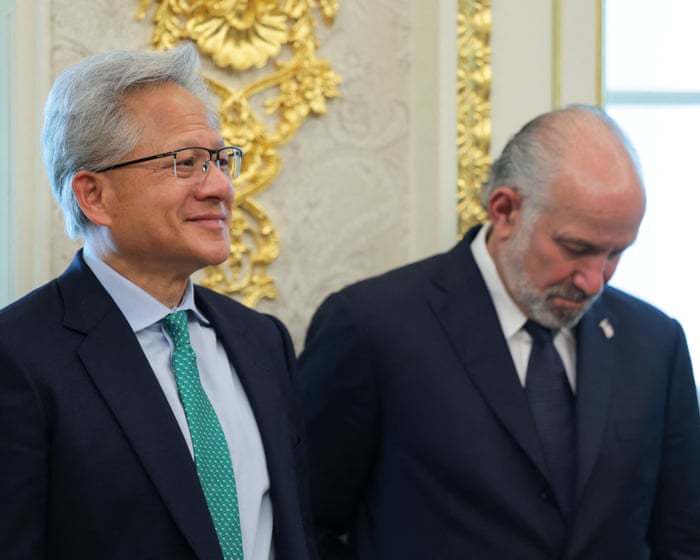
Commerce Secretary Howard Lutnick faces bipartisan pressure over stalled enforcement against a firm allegedly diverting $4bn in Nvidia chips to China. Trump backs him, but congressional probes loom.
Anthropic mathematician says Claude helped prove the Riemann hypothesis, and two groups say it checks out
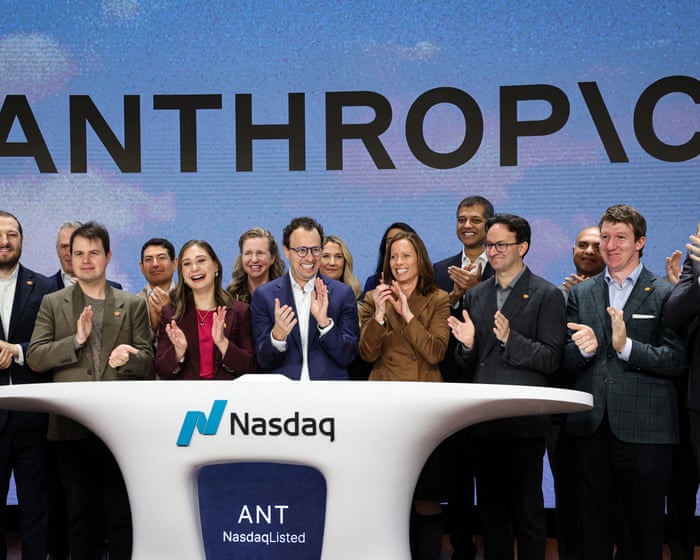
An Anthropic mathematician says Claude helped him prove the Riemann hypothesis in about six weeks. The Lean Focused Research Organization and the Mathlib Initiative say they verified the proof independently.