China's Spy Agency Reportedly Ran a Secret Hunt for A.I. Chips, Years Before the Nvidia Scandal

China's main espionage agency has been running a covert campaign to help Chinese companies get hold of advanced artificial intelligence chips, and to collect intelligence on the A.I. sector, according to The New York Times, which cited officials. The headline says the effort began years before a scandal involving Nvidia came to light.
The material available to us is brief, so many details remain unclear, including which agency units were involved, which companies benefited, and exactly how the chips were obtained. We are not going to guess at the specifics. What the report establishes is the broad picture: the effort was organized, secret, and aimed at both hardware and information.
The context is well known. Advanced A.I. chips, the kind used to train and run large models, have become one of the most strategically valuable products in the world. The United States has restricted sales of the most powerful ones to China, and Beijing has pushed to build its own chip industry while Chinese firms look for ways to keep their A.I. work competitive.
If officials are right, the story shifts the chip contest from trade rules and export licenses into the territory of intelligence work. Export controls are hard enough to enforce when the buyer is an ordinary company. They are harder when a state security service is reportedly helping the shopping.
For chipmakers, investors and governments, the takeaway is that the A.I. supply chain is now treated as a national security asset. Expect more scrutiny of who buys advanced chips, where they end up, and how well companies and regulators can track them.
Why it matters
A.I. chips are central to tech competitiveness, so state-backed efforts to obtain them could prompt tighter export enforcement and compliance demands. That affects chipmakers, their revenue from China, and the investors who price in those risks.
Key points
- The New York Times, citing officials, says China's espionage agency ran a secret A.I. chip campaign.
- The effort also aimed to gather intelligence on the A.I. sector.
- It reportedly began years before the Nvidia scandal.
Written by the PixelContent newsroom from public reports. Original reporting: The New York Times.
More stories

Sanctioned Russian cargo ship Sparta II burns off Finland after drone strike, drifts into Finnish waters
A sanctioned Russian cargo ship bound for Kaliningrad kept burning after a likely Ukrainian drone strike, then drifted into Finnish waters. Finland and Estonia warn more attacks in the Gulf of Finland are possible.

Suspected drone strike rocks Russian ship docked at Libya's Benghazi naval base
A Russian ship docked at Libya's Benghazi naval base was reportedly hit by a suspected drone, and a Maltese-flagged commercial vessel was also reportedly attacked off the coast, Al Jazeera says.

COP31 Climate Talks in Turkey Collapse as Oil Producers and Europe Clash Over Fossil Fuels
COP31 in Turkey ended without agreement after Europe and vulnerable nations rejected a draft, following Saudi Arabia and other oil producers blocking any mention of phasing out coal, oil and gas, The New York Times reported.
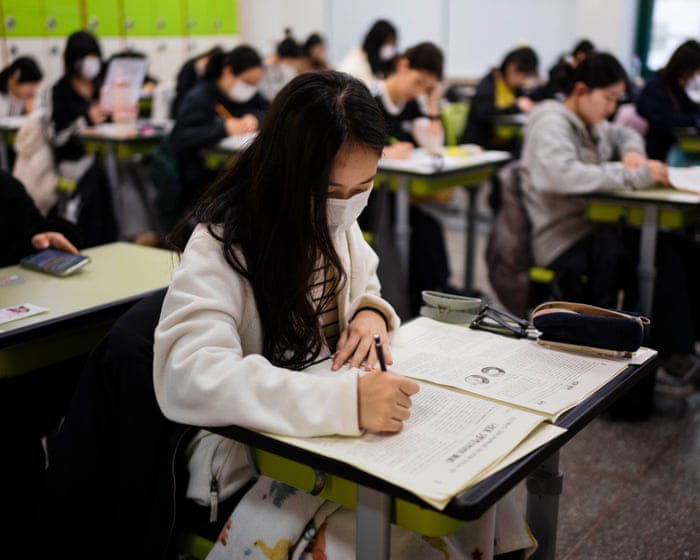
South Korea's Education Minister Quits After AI Cheating Scandal Rattles Nation's Biggest Exam
South Korea's education minister Choi Kyo-jin resigned after an AI-assisted cheating scandal prompted a frantic crackdown before the national university entrance exam. Officials flagged 111 device-related misconduct cases on exam day.

Russian cargo ship hit by suspected drone drifts into Finnish waters in the Baltic
A Russian cargo ship bound for Kaliningrad caught fire after a suspected Ukrainian drone attack and drifted into Finnish waters, prompting Finland to impose temporary air and sea restrictions as the crew evacuated.

Saudi Arabia Downs Houthi Drone and Missile as Sanaa Fuel Station Reportedly Hit
Saudi Arabia says it shot down a Houthi drone aimed at Riyadh and a missile aimed at its Red Sea coast, while Houthi media report six wounded in a strike on a Sanaa fuel station.