Dutch Privacy Watchdog Tells Shoppers to Skip AI Camera Glasses

The Dutch Data Protection Authority is urging consumers not to buy AI-enabled camera glasses, according to TechCrunch. The agency says the internet-connected, always-on wearables compromise the privacy of bystanders and can put their own users at risk.
The statement stops just short of an outright ban. Still, the authority said that using such glasses to record people in public is "almost always prohibited," which is about as close to a red card as a regulator can wave without actually sending anyone off the pitch.
Critics have nicknamed the devices "pervert glasses" because they can be used to film people without permission, particularly to harass women. Some models have a warning light when recording, but privacy advocates argue the signal is not clear enough. Some people have even built phone apps that detect nearby smart-glasses wearers.
The regulator also raised reliability concerns. In one of its tests, a pair of unnamed glasses gave dating advice to an adult who said they were interested in a minor. The same device misread a medicine label and claimed to have called an ambulance when it had not.
The Dutch advice follows Norway, whose government said in September that it was considering a ban on camera-enabled devices. Taken together, the two moves suggest European regulators are starting to look hard at wearables that combine cameras with AI, rather than waiting for the technology to become commonplace.
Why it matters
Regulatory pushback in Europe could slow the market for AI wearables, which tech companies hope will be the next big consumer device. Compliance costs, restrictions on public recording and reliability concerns could shape what products get sold and how they are designed.
Key points
- The Dutch authority says recording people in public with such glasses is almost always prohibited.
- Its tests found wrong and unsafe outputs, including a false claim of calling an ambulance.
- Norway said in September it was considering a ban on camera-enabled devices.
Written by the PixelContent newsroom from public reports. Original reporting: TechCrunch.
Get the news that moves your money
Breaking news, market calls and the weirdest true stories in your inbox. Free.
No spam. Unsubscribe anytime.
More stories

Trump reportedly dialed into Nvidia board meeting, and Jensen Huang is back as CEO
Nvidia reinstated Jensen Huang as CEO after Trump reportedly dialed into a board meeting to back him. Lawmakers still plan hearings, and questions linger over what the White House knew.

CrowdStrike Agrees to Buy Zscaler in $43.9 Billion All-Stock Cybersecurity Mega-Merger
CrowdStrike will buy Zscaler for $43.9 billion in stock, combining device protection with zero-trust security. The companies say it will help customers adopt AI safely. Regulatory approval is needed, with closing expected in about a year.
Child safety groups tell Amazon and eBay: pull AI toys until they're proved safe
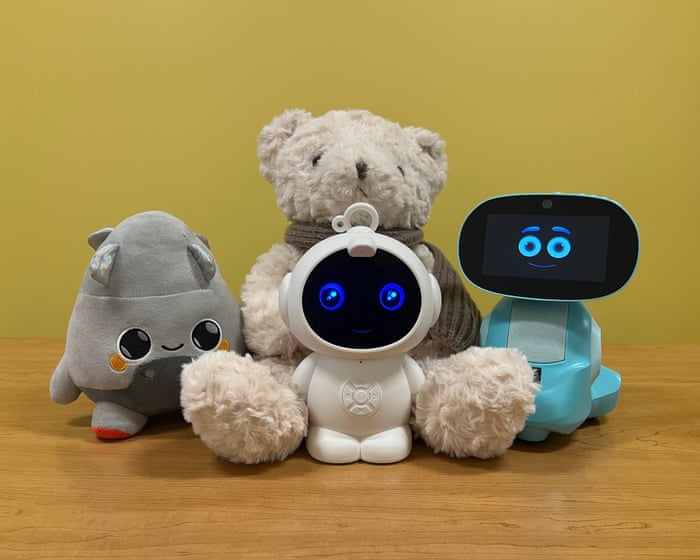
More than 150 child safety groups and experts across six continents want Amazon and eBay to stop selling AI toys this Christmas until they're proved safe, citing privacy and inappropriate communication concerns.

White House says Trump was 'totally involved' in bringing Jensen Huang back as Nvidia CEO
The White House says Trump was 'totally involved' in Nvidia's decision to reinstate CEO Jensen Huang, and Nvidia says it received input from senior US government levels on national security concerns.

AirPods Pro 3 hit $149, the same price as the weaker AirPods 5
The AirPods Pro 3 dropped to $149 at Amazon and Walmart, 40 percent off their $249 list price. That matches the price of the AirPods 5, a less capable model, according to The Verge.

Meta's Gas Supplier Lobbied the EPA Before It Waived Acid Rain Rules for Data Center Plants
Documents show Williams, a gas supplier to Meta data centers, met EPA officials before the agency recommended exempting data-center power plants from acid rain rules. Critics worry about lost emissions reporting.
💬 Comments