Republicans Hold Midterm Autopsy, and Everyone Has a Different Cause of Death

Republicans are arguing among themselves over why they suffered what The New York Times describes as wipeout midterm defeats, and over whether President Trump deserves the blame, according to the paper's reporting published November 22, 2026.
The Times says a divide is emerging inside the party over what went wrong. The material available does not spell out the factions, the specific races or the vote totals, so the details of each side's argument remain thin for now.
What the report does make clear is the stakes. The argument over the cause of the losses is expected to foreshadow a larger fight over how the party moves forward before the 2028 presidential election.
That is a familiar pattern in American politics. After a bad election, parties tend to split between those who say the message was wrong, those who say the messenger was wrong and those who say the voters simply weren't mobilized. Each diagnosis points to a different prescription, and each tends to favor whoever is offering it.
The question of Trump's role is especially charged. As the party's dominant figure, he shapes its candidates, its agenda and its fundraising, so any conclusion that he was a drag on results would carry real consequences for how Republicans position themselves in the next presidential cycle.
For now, the debate is still taking shape. Expect it to sharpen as the party sorts through the results and potential 2028 contenders begin deciding how closely to stand beside, or step away from, the president.
Why it matters
A party's post-defeat strategy shapes policy priorities, from taxes and trade to regulation, which can move markets. A fight over Trump's influence also affects how predictable Republican governance and the 2028 race will look to investors and businesses.
Key points
- Republicans are divided over why they lost the midterms by wide margins, per The New York Times.
- A central question is whether Trump is to blame.
- The dispute foreshadows a larger battle over the party's direction before 2028.
Written by the PixelContent newsroom from public reports. Original reporting: The New York Times.
More stories

House Democrats Torn: Defund the Iran War Now or Wait Until They Hold the Purse Strings?
House Democrats are split on whether to demand an end to Iran war funding in the lame-duck session, risking a shutdown, or to wait until they control Congress next year, The Hill reports.
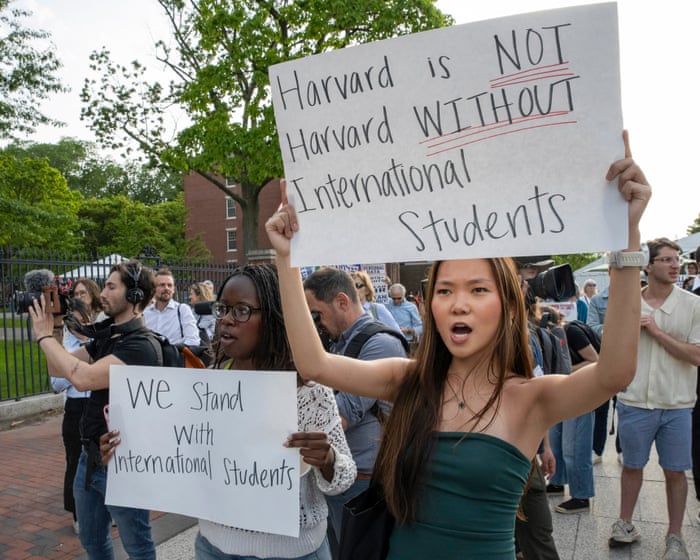
Foreign students are skipping US campuses, and colleges are footing a multimillion-dollar bill
New international student enrollment in the US fell 15% this fall after an 18% drop last year, costing colleges millions as visa limits and enforcement worry applicants. The Department of Homeland Security disputes the framing.

Intelligence chief says Putin is 'not America's friend in Ukraine,' even if Trump calls him one
Director of National Intelligence Jay Clayton defended Trump calling Putin a 'friend' but said Putin is 'not America's friend in Ukraine,' separating personal rapport from the US-Russia relationship, The Hill reports.

Intelligence chief Clayton tells Americans to expect 'bumps in the road' as aging systems get upgrades
Director of National Intelligence Jay Clayton said Americans should prepare for upgrades to aging infrastructure and systems, warning of 'bumps in the road' amid a recent run of outages, The Hill reported.

Intel Chief Clayton Says He Trusts Trump 'Completely' Despite Putin 'Friend' Remark
Director of National Intelligence Jay Clayton told CNN he trusts President Trump "completely" after Trump called Vladimir Putin a friend, according to The Hill.

Congress Heads Home for Turkey Break as Leadership Fights Heat Up and Clayton Praises Trump's Talks
Congress left for Thanksgiving recess after a busy week of bills and confirmations, with leadership fights growing as Democrats prepare to take both chambers, The Hill reports. Clayton praised Trump's trilateral talks.